Last updated November 25, 2026
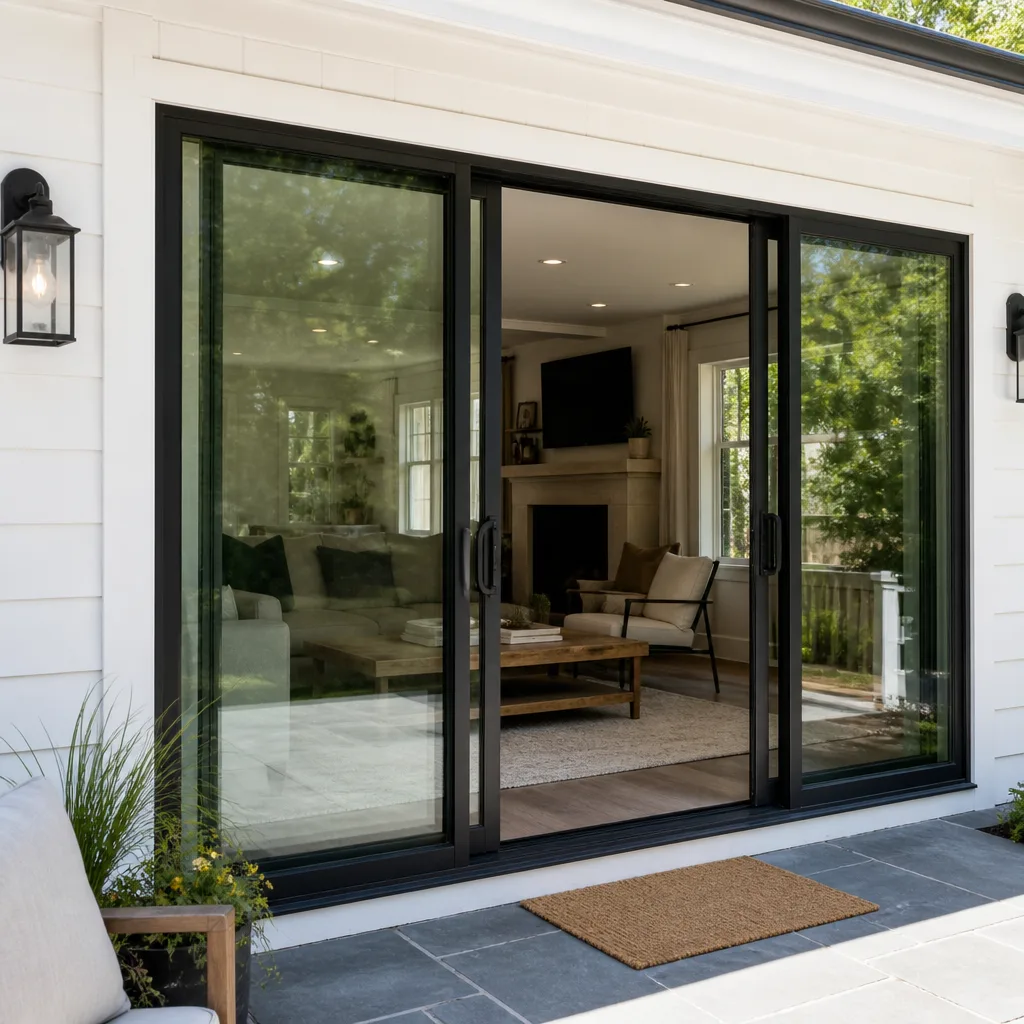 Sliding glass doors
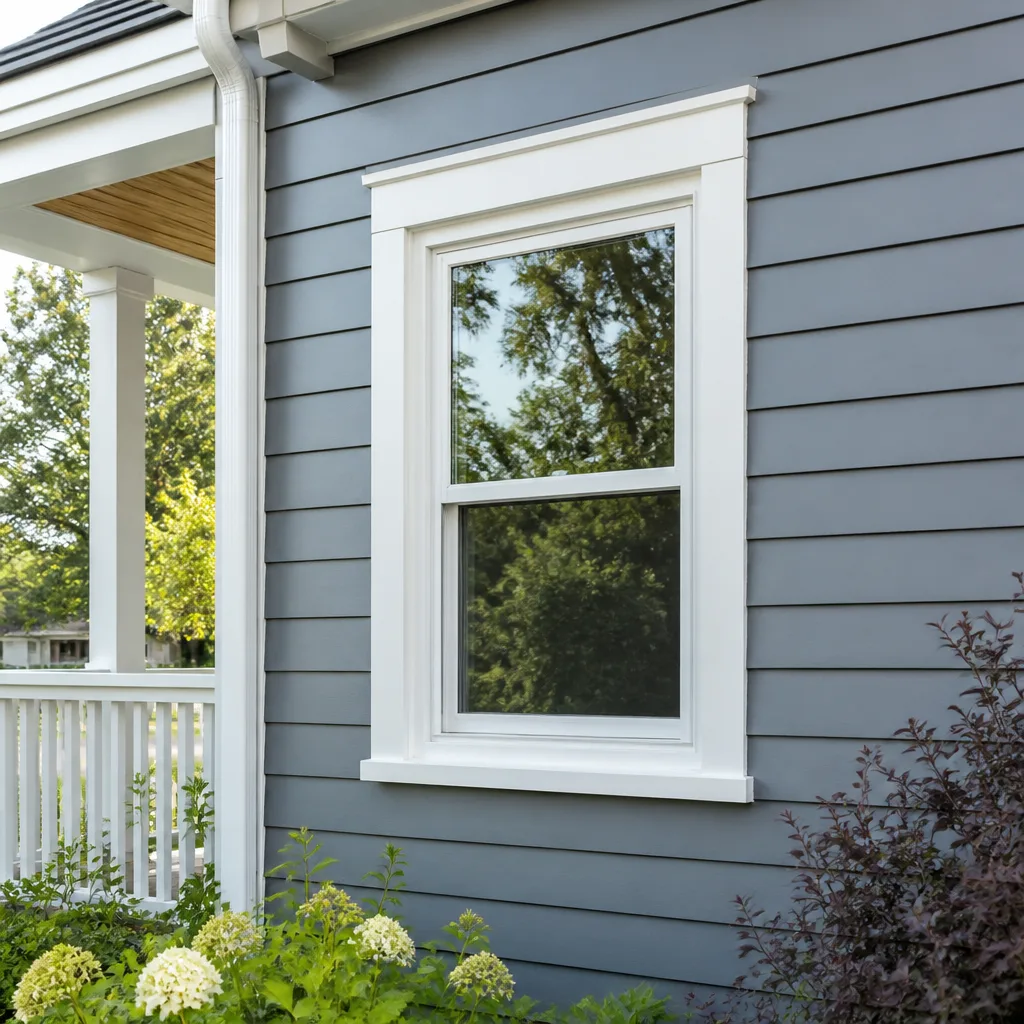 Single hung
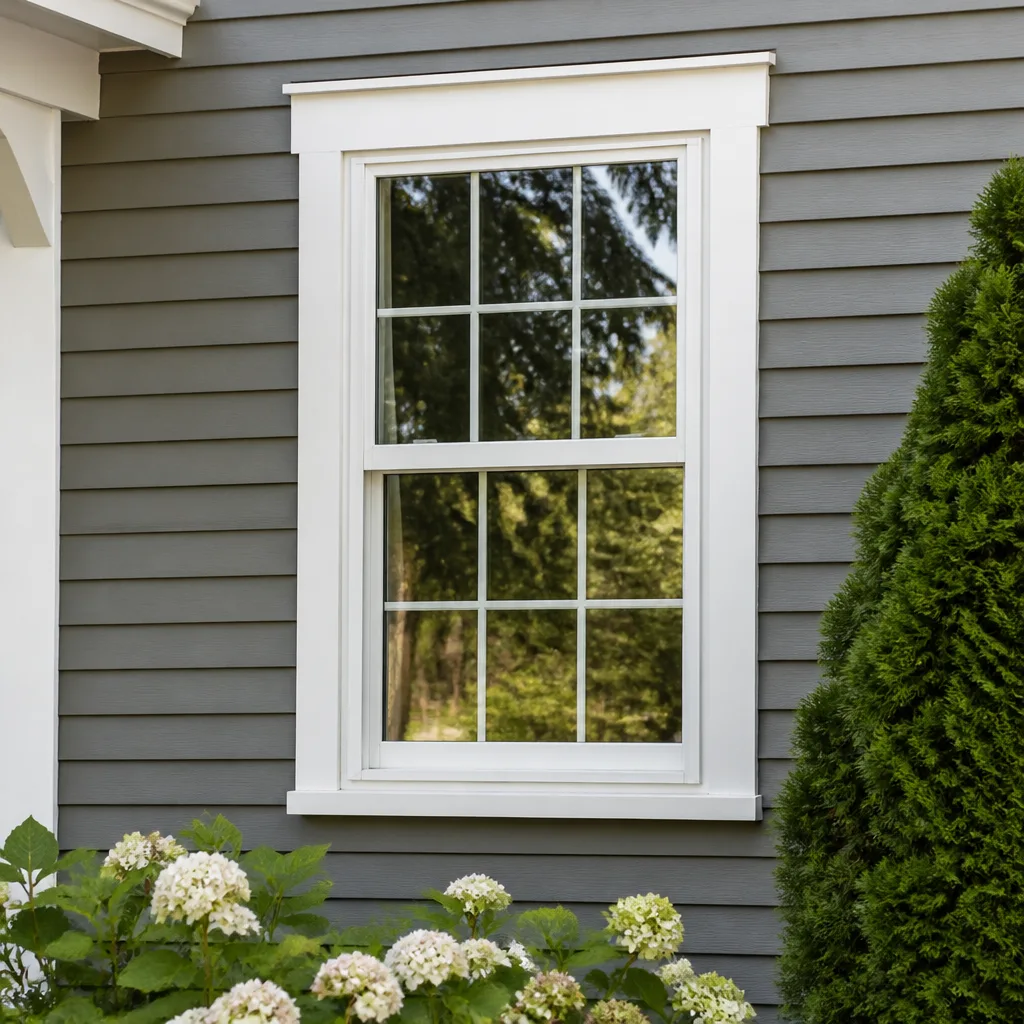 Double hung
 Horizontal roller
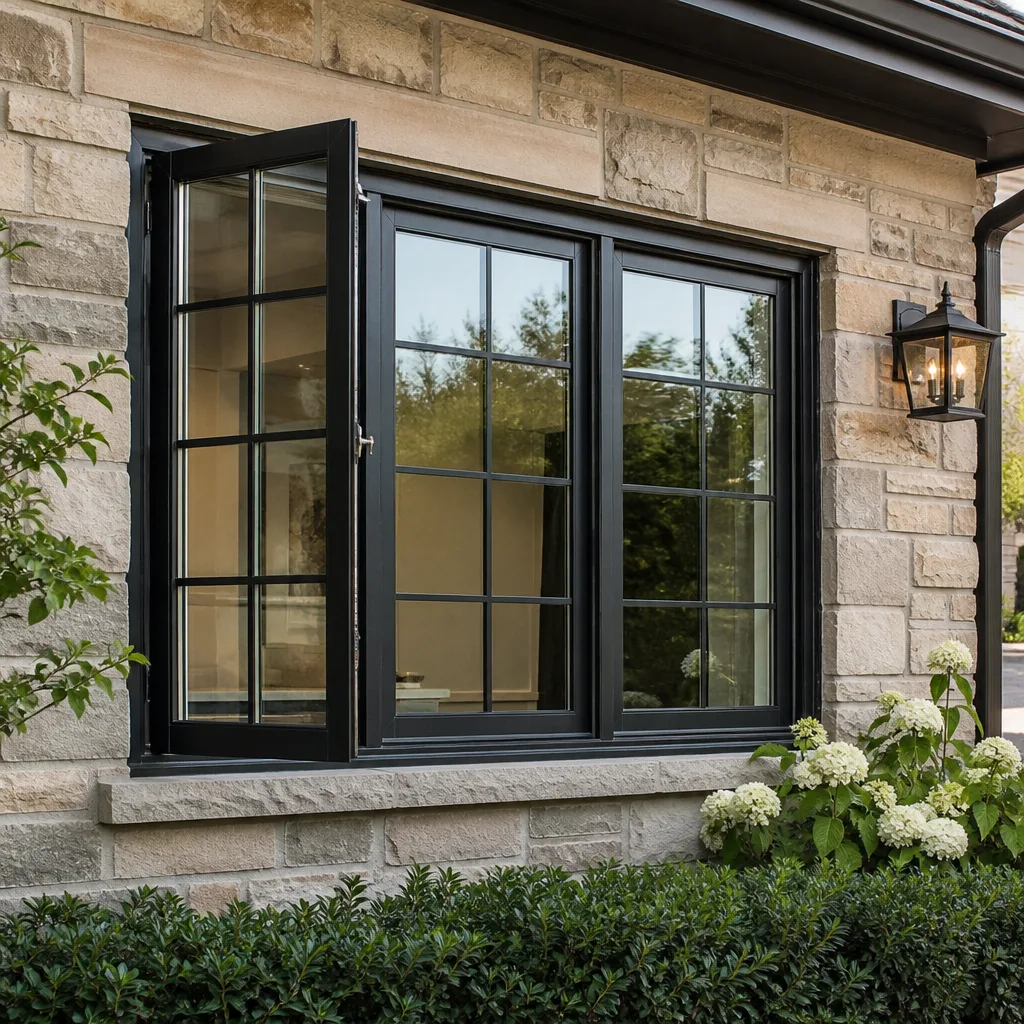 Casement
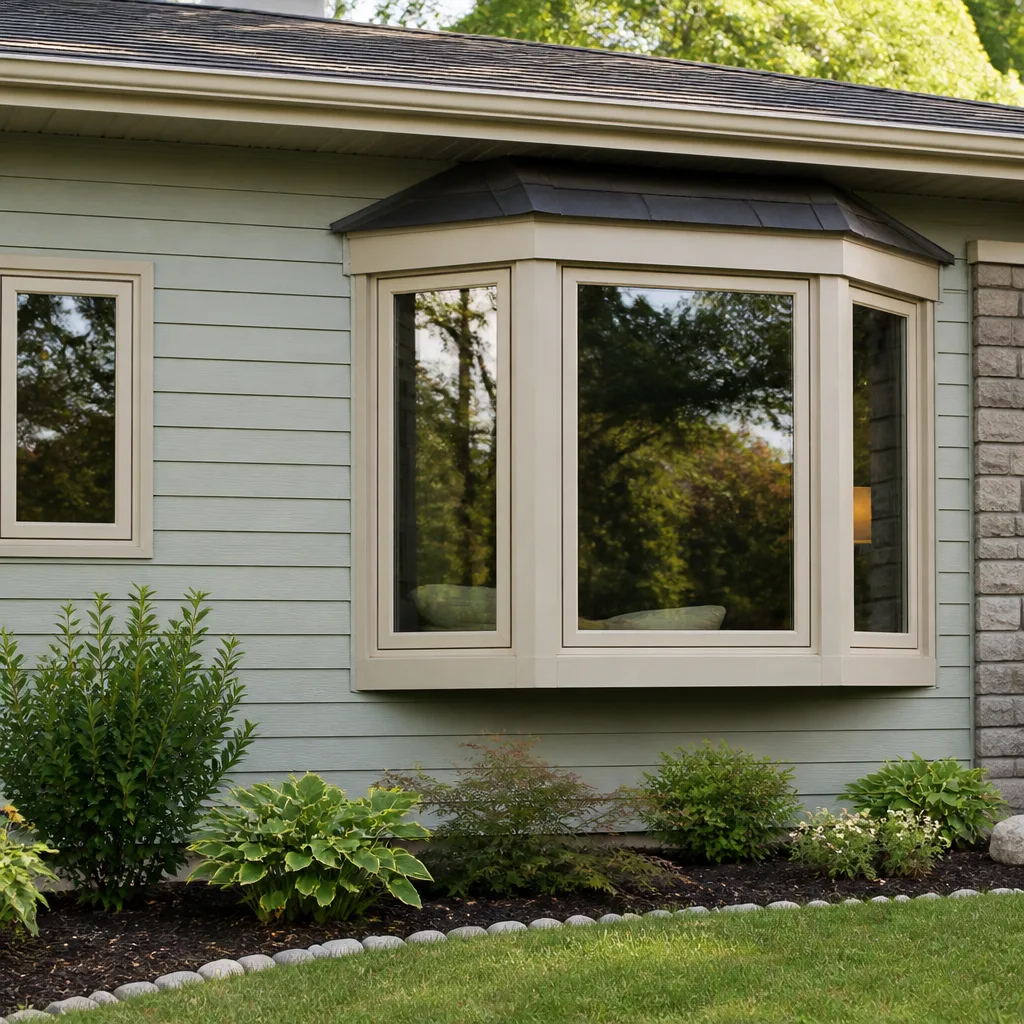 Bay & bow
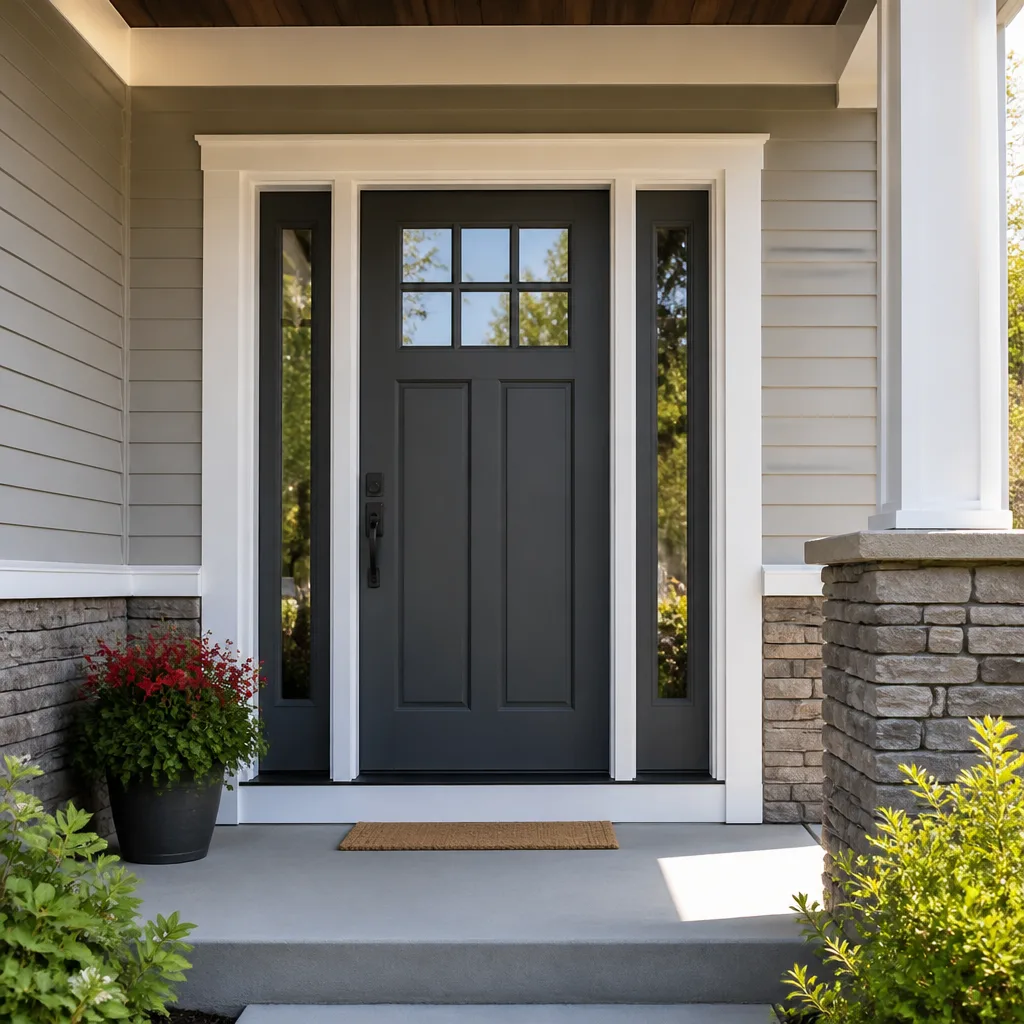 Entry doors
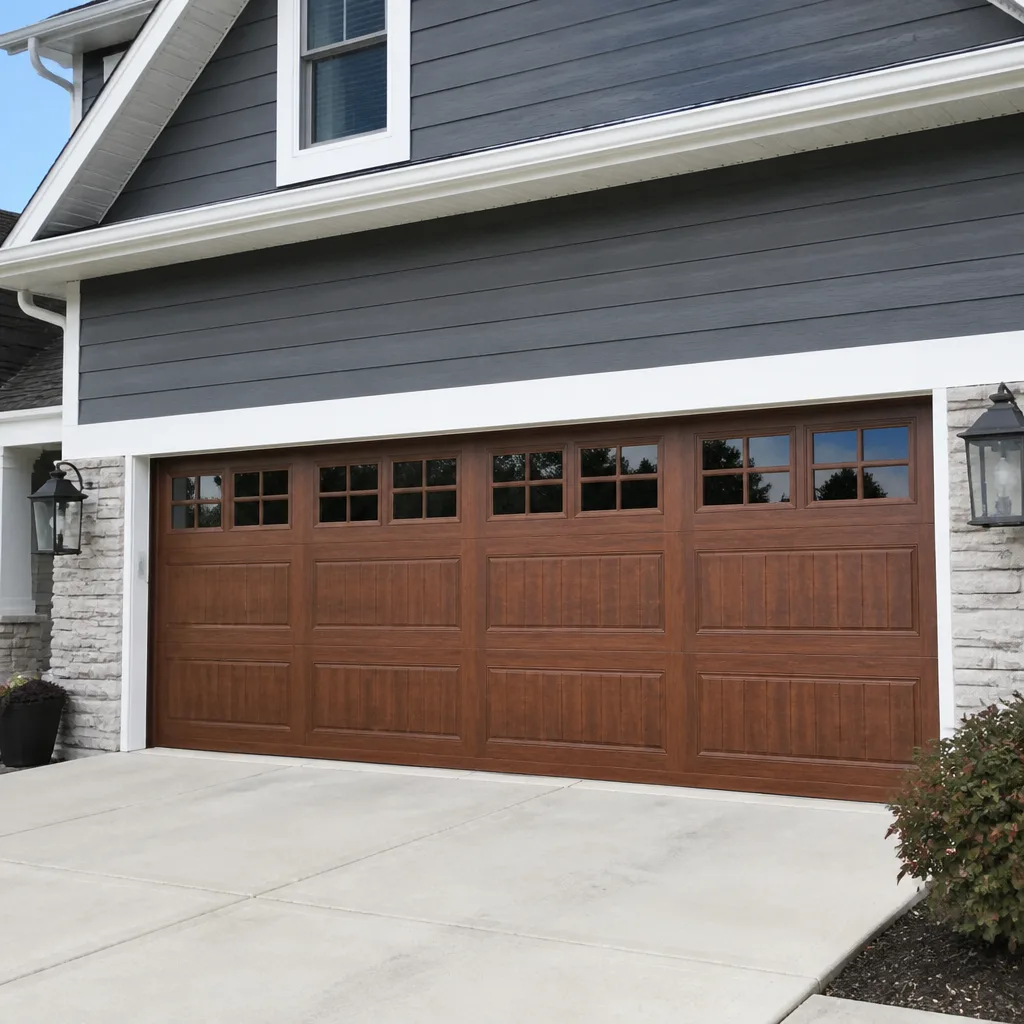 Impact garage doors
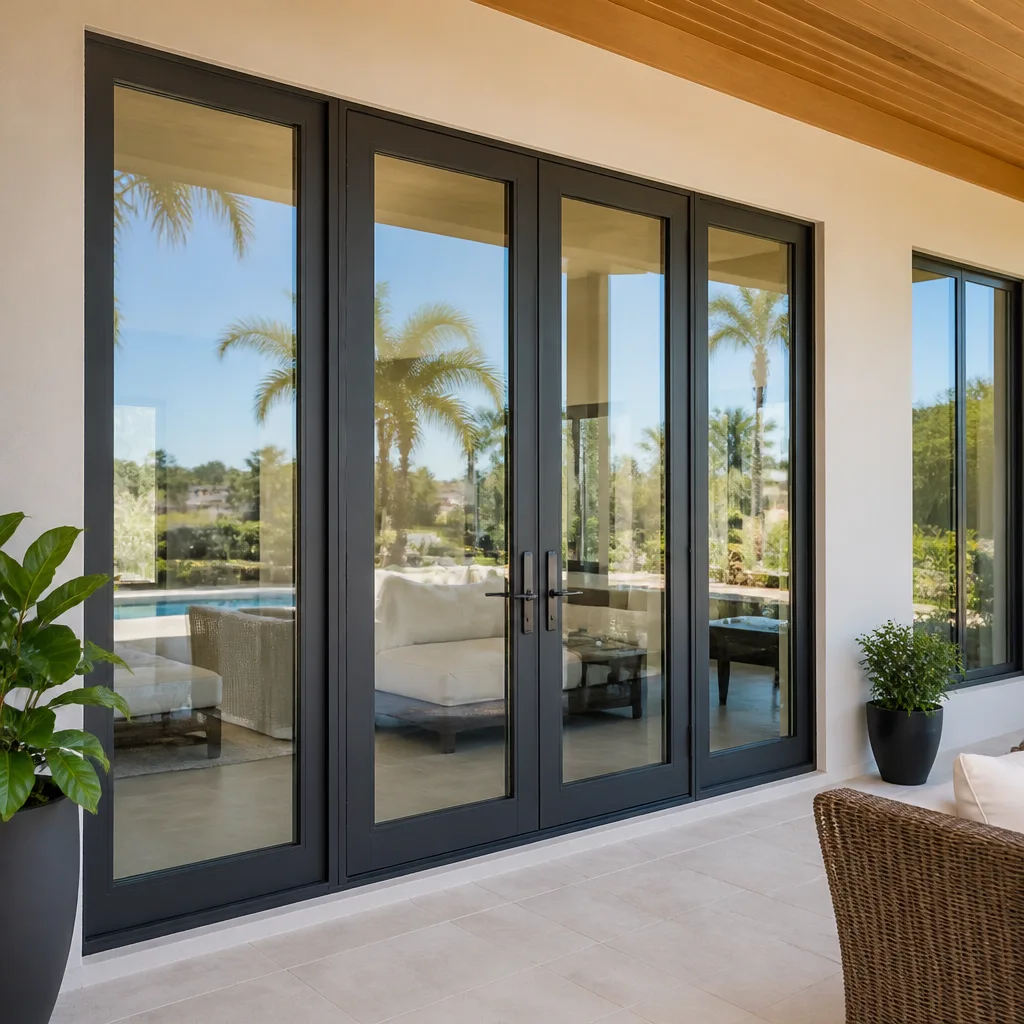 PGT
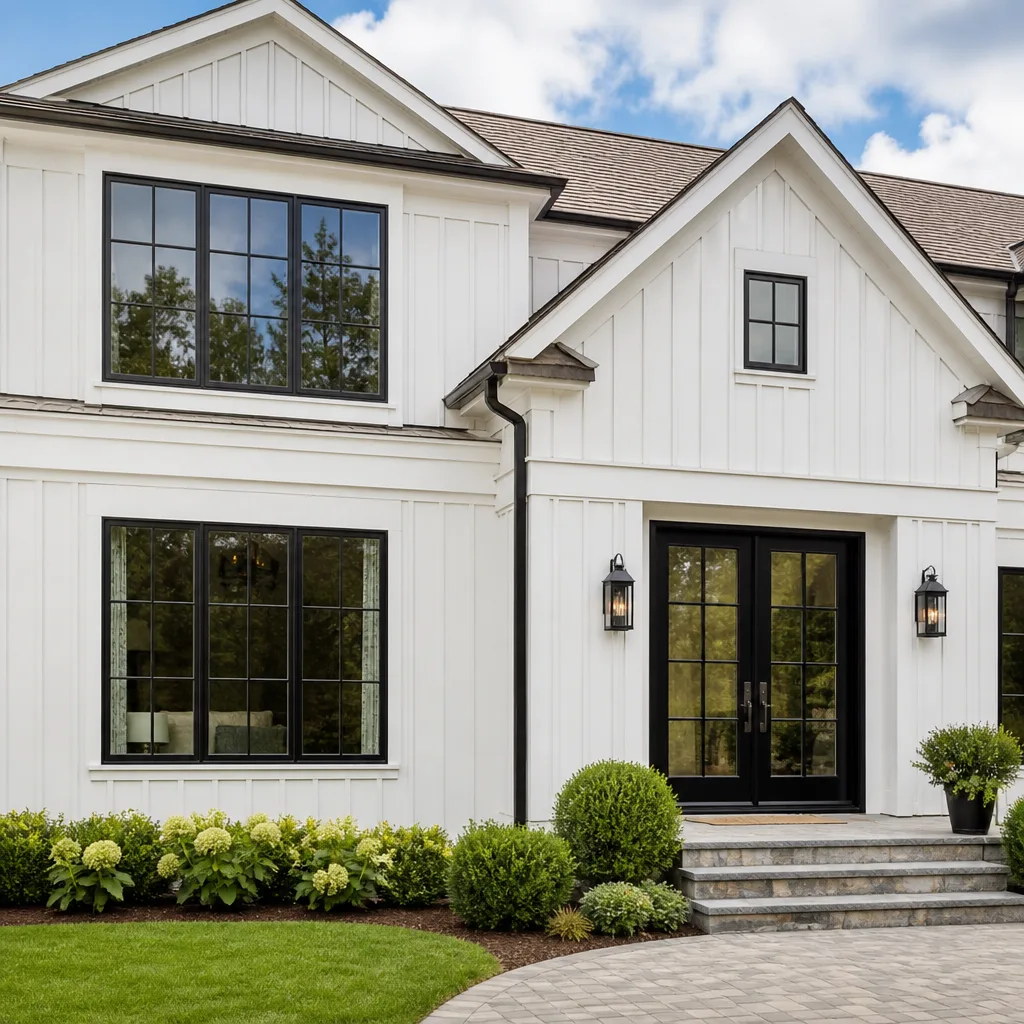 CGI
Free in-home measure and quote - PGT, CGI and CWS impact lines compared on your actual openings, style by style
Get your free estimateHow to Hire a Windows & Doors Contractor in Folsom: A Step-by-Step Guide
California’s CSLB database will tell you a license is active. It won’t tell you whether the person quoting your windows has ever pulled a window permit in Sacramento County, or whether they’re certified to install the brand printed on the estimate. Most Folsom homeowners walk into the first conversation assuming those things come bundled with a state license. They don’t. This guide breaks the vetting down into concrete steps you can run in an afternoon: license class, brand certification, quote red flags, crew structure, payment schedule. By the end you’ll know exactly what to ask and which answers should make you hesitate.
Quick Answer
To hire a windows and doors contractor in Folsom, verify four things before you sign: an active CSLB license in the right classification (C-17 for glazing, or a B general building license for whole-project work), installer certification for the specific brand being quoted, a written line-item quote that includes U-factor ratings and a permit line, and a payment schedule that never asks for full payment up front. Skip any one of those and the cheaper bid usually stops being cheaper.
Styles & brands we work with
- Single hung
- Double hung
- Horizontal roller
- Casement
- Bay & bow
- Sliding glass doors
- Entry doors
- Impact garage doors
- PGT
- CGI
Table of Contents
- Which License Do You Actually Need?
- How to Verify Brand Certification
- Reading the Quote Document
- In-House Crews vs. Subcontractors
- Structuring a Payment Schedule
- Permits and Inspections in Folsom
- Common Mistakes to Avoid
- When to Call a Professional
Which License Do You Actually Need?
Start with the CSLB classification. California licenses contractors at a level of granularity that matters here. Window and door installation sits mostly under the C-17 Glazing classification, which covers the installation of glass and glazing products: windows, window frames, doors, and mirror work. A contractor holding only a B General Building license can legally take your whole project as prime contractor, but B licenses contractors generally, not window-specific work. That distinction isn’t cosmetic. The CSLB database shows you which classification a contractor holds, whether it’s active, and whether there are complaints or disciplinary actions on record. Pull the record before the first estimate.
Here’s what to check on the CSLB lookup:
- Active license status and expiration date.
- Classification code (C-17, B, or both).
- Trade name match – the name on the license should match the name on your contract.
- Complaint history and any disciplinary disclosure.
- Workers’ compensation coverage for anyone on the jobsite.
The general rule: for window-only replacement work, a C-17 is the tightest fit. For a project that includes significant carpentry, drywall repair, or structural changes adjacent to the opening, a B license working alongside a glazing subcontractor is normal. What should make you pause is a contractor holding a roofing, siding, or landscaping classification quoting you window replacement as if it’s overflow work. That’s the pattern behind most complaints we hear about.
How to Verify Brand Certification (Therma-Tru, PGT, and Why It Matters for Your Warranty)
Brand certification is separate from licensing, and it affects your product warranty more than the state license does. Major manufacturers like Therma-Tru and PGT maintain installer programs. When you buy a Therma-Tru entry door through a certified installer, the manufacturer’s product warranty typically extends farther than it does through a non-certified seller, and installation-dependent clauses are far less arguable. Ask which certification the contractor holds for the exact brand on your quote, then ask for the certificate or program confirmation. A contractor who can’t produce it should move down your list.
Our brand access runs across a curated roster that includes ES Windows, ECO Window Systems, Mr-Glass, and Therma-Tru. That range means we can match the product to the problem instead of steering you toward whichever brand we happen to stock. A homeowner who wants energy efficiency first lands in one category; a homeowner who needs impact-rated performance lands in another. If you’re working with a general remodeler and he’s offering you three brands, ask him which of those he’s actually certified for. Often the answer changes the call.
For quick reference, here’s what to ask about certification:
- Which brands are you certified to install?
- Can you show the certificate or program confirmation?
- Does the install come with the manufacturer’s extended warranty?
- Which product line is that extended warranty tied to?
Reading the Quote Document: What Every Line Should Say
A written line-item quote tells you almost everything. Missing items tell you even more. Every window and door specification should include the U-factor (a measure of heat transfer; lower is better in Folsom’s hot summers), the SHGC if solar exposure matters, the glass build, and a note on whether impact ratings apply. If a quote gives you a lump sum with “installation included” and no product specs, put it down. That’s a quote you can’t compare to anything.
Check the document for these:
- Product line and model number for each opening.
- U-factor and SHGC for each window or door specified.
- Glass build (single, dual-pane, Low-E coating, argon fill).
- Frame material (vinyl, aluminum, wood, composite).
- Permit line item with the estimated fee listed separately.
- Labor warranty term – anything under two years is a red flag.
- Timeline for product lead time and installation window.
Two specific numbers to scrutinize in Folsom: the U-factor and the labor warranty term. Folsom summers push into high triple digits regularly, and a low-quality glass build that looks fine on paper performs badly in August. That’s where the U-factor matters. On the labor warranty side, anything under two years on an installation worth several thousand dollars bets heavily on the assumption that nothing will go wrong. A competent specialty installer guarantees the installation for at least a couple of years, separate from whatever the product warranty covers.
If you want the full product lines laid out before you start comparing quotes, our Window Replacement Folsom page lays out the product categories with the specs attached.
In-House Crews vs. Subcontractors: Why It Matters on Multi-Unit Folsom Homes
Ask the question directly: “Will the crew that shows up at my house be your W-2 employees, or subcontractors?” You’re listening for an honest, specific answer. Some contractors use a mix, and that’s not automatically disqualifying. What matters is that they tell you, and that the same crew handles the same job. When multiple openings are involved (typical on the larger Folsom homes, especially anything built in the 1990s or 2000s with a dozen or more windows), consistency reduces the chance that one window ends up shimmed properly while another doesn’t get inspected at all.
Follow-up questions that reveal the structure:
- Are the installers employees or subcontractors?
- Will the same crew that measures also install?
- Who is my day-to-day point of contact?
- If a window is sized wrong, who eats the cost?
- Has the crew installed your exact product line before?
On multi-unit installs, mismatched crews create a specific problem: inconsistent flashing and sealing. Folsom’s summer heat spikes mean a water-intrusion defect shows up slowly, often in the fall or winter before it becomes obvious. You want the same hands on every opening in the house. Subcontracted crews aren’t automatically worse, but the accountability chain is longer, and on a 15-window job that matters.
Structuring a Payment Schedule That Protects You
California law caps upfront deposits for home improvement contracts, and any honest contractor expects to work within those limits. A schedule that asks for more than a modest deposit before work starts, or demands full payment before materials are delivered, is a schedule to decline. The right structure protects you against two specific risks in Folsom: product lead times that can shift on impact-rated and premium door lines, and permit delays that push your install window into summer peak, when contractor calendars fill and a late product delivery can leave you exposed mid-project.
A schedule that keeps you protected usually looks like this:
- Small deposit at contract signing – just enough to cover the material order commitment.
- Second payment at material delivery, or when the permit is pulled and inspection scheduled.
- Final payment after installation and final inspection pass – not before.
Ask the contractor to spell out exactly which milestone triggers each payment. If a product lead time slides, you shouldn’t be asked for another check before the product is present. And if the permit is delayed, the schedule should reflect that, not push you into a higher payment before any work is possible. Written schedule, signed, with milestones attached. For a sense of how the scheduling side works across the Folsom market, see our window installation guide and its notes on permit timing.
Permits and Inspections: What Folsom Requires
Most window and door replacements on single-family homes require a permit from the City of Folsom building department, though the exact threshold depends on the scope of work. Like-for-like replacement in the same opening usually has a lighter permit path than enlarging an opening or changing the structural configuration. Ask the contractor to confirm which path applies to your project, and to list the permit fee as a separate line item on the quote. A contractor who says “we don’t need a permit for window replacement” without asking the city is guessing, and the guess shifts risk onto you.
What permit coverage should include:
- The permit application filed under the contractor’s license, not yours.
- The permit fee listed separately from labor.
- A note on required inspections: typically rough-in for new openings, final for all installs.
- The contractor’s responsibility to schedule and pass the inspection.
- A written statement that the contractor will resolve any failed inspection at no additional cost.
Homes in older Folsom neighborhoods around the historic district and the established areas near the American River often present small complications that a generalist isn’t set up for: non-standard opening sizes, aging trim, and the possibility that a prior replacement wasn’t permitted. A specialty contractor accounts for this in the estimate. A generalist discovers it mid-install, which usually means a change order. Confirm the permit posture before you sign, and ask specifically how the contractor handles an unpermitted prior install discovered mid-project.
Common Mistakes to Avoid
- Accepting a B-license bid without asking about window-specific experience. A B license is legal and common, but it doesn’t prove the contractor has pulled window permits in Sacramento County or installed the brand they’re quoting.
- Treating brand certification as a nice-to-have. It isn’t. Certification often changes which manufacturer warranty terms you qualify for, especially on premium door lines.
- Not requiring U-factor and SHGC specs in the written quote. Without those numbers, you’re comparing prices across products you can’t actually evaluate. In Folsom’s heat, a low U-factor matters more than the bid difference.
- Signing a quote with no permit line item. It usually means the permit is either bundled into labor (you can’t verify it was pulled) or forgotten altogether.
- Accepting a labor-only warranty under two years. The product warranty only covers the product. The installation guarantee is what protects you when a sealant fails or flashing leaks.
- Paying more than a small deposit up front. A front-loaded schedule removes your leverage if the crew no-shows or material delivery stalls.
- Hiring a generalist whose main business is roofing or siding. Folsom’s top contractors often have side offerings; when window replacement is a side offering, attention is divided and standards drift.
When to Call a Professional
Call a specialty contractor when you’re facing any of these: windows that have lost their seal (visible fogging between panes), doors that no longer latch or that have swollen frames, a planned replacement of five or more openings, or a project that requires permit work or brand-specific certification. Call us before you sign a generalist’s quote, particularly if you’ve noticed the estimate is missing product specs or a permit line. Window Replacement Folsom offers free estimates in Folsom – call (279) 321-4976. Our technicians have up to 8 years of experience with window and door installation, and we work only in that niche.
See the difference
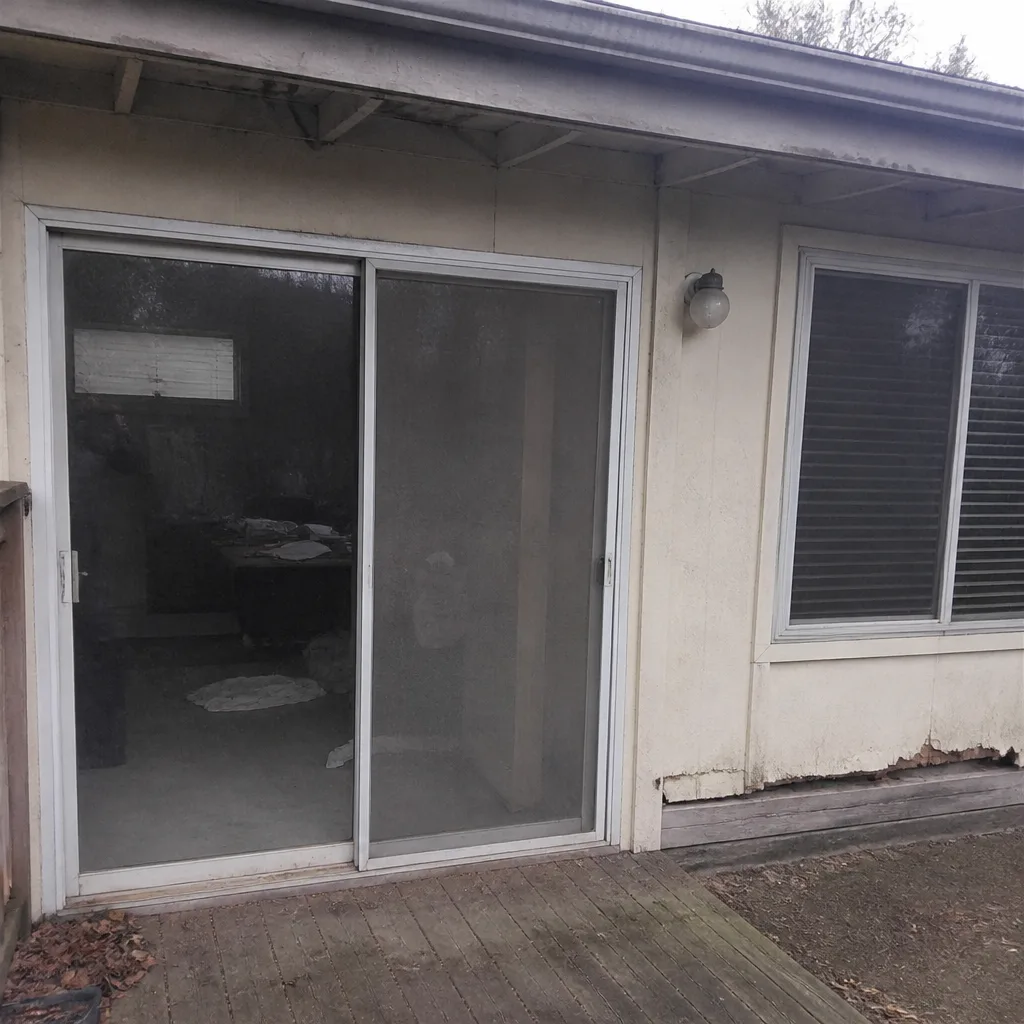 Before
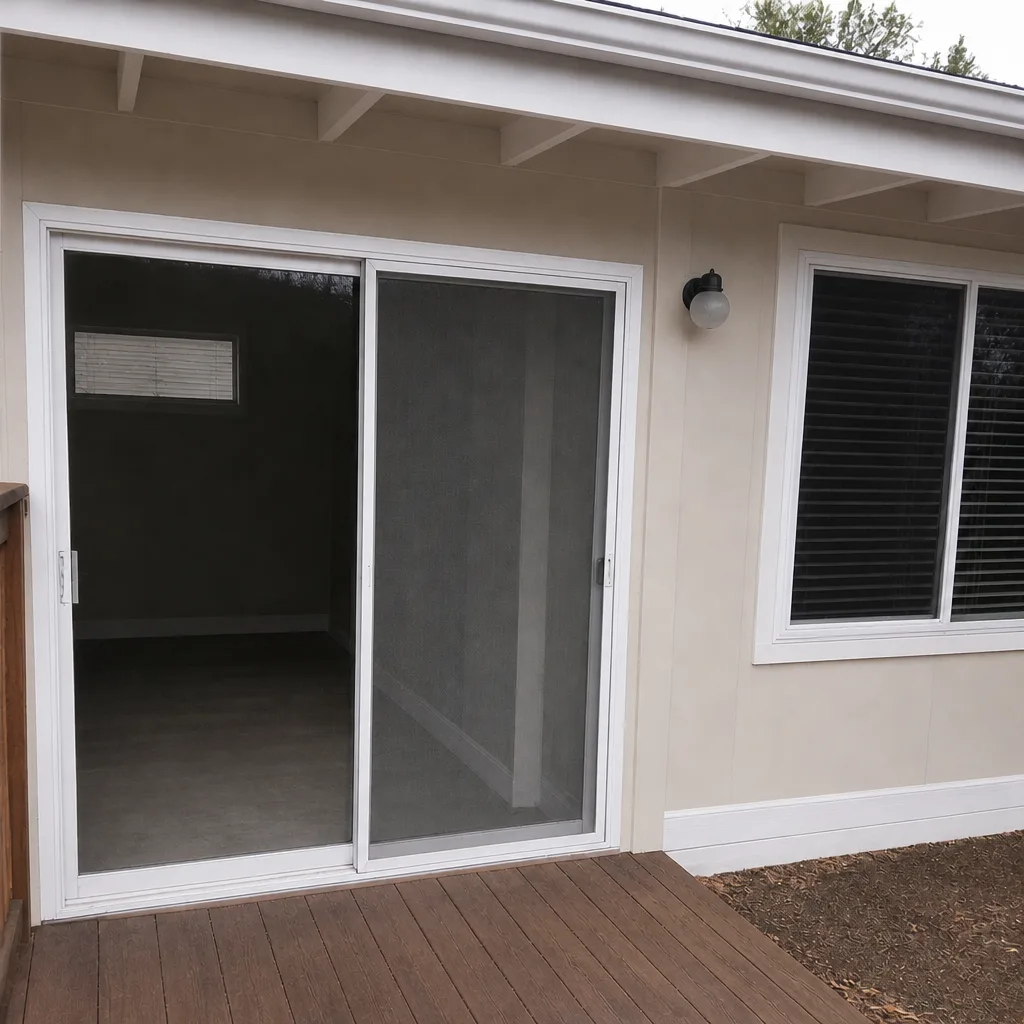 After
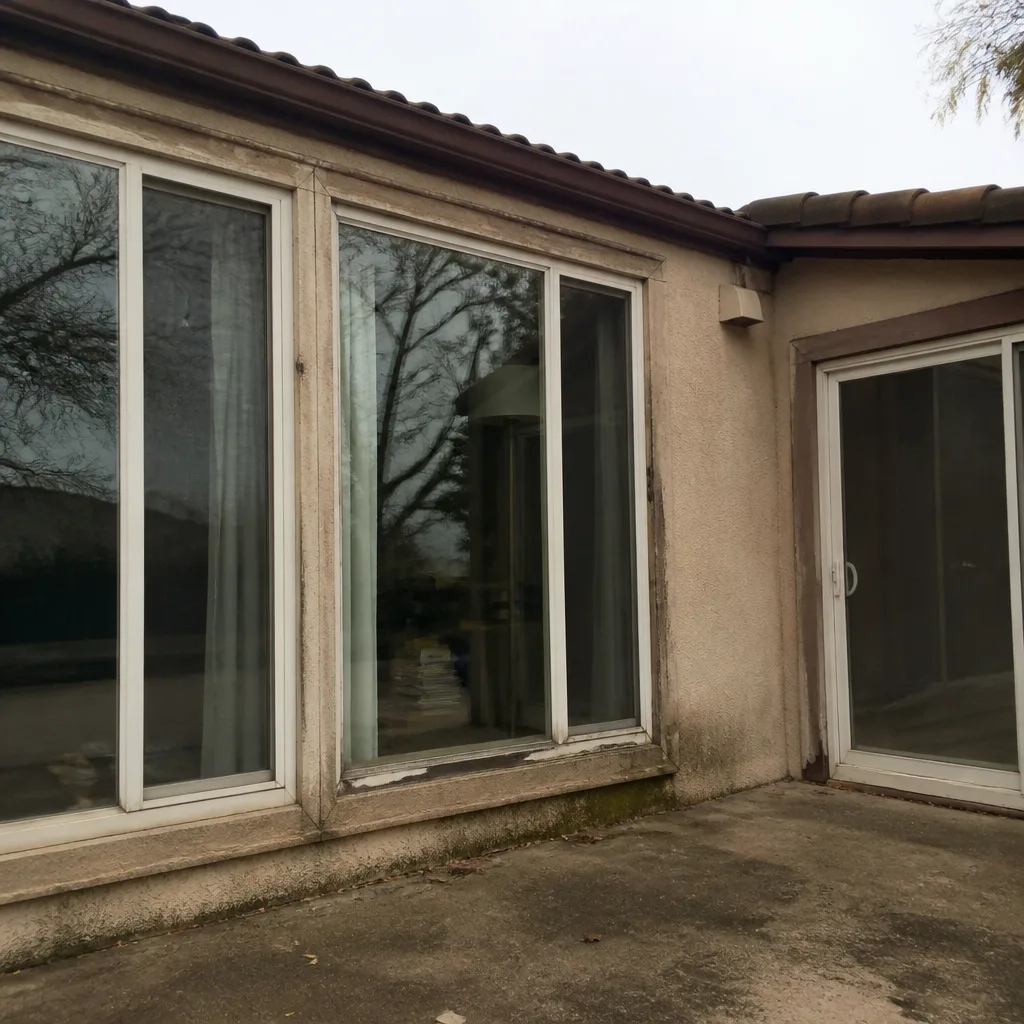 Before
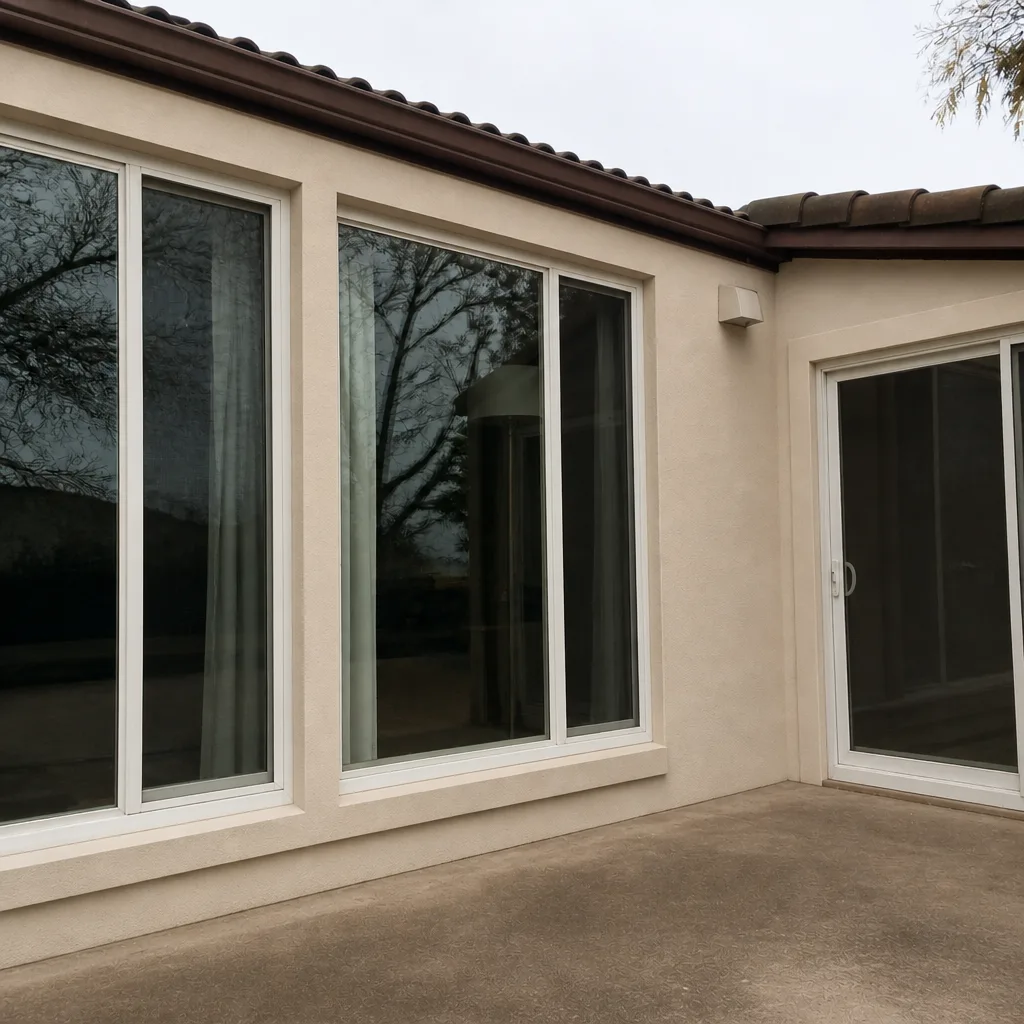 After
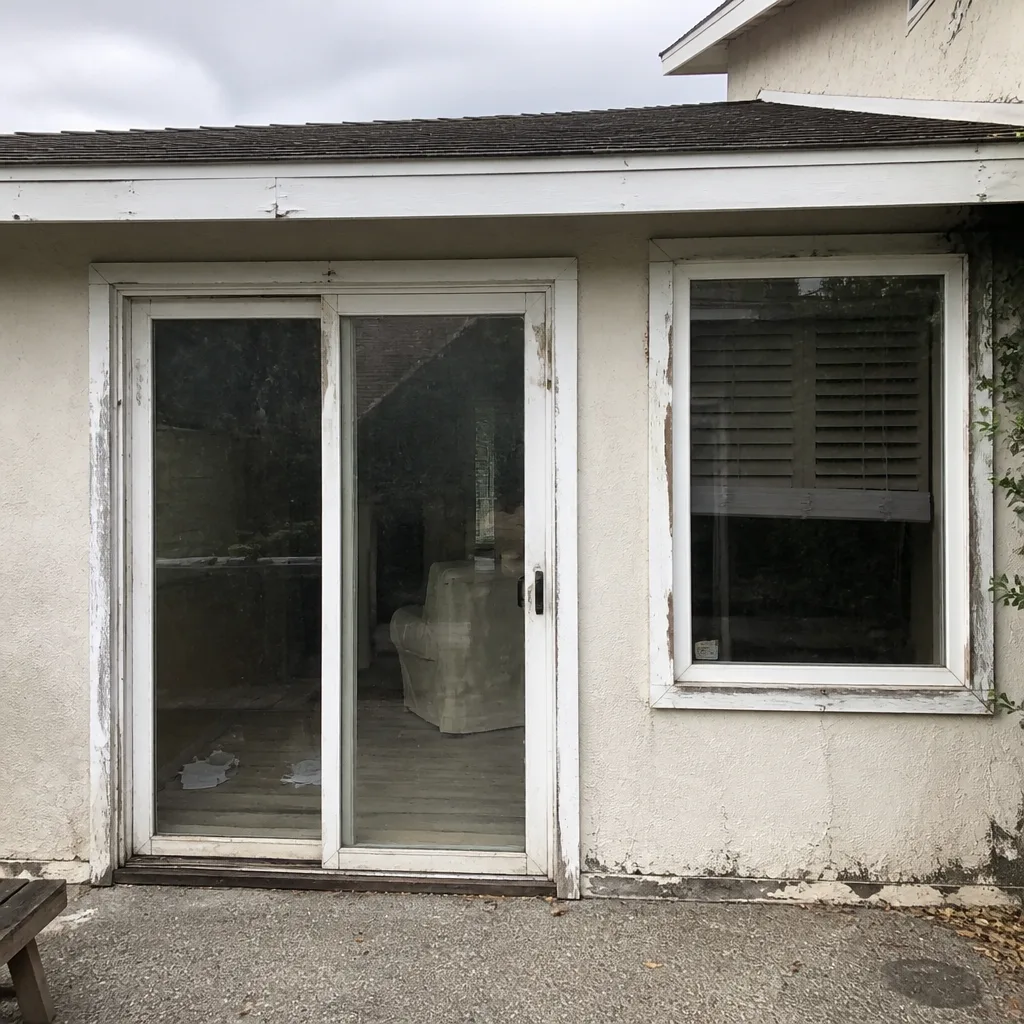 Before
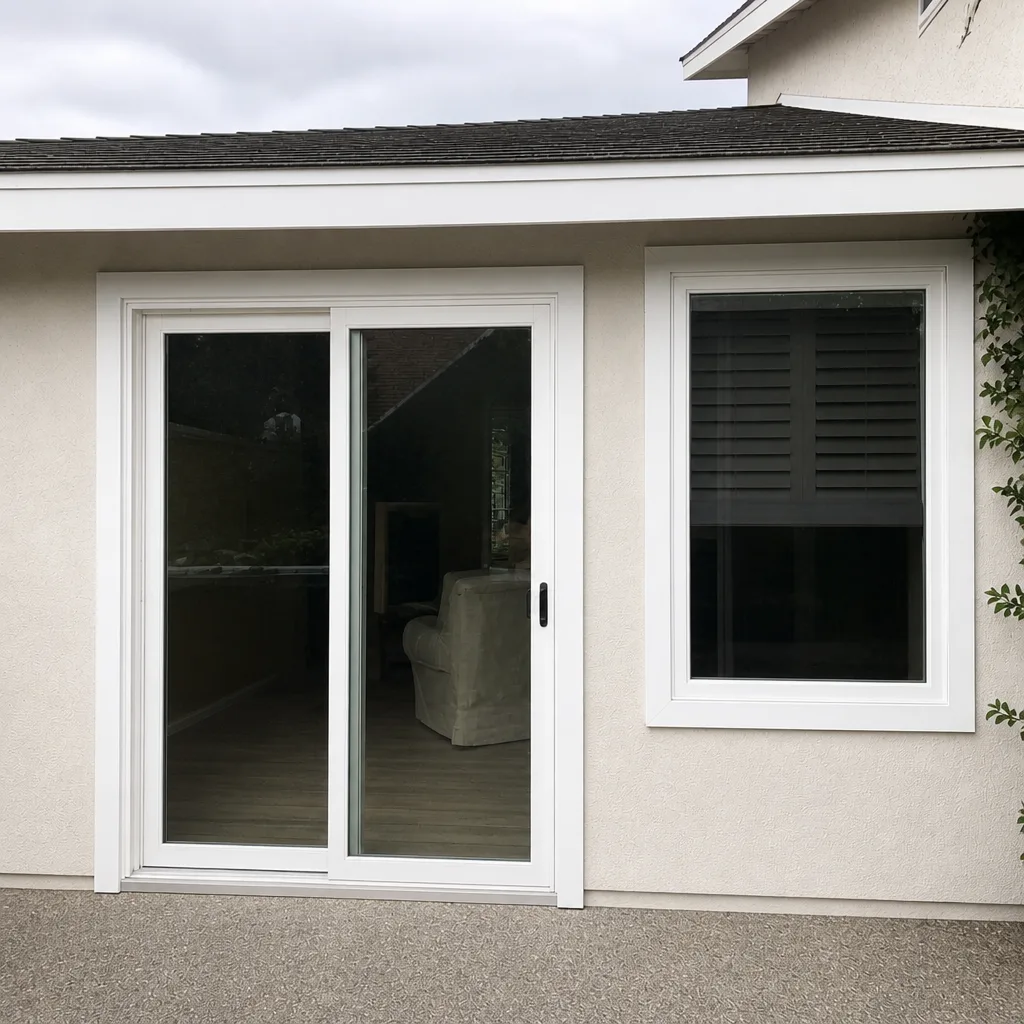 After
Frequently Asked Questions
Costs in Folsom typically run from a few hundred to well over a thousand dollars per opening, depending on size, frame material, glass build, and impact or energy ratings. Entry doors and sliding doors carry different ranges. The written line-item estimate sets the final price – nothing changes after work starts. Call (279) 321-4976 for an exact quote; estimates are free.
The tightest fit for window-only replacement is a C-17 Glazing license. A B General Building license is legal for whole-project work but licenses the contractor generally, not in window-specific glazing. Verify the classification on the CSLB database before signing.
No, if the estimate is written correctly. A qualified specialty contractor locks pricing to a written line-item quote with product specs, permit fees, and labor all itemized. Change orders should only appear if you request a scope change – not because a generalist underestimated material.
Yes. Permit application, scheduling, and inspection are the contractor’s responsibility, not yours. The permit fee should appear as a separate line item on the quote so you can verify it was pulled. Call (279) 321-4976 for a free estimate and a permit line you can see.
Timeline depends on product lead time, permit processing, and how many openings are involved. Standard window lines often install in a few days once materials arrive; premium door lines and impact-rated products may take longer to source. The quote should list both a lead time and an install window.
Yes. We carry impact-rated product lines that meet strict wind and impact standards. If impact resistance is your priority, we quote from our impact-rated roster first rather than steering you toward standard product. Call (279) 321-4976 to price the impact-rated options against your target specs.
The Bottom Line
Hiring a windows and doors contractor in Folsom comes down to four verifications: CSLB classification for window-specific work, brand certification for the product being quoted, a written line-item quote with U-factor specs and a permit line, and a payment schedule that never front-loads. Skip any of them and the cheap bid stops being cheap. If you want to see how a specialist handles the full scope – from window replacement through door replacement – call (279) 321-4976 for a free estimate. Eight trusted brands, one specialist installer, and a written quote you can actually read.
Written by the team at Window Replacement Folsom.