Last updated November 25, 2026
 Sliding glass doors
 Single hung
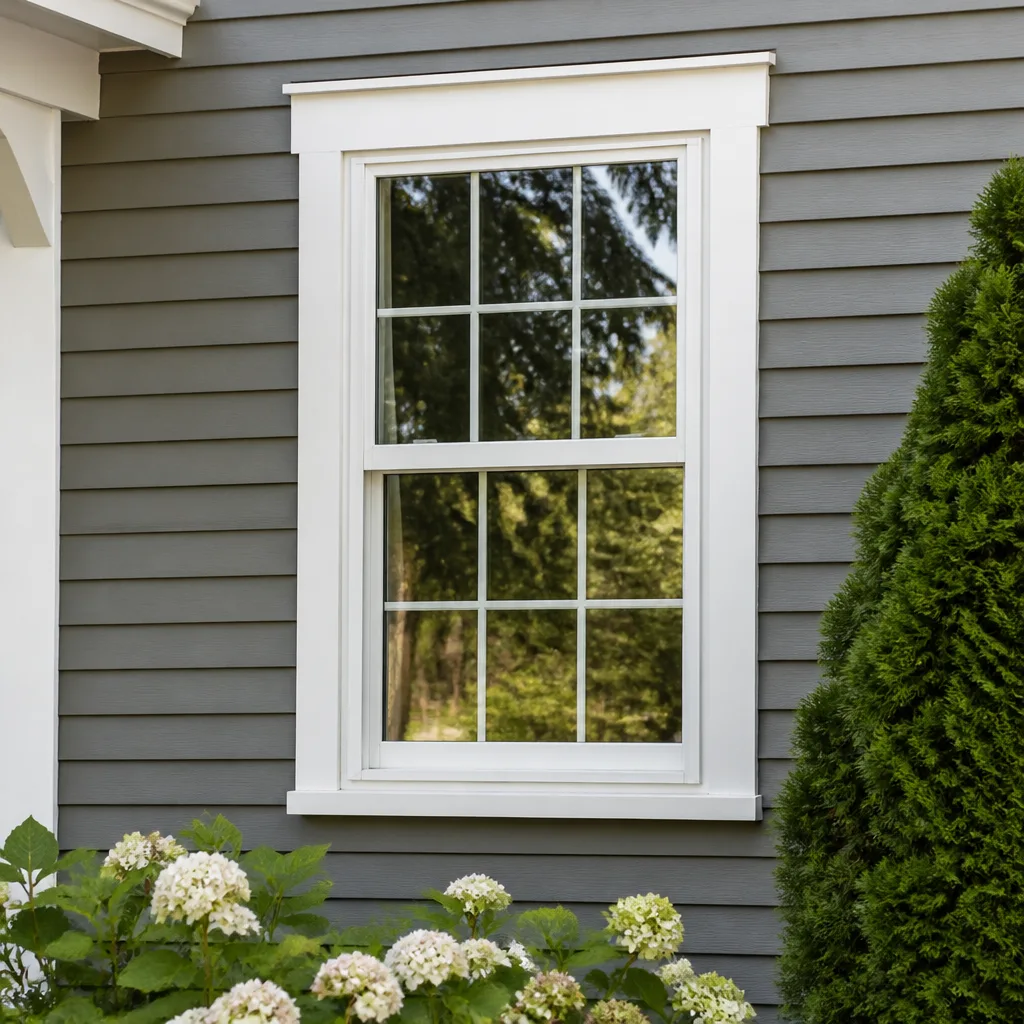 Double hung
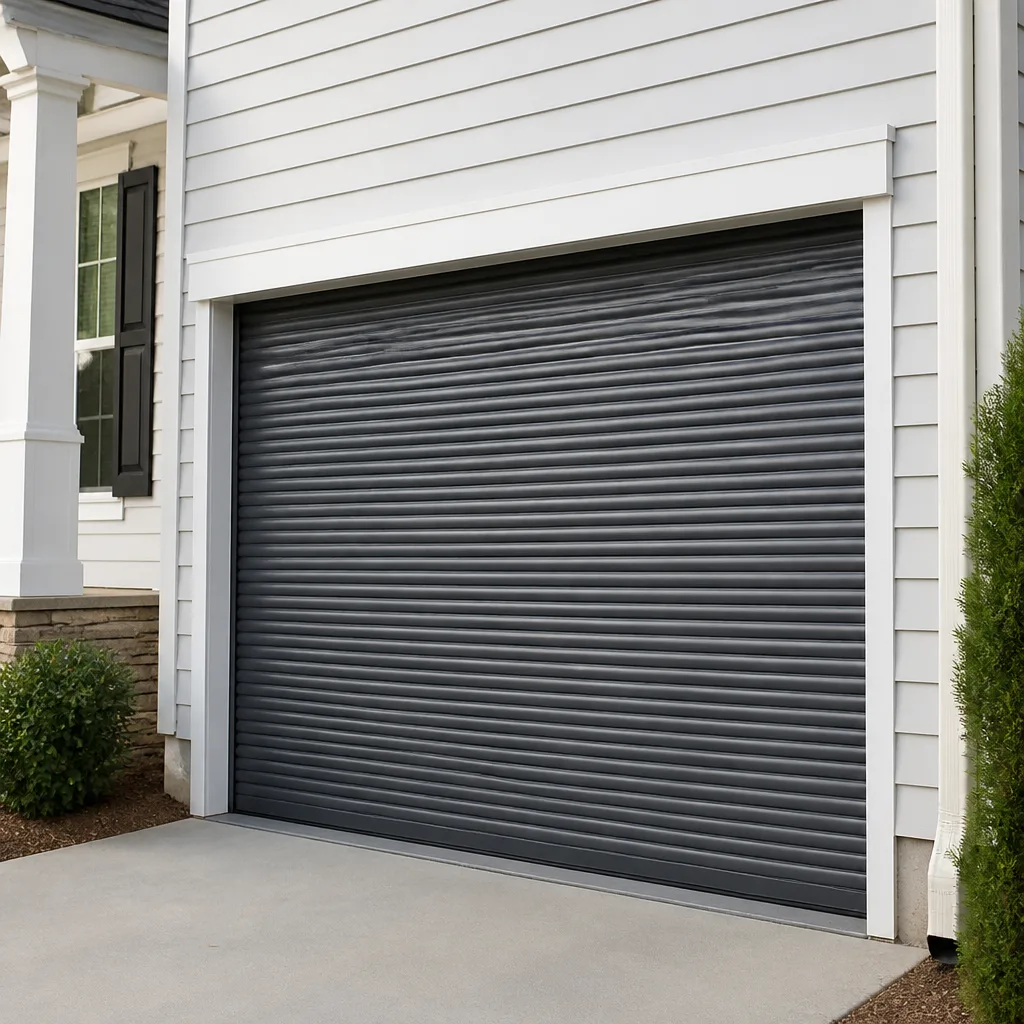 Horizontal roller
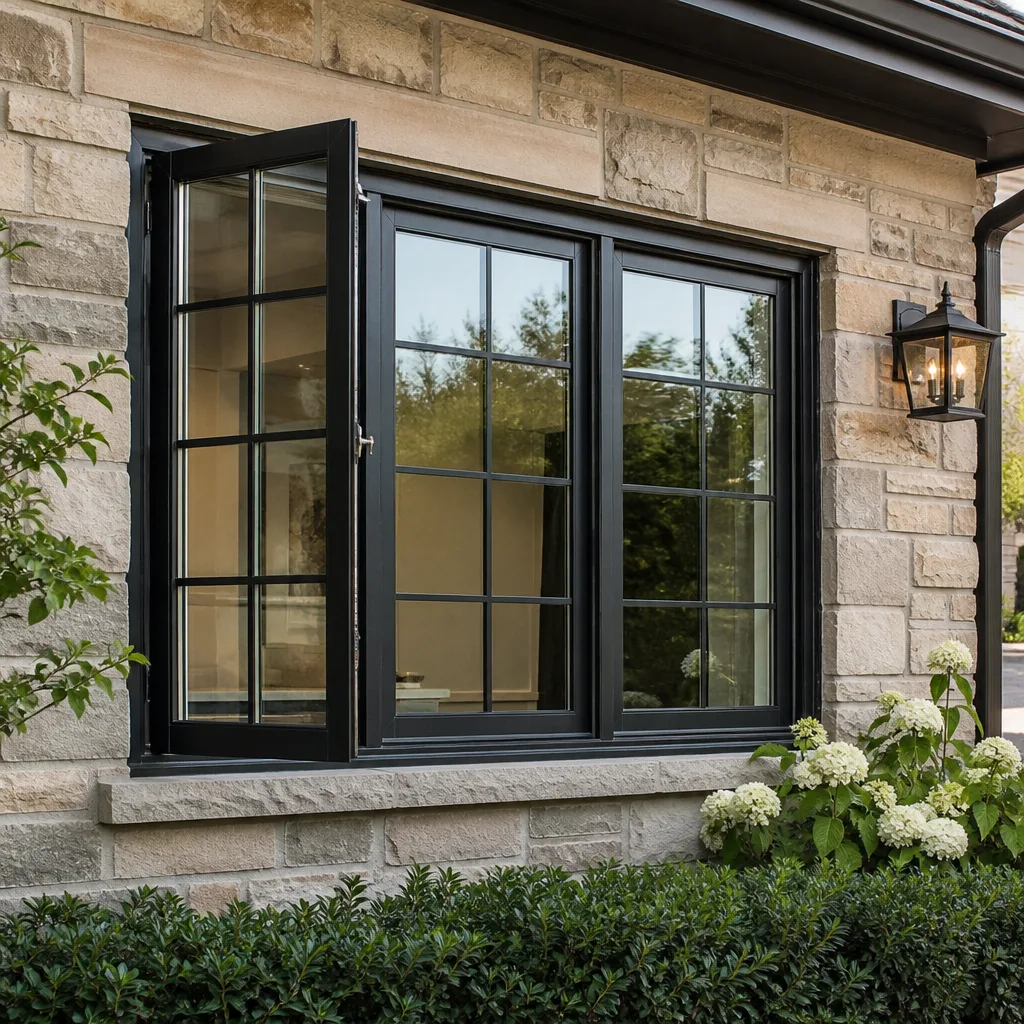 Casement
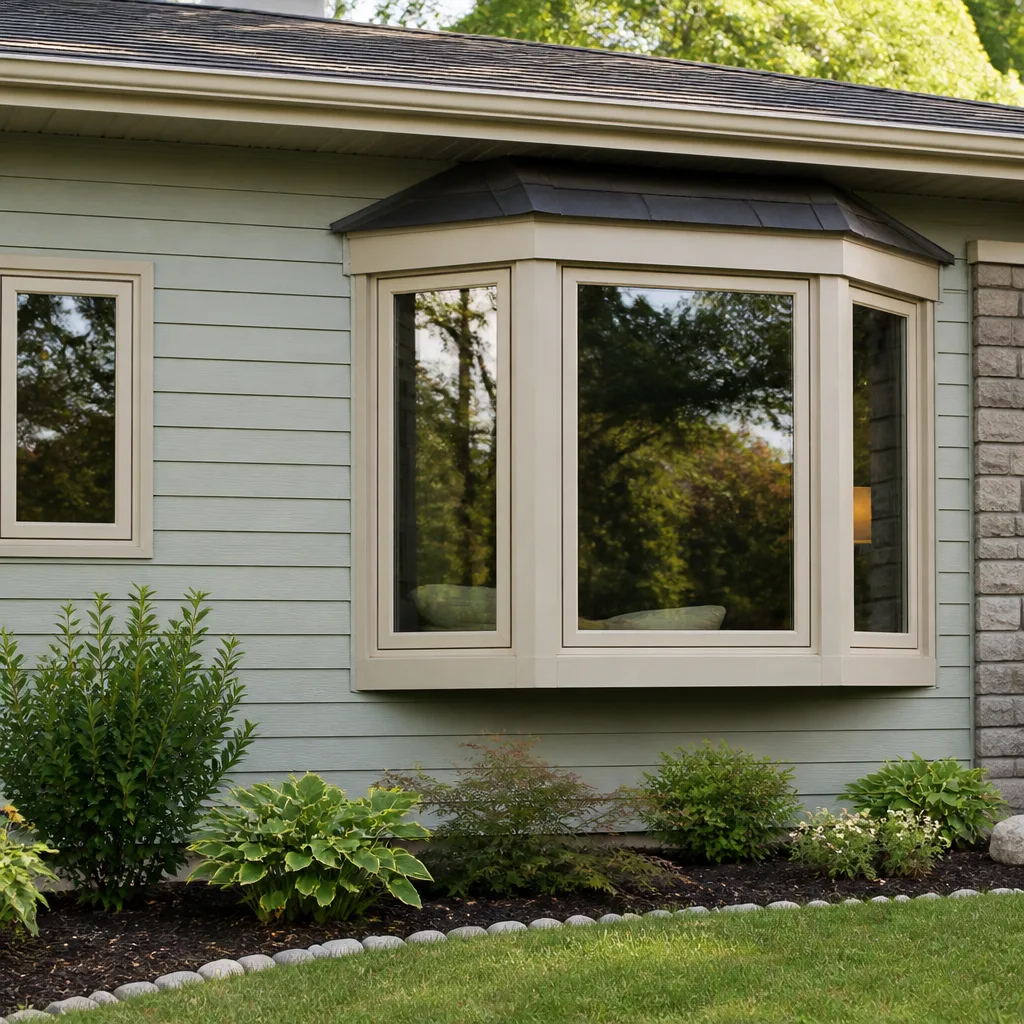 Bay & bow
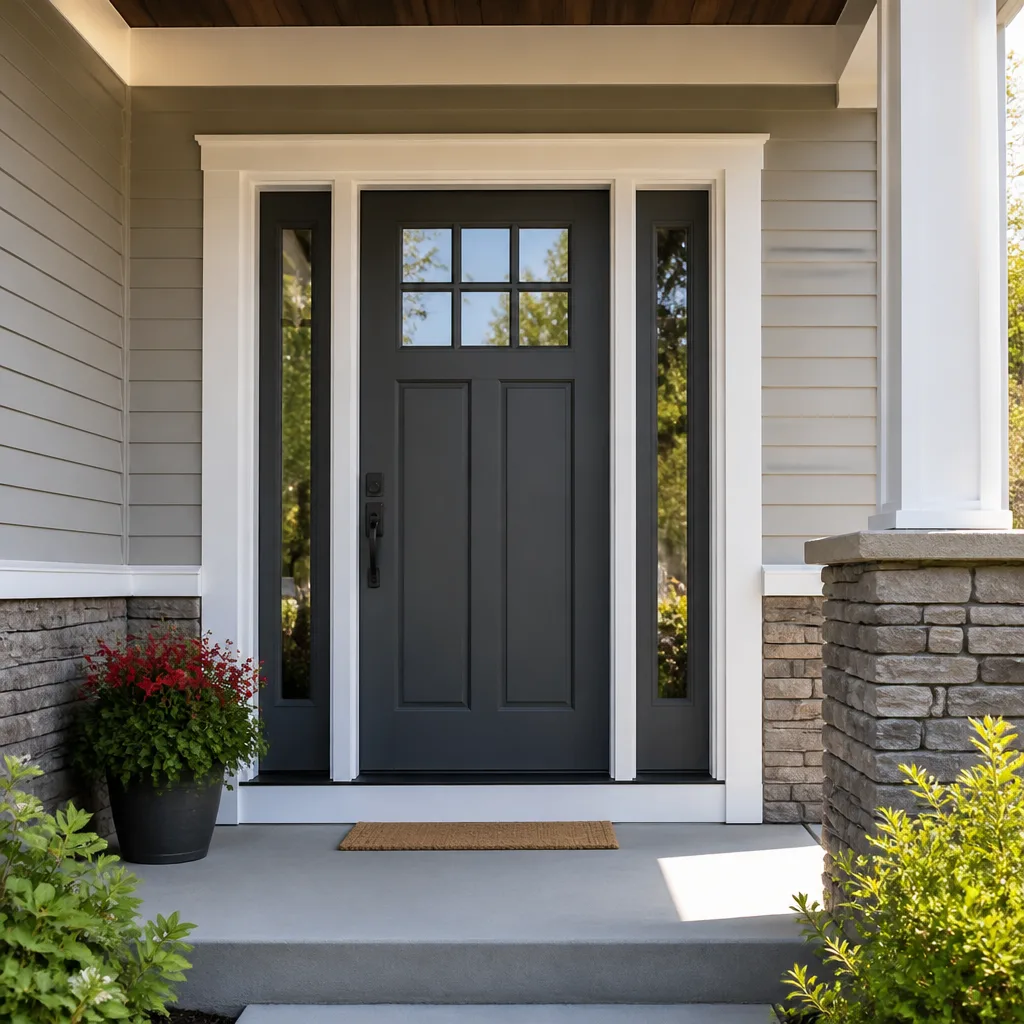 Entry doors
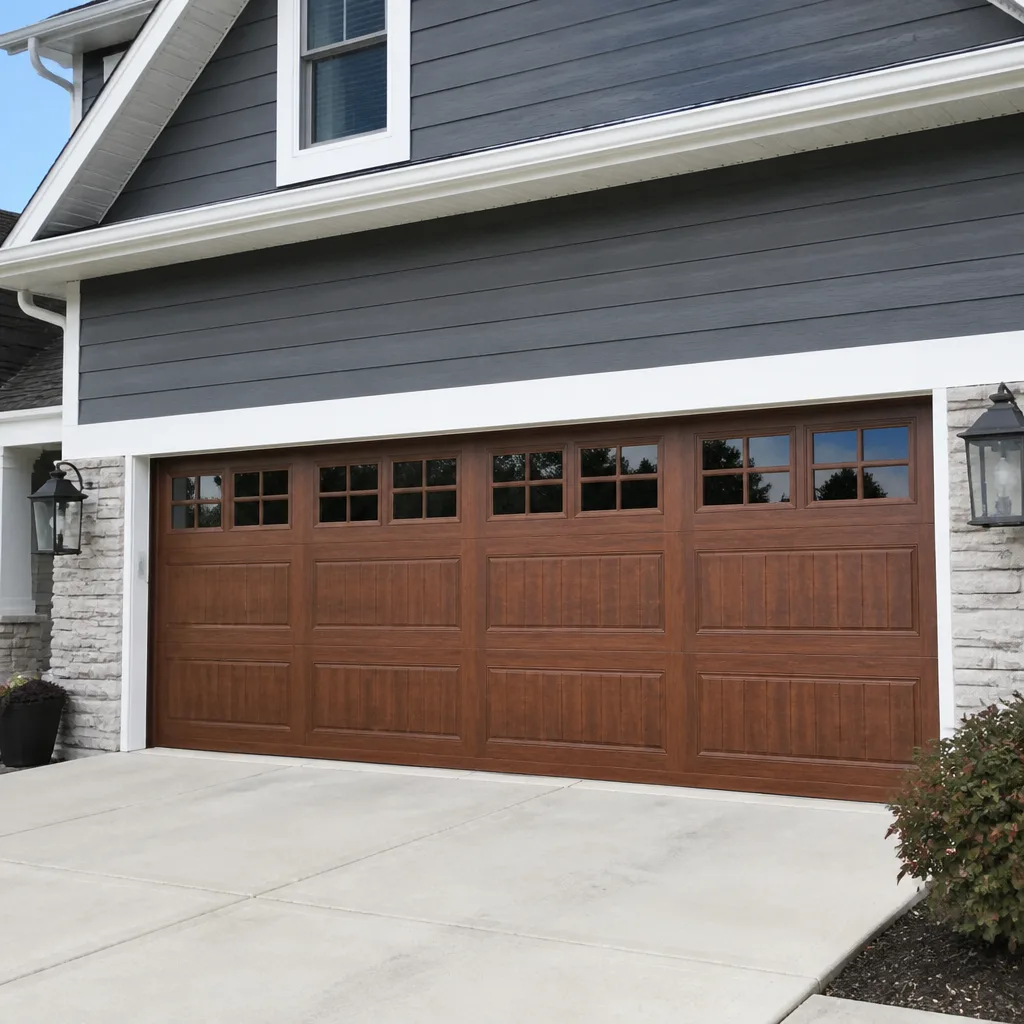 Impact garage doors
 PGT
 CGI
Free in-home measure and quote - PGT, CGI and CWS impact lines compared on your actual openings, style by style
Get your free estimateSeasonal Windows & Doors Care for Folsom: Year-Round Homeowner’s Guide
Most seasonal window guides are written for climates that spend five months under snow, so they tell you to clear ice dams and check for frost heave. That advice is useless in Folsom. The real threat to your windows and doors here arrives quietly in August, when weeks of triple-digit heat bake the west-facing side of your house and the seals inside your glass units slowly give up. Winter matters too, but mostly in short, sharp bursts. This guide gives you a quarter-by-quarter care calendar built around what actually happens to homes in Folsom, from the first warm days of spring to the cold snaps of January.
Quick Answer
In Folsom, summer heat and UV exposure do more damage to windows and doors than any other season, so the most important care happens in spring and early summer before the worst heat arrives. Focus on flushing weep holes after the rainy season, lubricating hardware before thermal cycling begins, and shading interior glass from radiant heat. Fall smoke season and brief January cold snaps each need their own short checklist. A full professional inspection every few years catches failing glass seals and worn weatherstripping before they cost you comfort or energy.
Styles & brands we work with
- Single hung
- Double hung
- Horizontal roller
- Casement
- Bay & bow
- Sliding glass doors
- Entry doors
- Impact garage doors
- PGT
- CGI
Table of Contents
- Spring Care in Folsom: Post-Rain Cleanup Before the Heat
- Summer Care: Protecting Frames, Glass, and Tracks From Extreme Heat
- Fall Care: Wildfire Smoke Season and Sealing the Envelope
- Winter Care: Cold Snaps, Condensation, and Delta Winds
- Annual Tasks That Don’t Fit One Season
- Common Mistakes to Avoid
- When to Call a Professional
- Frequently Asked Questions
Spring Care in Folsom: Post-Rain Cleanup Before the Heat
Spring is the season to get your windows and doors ready for the punishment summer will deliver. The work you do in March, April, and May decides how well your seals, frames, and hardware hold up through months of thermal cycling. Folsom gets a modest rainy season, and that water leaves behind grit, pollen, and mineral residue that can work its way into places you don’t want it.
Start with your weep holes. These are the small drainage channels at the bottom of window and sliding door frames that let water escape. When they clog with debris, water can sit against the frame and weatherstripping. On a calm day, flush them with a garden hose on low pressure and clear any visible grit with a soft brush. Never poke a screwdriver into a weep hole; you can damage the channel behind it.
Then work through this spring checklist:
- Reinstall screens. Before hanging screens for the season, inspect each for tears and bent frames. Wipe off dust so airflow stays open.
- Lubricate hardware. Apply a small amount of silicone-based lubricant to hinges, locks, and sliding door rollers. This matters most before summer because heat expands metal and stresses moving parts.
- Wash glass and frames. Use a mild soap solution, not an abrasive cleaner, and rinse frames so pollen and mineral film don’t bake on in the sun.
- Check sealant lines. Look at the caulk around exterior frames. Any crack or gap you can see is a place where summer heat and fall smoke can get a foothold.
- Test operation. Open and close every window and door to catch sticking or dragging now, when it’s cheap to address.
If your screens are torn beyond use or your frames are visibly warped, that’s a sign you may be looking at window installation rather than another season of patching. Catching it in spring gives you time to plan before the heat of summer.
Summer Care: Protecting Frames, Glass, and Tracks From Extreme Heat
Summer is the season that does the most damage to windows and doors in Folsom. Long stretches of 100°F days put sustained stress on every component: vinyl frames expand, sealants soften, and the gas between panes in an insulated glass unit (IGU) works harder to keep its performance. Your job in June through September is to reduce that load wherever you can.
UV and frames. Vinyl frames are durable, but prolonged UV exposure can cause them to chalk or discolor over time. A UV protectant designed for vinyl helps slow that. On older frames, check for brittleness or cracking, especially on south- and west-facing walls that take the afternoon sun directly.
Interior shade strategy. The single biggest lever you have in summer is controlling radiant heat before it hits the glass. Close interior blinds or shades on west-facing windows during the hottest part of the afternoon. For homes with large glass areas, exterior shading or solar screens reduce load dramatically.
When sliding door tracks warp. This is a common summer headache in Folsom. Heat expansion can cause sliding door tracks to bind or the door to drag. Don’t force it. Clean the track thoroughly, check that rollers are seated correctly, and if the door still binds, that’s a sign of frame or roller wear that a professional should look at. If your sliding doors have seen many summers and the tracks are worn down past cleaning, newer sliding units engineered for heat performance, such as those from PGT or CGI, hold up better through repeated expansion cycles.
- Check seals around exterior frames for softening or cracking.
- Watch for condensation between panes, a sign of IGU seal failure.
- Keep door and window hardware lubricated through the hot months.
- Avoid slamming or forcing windows that feel stiff in peak heat.
Fall Care: Wildfire Smoke Season and Sealing the Envelope
Fall in Folsom means smoke season. When wildfire smoke pushes air quality into unhealthy ranges for days or weeks, your windows and doors become your first line of defense against fine particulate infiltration. The work you did in spring and summer now gets tested. This is the season to walk your envelope and seal anything that lets air leak.
Seal the gaps that let smoke in. Smoke particles are small, and they find their way through gaps you can barely see. Walk the perimeter of each window and exterior door. Check the weatherstripping around doors, the caulk lines around window frames, and the seals on sliding doors. Any gap should be addressed. Foam weatherstripping and brush-style door seals are effective at stopping fine particulate, and pleated or filter-compatible weatherstripping can add another layer of protection where gaps are larger.
Clean sills after smoke events. When the smoke clears, ash and fine grit settle on sills and tracks. Wipe these down with a damp cloth so the residue doesn’t work into the weatherstripping or scratch glass and frames. Pay attention to sliding door tracks, which collect the most.
Check the air-sealing around doors. Entry door thresholds and sweeps take a beating. If you can see daylight under an exterior door, smoke can follow that same path. If weatherstripping is compressed or torn, replacing it before winter is worth the small effort.
Our technicians have up to 8 years of experience and can assess whether your current windows are doing their job, or whether it’s time to look at higher-performing units like the impact-rated lines from PGT and CGI that resist air and water infiltration better. For entry doors, the Therma-Tru systems we install are built for insulation and long-term durability, which matters when smoke season is part of your yearly calendar.
Winter Care: Cold Snaps, Condensation, and Delta Winds
Winter in Folsom is mild overall, but it isn’t uniform. Two things define the season: brief cold snaps in January when temperatures can dip low enough to matter, and the Delta wind patterns that push cold air across the region. Both put pressure on your windows and doors, just differently than summer does.
Managing condensation. When interior warmth meets cold glass, condensation forms on the inside of the window. That’s normal in small amounts, but persistent moisture on frames or sills can stain wood and feed mold. Wipe condensation off regularly during cold snaps, and keep interior humidity in check. If you see condensation between the panes, that’s a different problem: the IGU seal has failed, and no amount of wiping will fix it.
Checking door threshold seals before wind season. The Delta wind pushes cold air against exterior doors. Before the windiest stretch arrives, check the threshold and door sweep for wear. If cold air is coming under the door, an adjustment or a replacement sweep can close that gap. This also keeps dust and debris out during windy days.
What January freeze events do to aluminum hardware. The metal components in window and door hardware can become stiff or brittle in cold snaps, especially older aluminum parts. Don’t force stiff hardware; it can crack. A bit of silicone lubricant before the cold arrives reduces binding. If hardware fails outright, that’s a job for a professional.
- Wipe condensation from glass and frames during cold snaps.
- Inspect door sweeps and thresholds before the windiest weeks.
- Test every window latch and lock to confirm they operate smoothly.
- Watch for drafts around frames; these are air-infiltration points.
If cold drafts around your windows persist through the season, window replacement with a modern energy-efficient unit will do more for comfort than any sealing effort on aging frames.
Annual Tasks That Don’t Fit One Season
Some upkeep doesn’t fit neatly into a season because it’s about the long-term health of your windows and doors. Handle these once a year, ideally in spring or fall when you’re already paying attention.
IGU integrity checks. The insulated glass unit is the sealed sandwich of glass and gas that gives a window its energy performance. When its seal fails, you’ll notice fogging, condensation between panes, or a haze that won’t clean off. Check every window once a year. A failing IGU can’t be resealed from outside; the glass unit has to be replaced.
Full weatherstrip replacement intervals. Door weatherstripping and window seals degrade with age and exposure. Replace weatherstripping when it’s compressed, torn, stiff, or no longer making contact with the frame. In Folsom’s climate, with its heat cycling, inspecting weathering every year and replacing when worn is the right approach.
Professional inspection versus DIY. You can handle cleaning, lubricating, and visual checks yourself. Call in a professional when you see fogging between panes, frames that are warped or cracked, doors that no longer latch or seal, or hardware that fails. Those are signs of component failure, not routine upkeep, and they call for door replacement or window replacement rather than patching.
Know your replacement trigger. Windows and doors have a working life. When you’re sealing the same drafts every year, when your energy bills climb without explanation, or when hardware is failing on multiple units, replacement starts to make more financial sense than ongoing upkeep. A specialist can help you evaluate that honestly.
See the difference
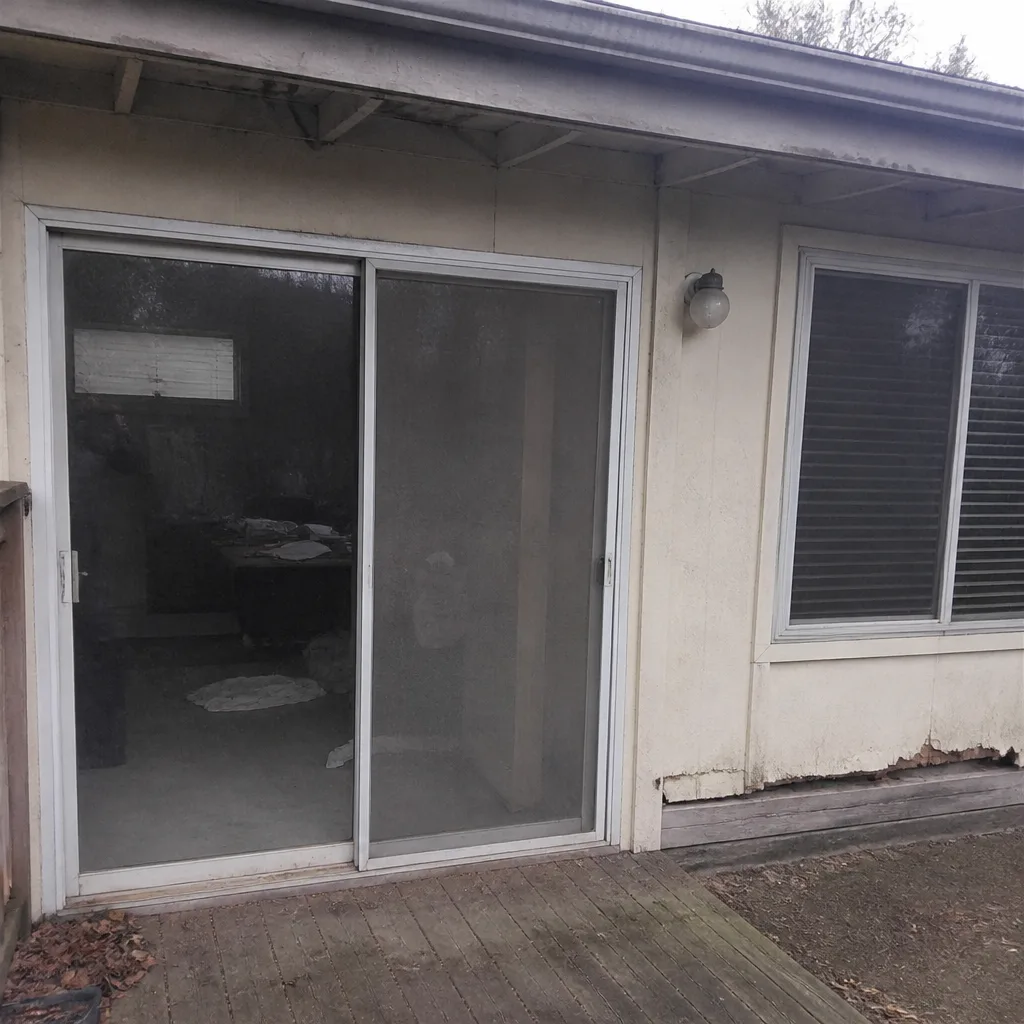 Before
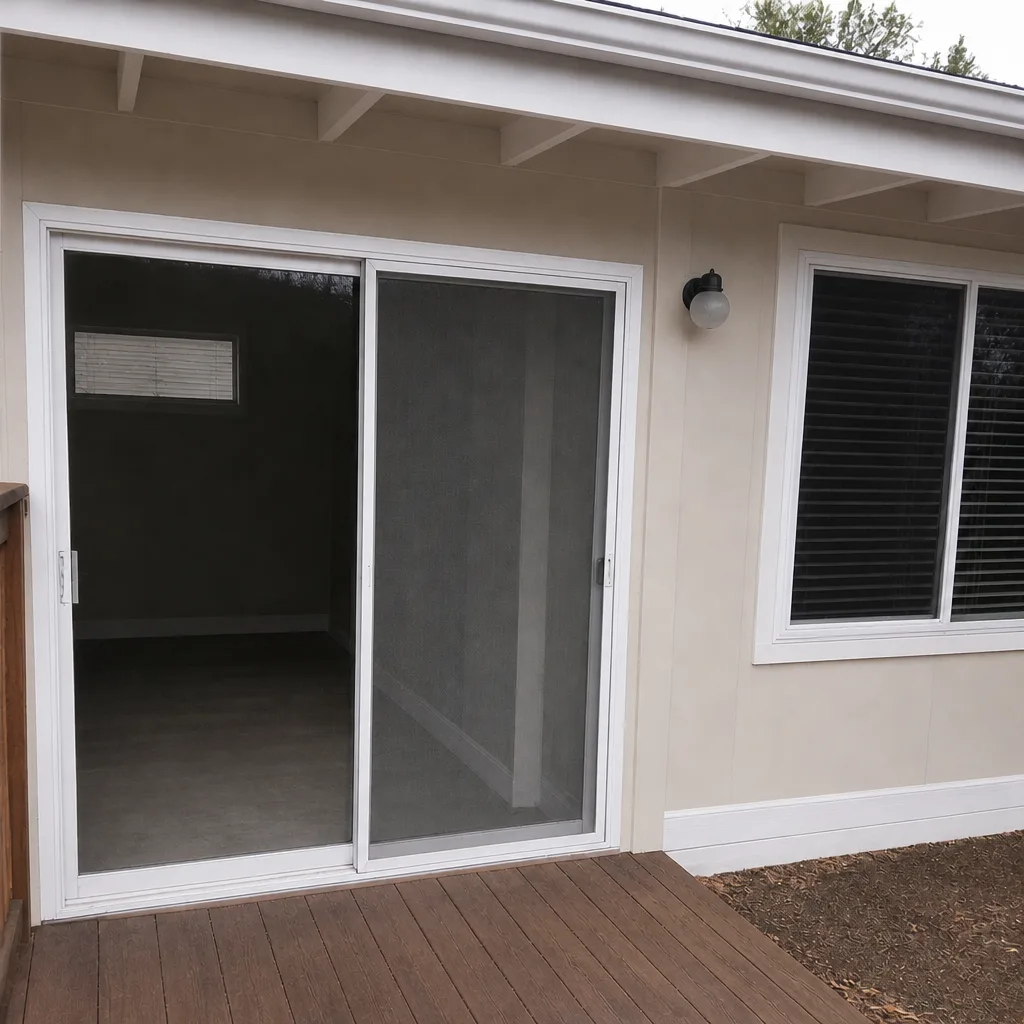 After
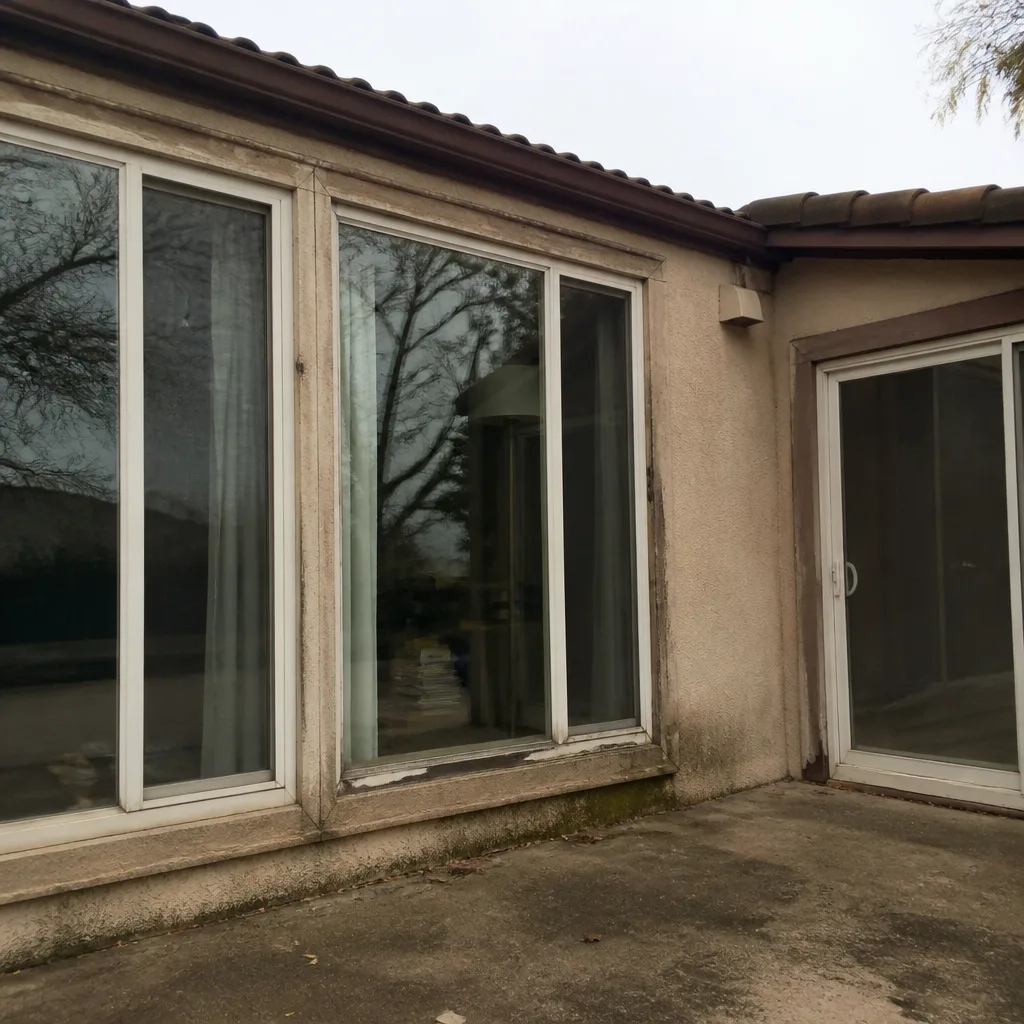 Before
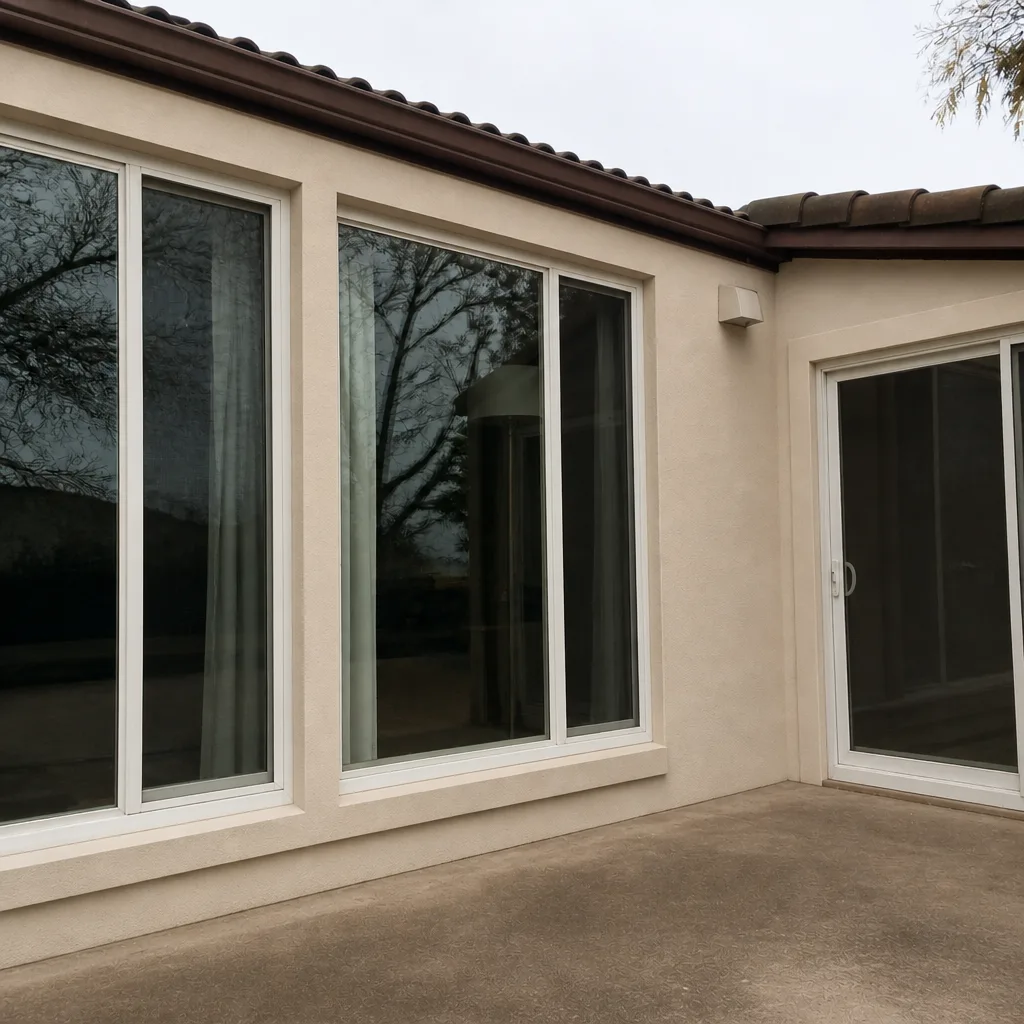 After
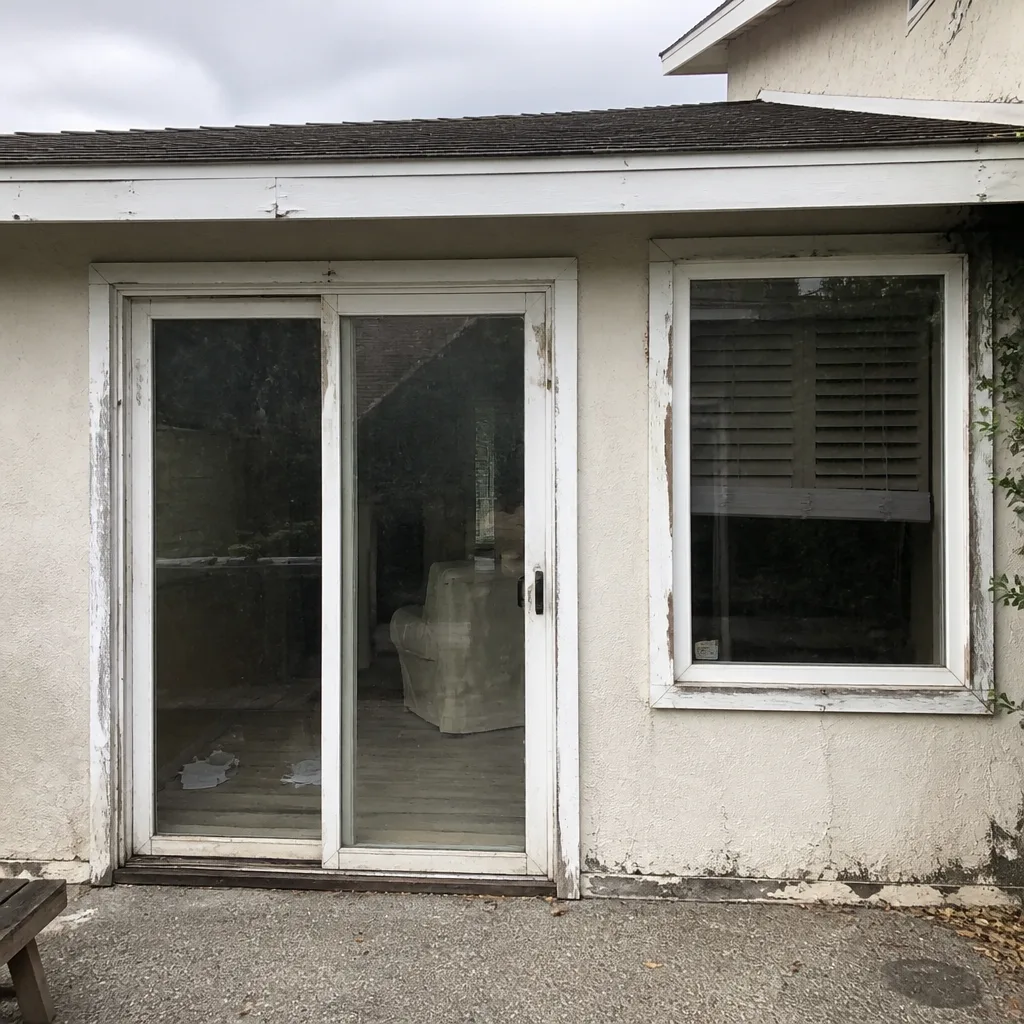 Before
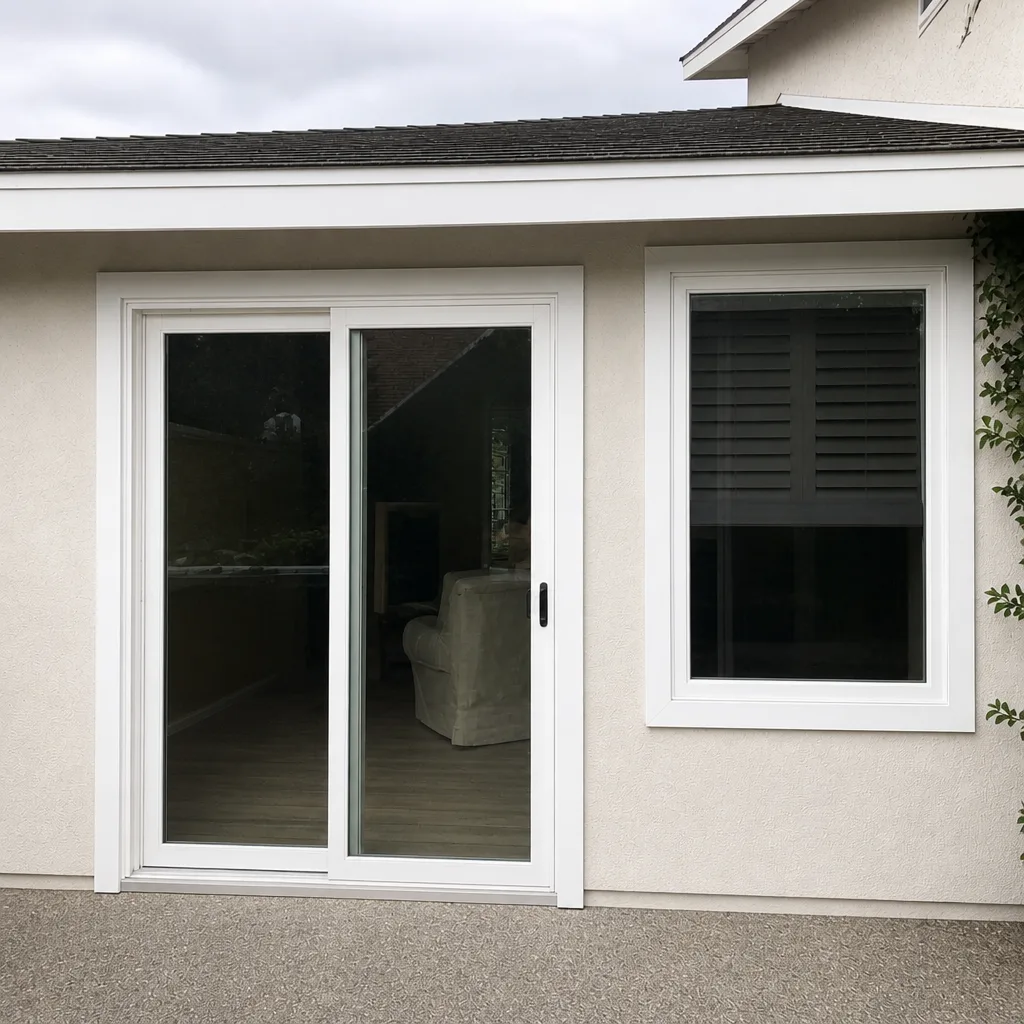 After
Common Mistakes to Avoid
- Ignoring weep holes. Blocked weep holes trap water against your frames year-round. Flush them after the rains.
- Forcing windows or doors that stick. Binding is a sign of a problem, not something to push through. Clean the tracks, check rollers, and inspect carefully before forcing.
- Skipping lubricant before summer. Heat expands metal and stresses moving parts. Lubricating hardware in spring prevents stuck windows and doors in August.
- Assuming interior condensation is always harmless. Small amounts are normal, but persistent moisture on frames and sills leads to stains and mold. Watch it during cold snaps.
- Not addressing failed IGU seals. Fogging between panes is a failed seal. The only real fix is replacing the glass unit, and delaying it costs you energy performance.
- Leaving weatherstripping in place until it fails. Worn weatherstripping lets in smoke, dust, and drafts. Inspect it annually and replace when worn.
- Using abrasive cleaners on vinyl frames. Harsh cleaners can damage the frame surface and accelerate UV degradation. Use mild soap and water.
- Skipping a professional inspection for years. Many window and door problems start small and are easy to miss without close inspection. A periodic professional check catches them early.
When to Call a Professional
Most seasonal care is DIY-friendly, but some problems are signs of component failure that no amount of cleaning and lubricating will fix. Call a specialist when you see fogging or condensation between panes on any window, when exterior frames are warped, cracked, or no longer sealing against the weather, when a sliding door binds even after a thorough track cleaning, when entry doors no longer latch or seal properly, or when hardware is failing on multiple units. Those situations call for replacement, not continued upkeep.
At Window Replacement Folsom, we focus only on windows and doors, so our recommendations come from a single-niche perspective rather than a general contractor splitting attention between many trades. We install and replace windows, sliding doors, and entry doors, and we offer free estimates in Folsom. Call (279) 321-4976 to schedule yours.
Frequently Asked Questions
Check your windows and doors at least twice a year, in spring and fall, with a quick seasonal pass in between. Spring inspection focuses on post-rain damage and pre-summer prep, while fall focuses on sealing against smoke and preparing for cold snaps. A deeper professional inspection every few years catches issues that are easy to miss.
Condensation between panes means the insulated glass unit’s seal has failed. Moisture has entered the sealed space between the glass layers. It cannot be wiped away or repaired from outside; the glass unit itself has to be replaced. This is one of the clearest signs that a window needs professional attention.
Yes, sliding door tracks and frames can bind or warp under sustained high heat. Thermal expansion stresses the track and rollers, and older or lower-quality units are more prone to it. If a door drags or binds, clean and inspect the track first, then call a professional if the problem persists. Higher-performance sliding units from brands like CGI and CWS are built to handle repeated heat cycling more reliably.
Seal gaps around windows and exterior doors, check that weatherstripping makes full contact, and address any visible gaps in caulk lines around frames. Pleated or filter-compatible weatherstripping can help stop fine particulate from slipping through larger gaps. After smoke events, clean sills and tracks to remove settled ash.
Replacing weatherstripping on doors and windows is a reasonable DIY task if you’re comfortable with basic hardware work. The key is matching the replacement to the existing gap and making sure it makes full contact when the door or window closes. If the weatherstripping keeps failing or the door no longer closes flush, a professional should look at the door itself.
Seasonal upkeep is cleaning, lubricating, and checking for wear. Replacement is warranted when you see fogging between panes, warped or cracked frames, doors that won’t seal or latch, failed hardware on multiple units, or energy bills climbing without explanation. Upkeep maintains working components; replacement addresses components that have failed. For an honest assessment of where your windows stand, window replacement specialists can evaluate your situation and offer a free estimate.
Choosing the Right Products When Replacement Is the Answer
When seasonal upkeep is no longer enough, the products you choose matter as much as the installation. Because we install a curated roster of eight professional-grade brands, we can match the product to the problem instead of pushing whatever’s on hand. For homes facing heat cycling and smoke seasons, energy-efficient lines from ES Windows and ECO Window Systems are worth a look. For impact resistance and wind performance, PGT, CGI, and CWS are engineered to meet strict standards.
On the entry door side, Therma-Tru systems set an industry benchmark for insulation and long-term durability, and they’re available through direct installation. Sliding door replacement is part of the same full scope, so you’re not coordinating separate trades for windows and doors. From sliding doors to entry doors, it’s all we do.
The Bottom Line
Folsom’s four seasons don’t treat your windows and doors equally. Summer heat and UV are the primary degradation drivers, carrying the most sustained stress across the year. Fall smoke season and winter cold snaps each need their own short checklists. Spring is your prep window before the heat arrives. Handle the seasonal tasks around cleaning, lubricating, and sealing, and know the signs of component failure that call for professional help. When your windows or doors have reached the point where upkeep no longer makes sense, a specialist with real brand options can help you choose the right replacement.
Call Window Replacement Folsom at (279) 321-4976 for a free estimate on window and door replacement. We’re glad to walk through your situation and help you plan the right next step.
Written by the team at Window Replacement Folsom.