Last updated November 25, 2026
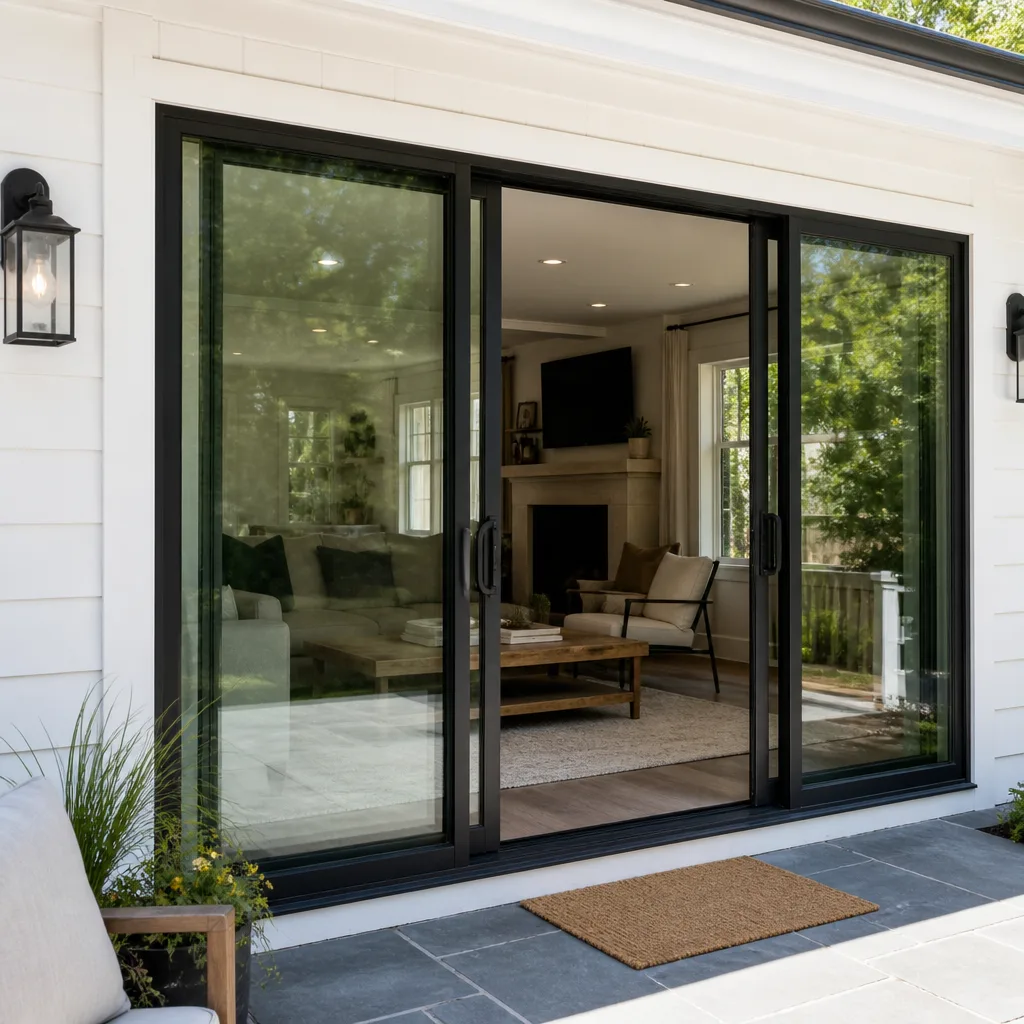 Sliding glass doors
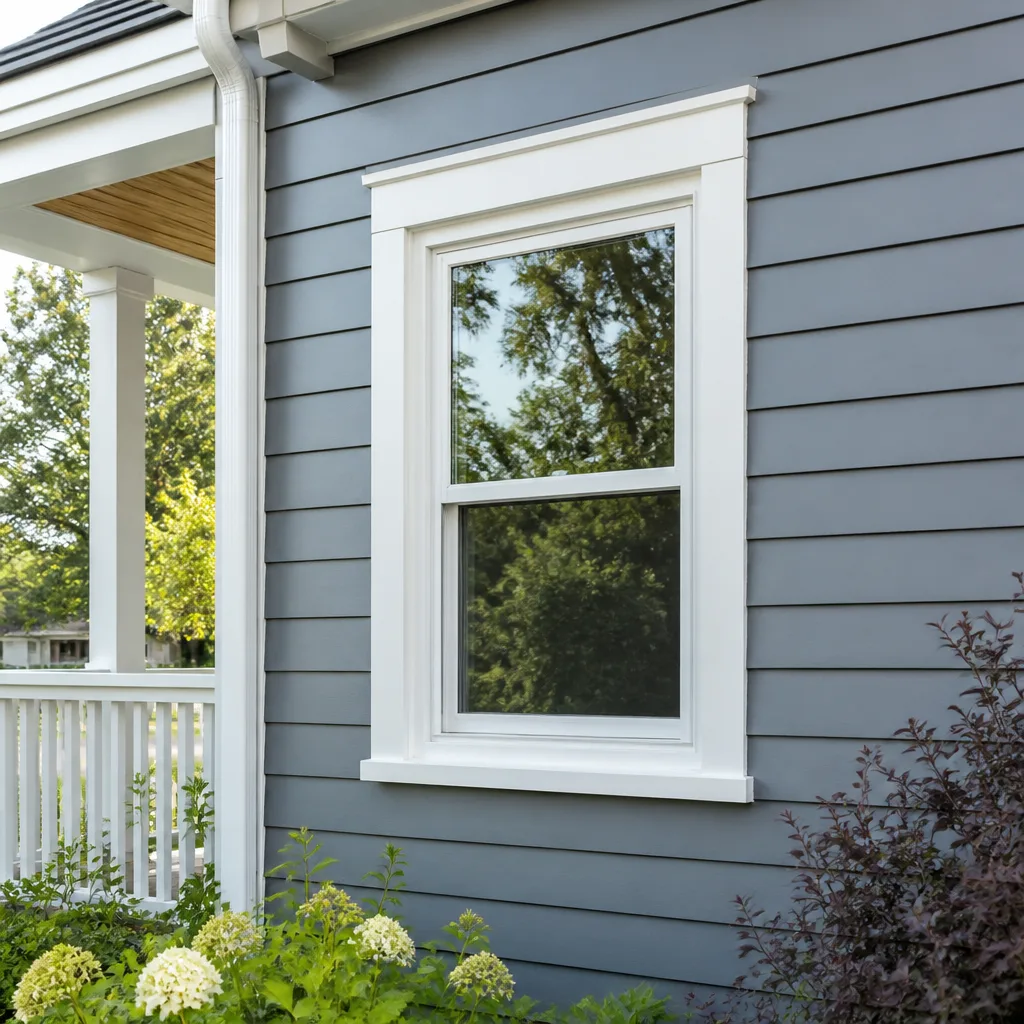 Single hung
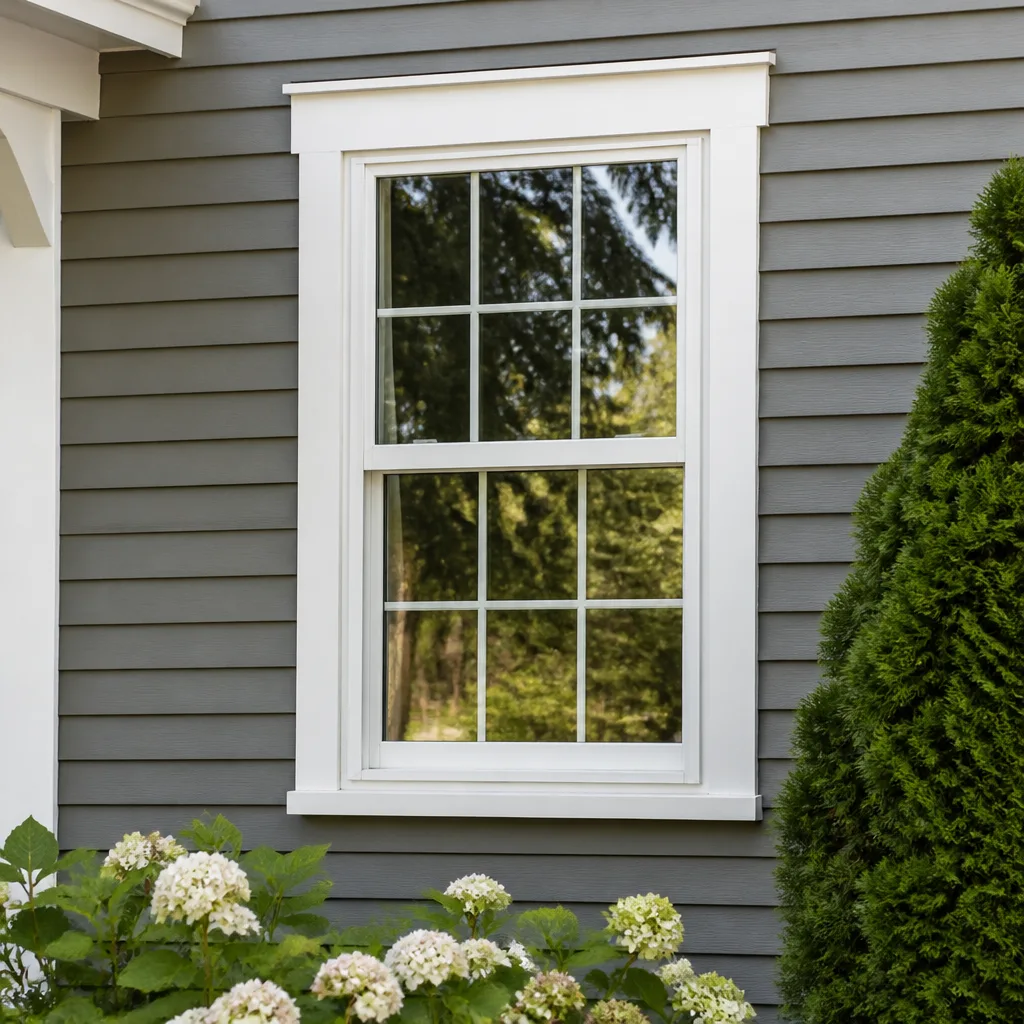 Double hung
 Horizontal roller
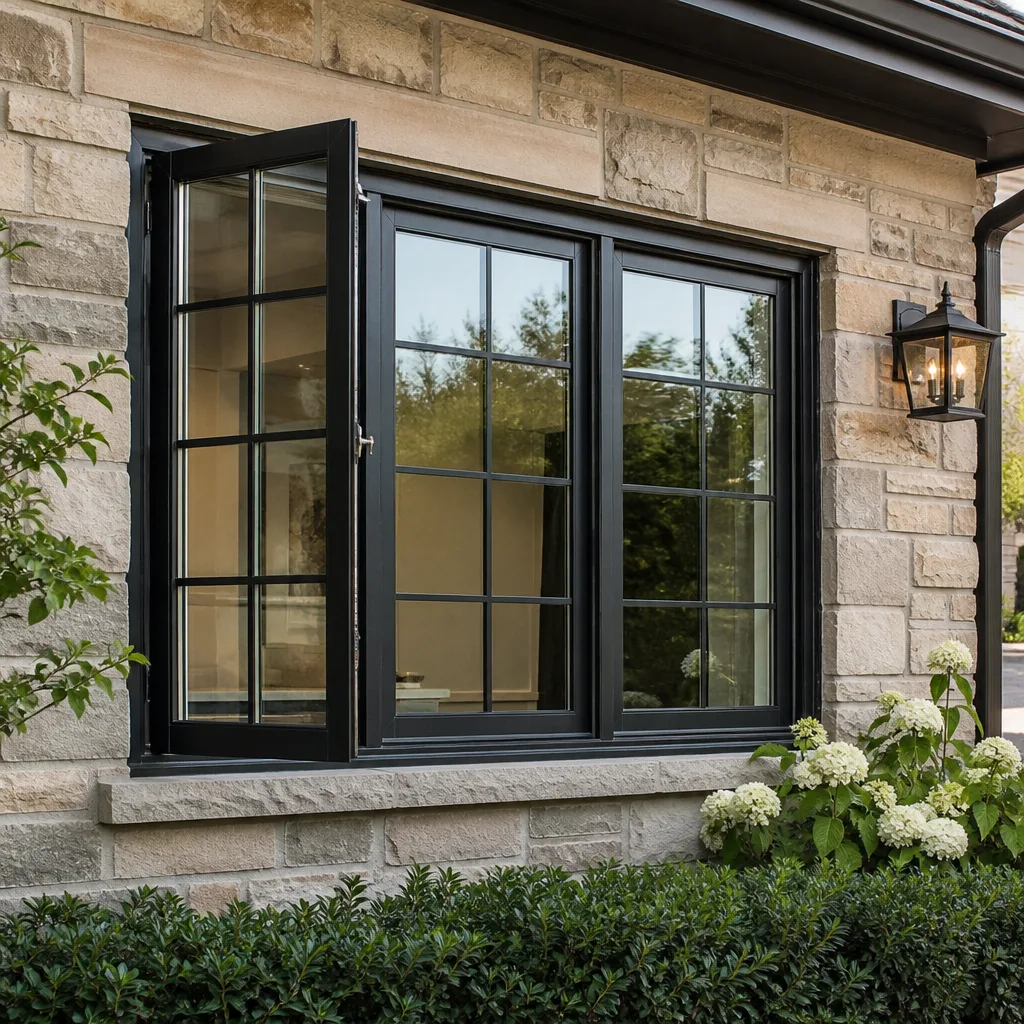 Casement
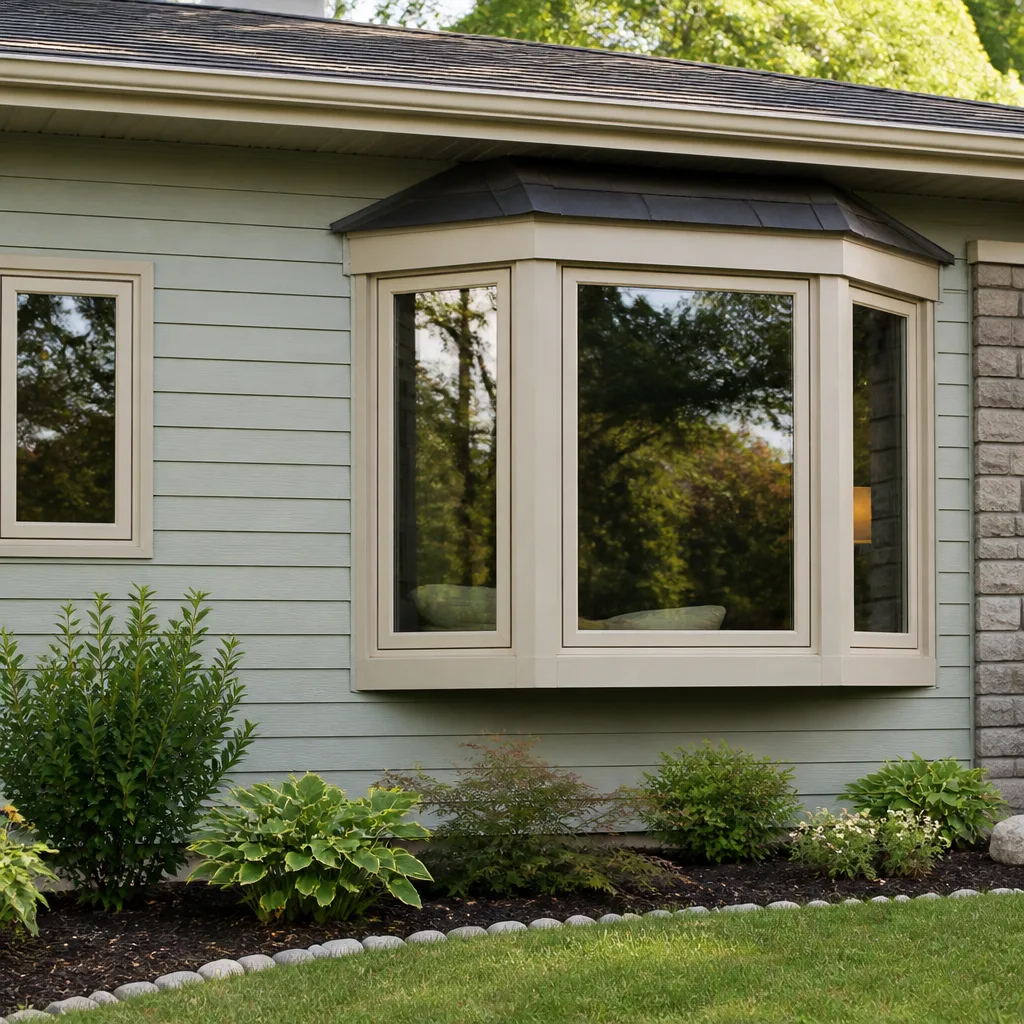 Bay & bow
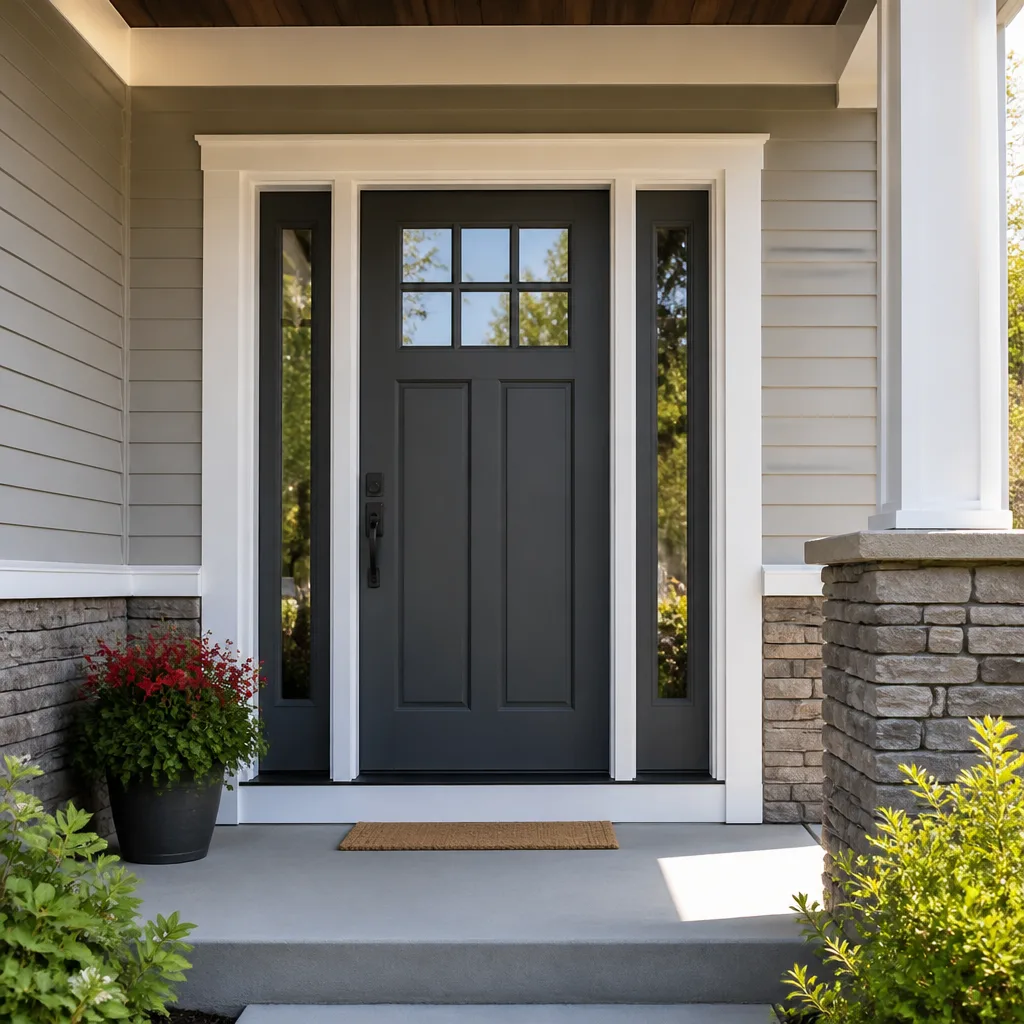 Entry doors
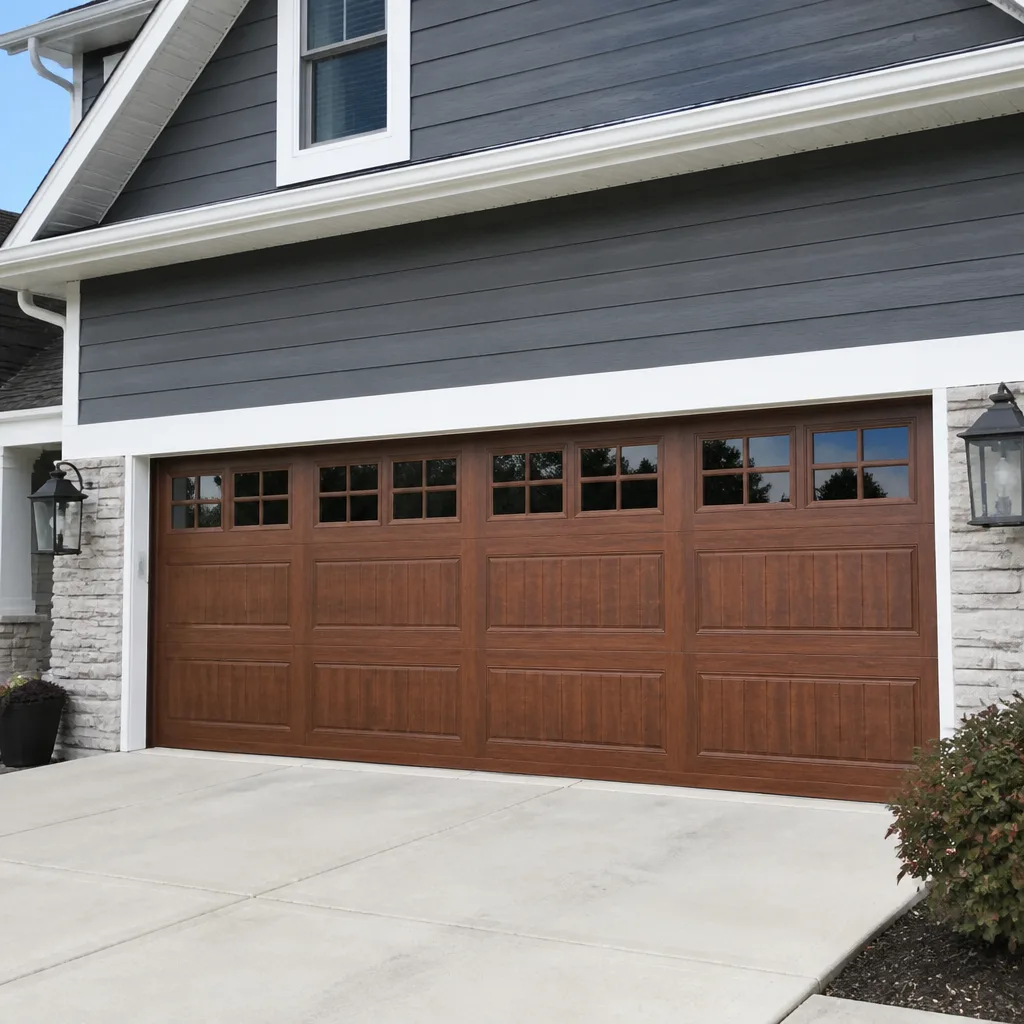 Impact garage doors
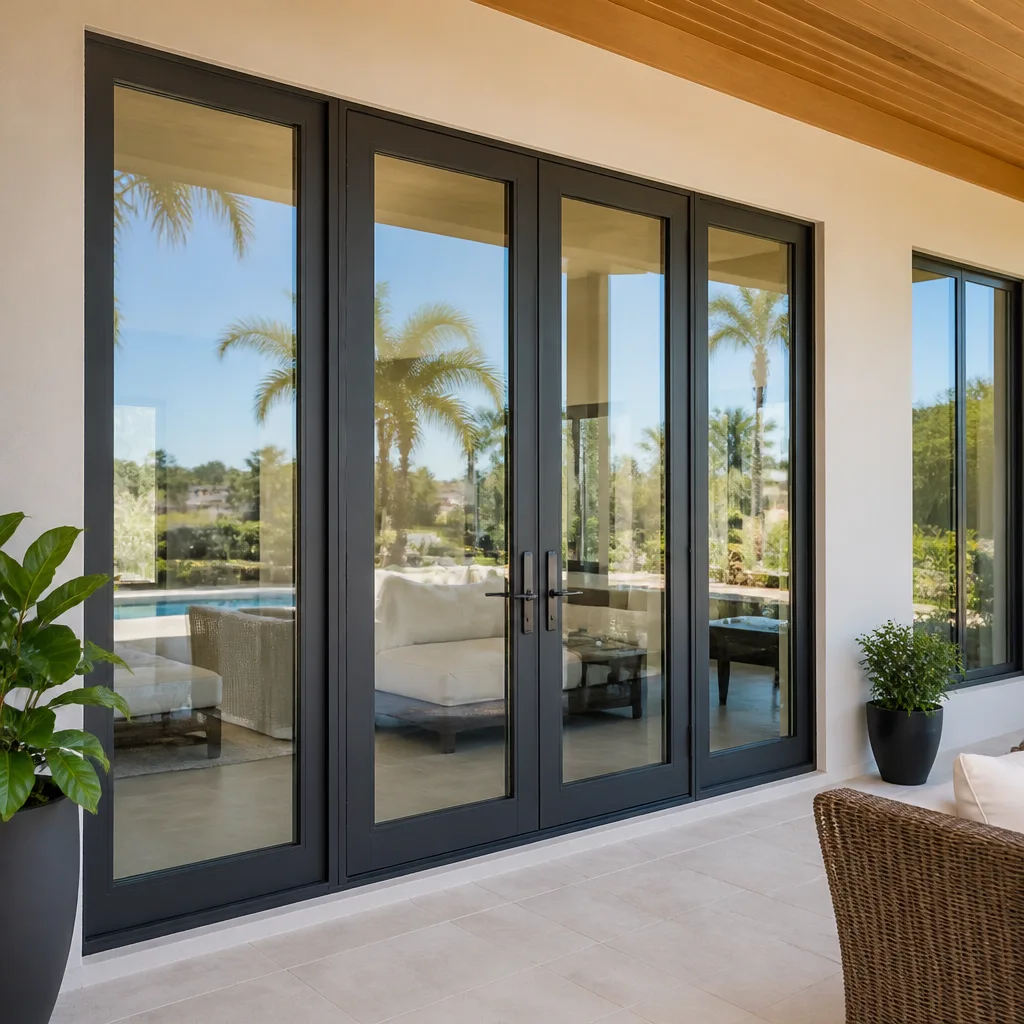 PGT
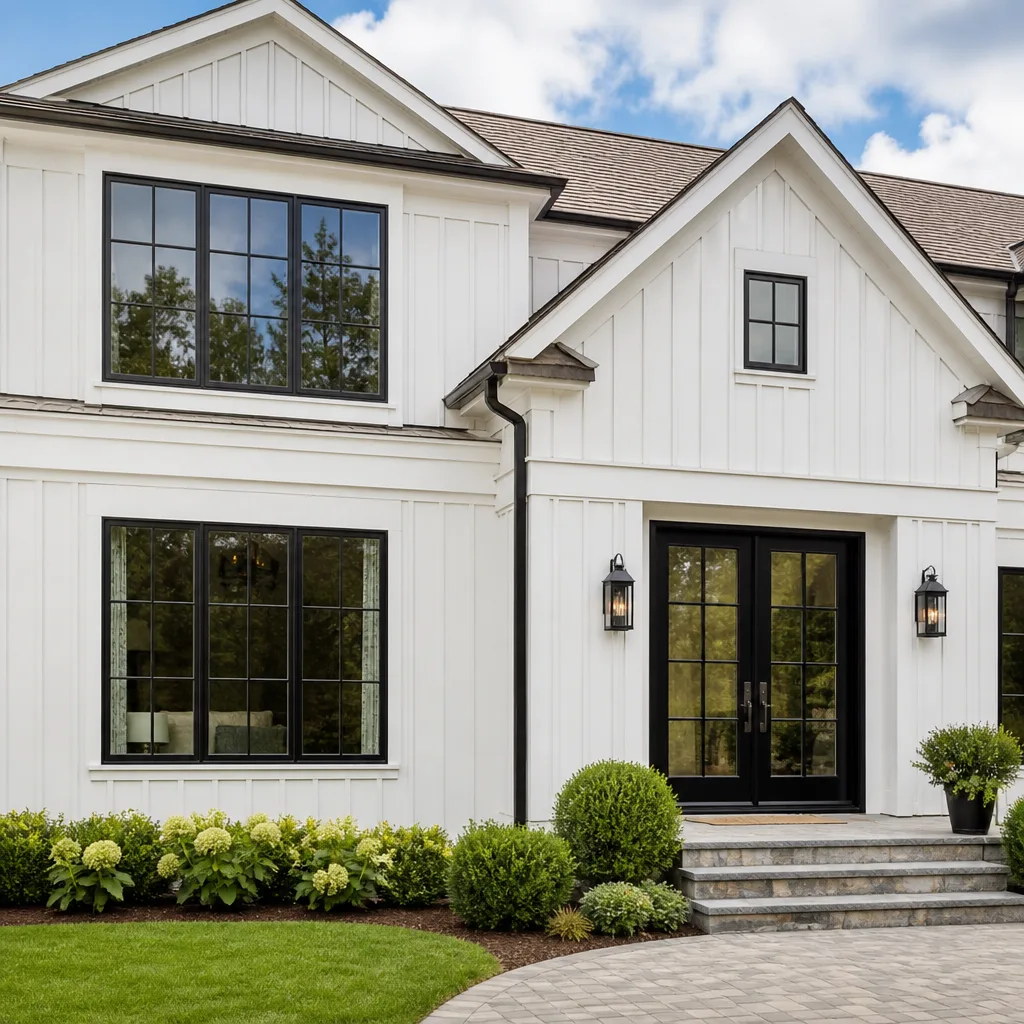 CGI
Free in-home measure and quote - PGT, CGI and CWS impact lines compared on your actual openings, style by style
Get your free estimateWindows & Doors Emergency Preparedness Guide for Folsom Homes
Most homeowners think about windows and doors in terms of comfort and curb appeal: how much heat the glass lets in, how a new entry door looks from the street. But in Folsom, the same products that keep your house comfortable in July are also structural components that can protect your family during an emergency. Folsom’s wildland-urban interface, occasional seismic activity along the Foothill Fault Zone, and extreme heat events create a risk profile where the condition of your windows and doors becomes a life-safety question, not a design one. This guide covers what to know before an emergency, not during it.
Quick Answer
Window and door emergency preparedness in Folsom means upgrading to impact-rated glazing in fire-prone zones, confirming that bedroom egress windows meet opening requirements, and installing weatherstrip and door bottom seals that reduce smoke infiltration during poor-air-quality events. In wildfire-threatened areas, laminated impact glass and properly sealed frames give a home a measurable margin of protection during ember intrusion, while firm door alignment and intact frames are the first things to check after a quake.
Styles & brands we work with
- Single hung
- Double hung
- Horizontal roller
- Casement
- Bay & bow
- Sliding glass doors
- Entry doors
- Impact garage doors
- PGT
- CGI
Table of Contents
- Folsom’s Wildland-Urban Interface and Ember Risk by Neighborhood
- Laminated vs. Tempered Glass: What Each Does in a Fire Exposure Scenario
- Egress Window Requirements for Folsom Bedrooms
- Air Quality Emergencies and Door Bottom Seals
- Post-Earthquake Inspection Checklist for Folsom Frames and Sills
- Extreme Heat Events and Window Performance
- A Pre-Season Preparedness Round for Folsom Homes
Folsom’s Wildland-Urban Interface and Ember Risk by Neighborhood
During the 2021 Caldor Fire evacuation, homes with single-pane or degraded-seal windows in ember-prone zones failed fire intrusion tests at rates documented by CPUC. For Folsom, this comes down to one fact: the community sits directly against the wildland-urban interface (WUI) on its eastern and northern edges. Wildland doesn’t have to reach your yard to damage your house. Burning embers can travel a mile or more ahead of a fire front, then settle against a window or blow into a wall vent. The window unit is often the first thing an ember tests.
In Folsom, the parts of the city closest to Oak Ridge Boulevard, the reaches of Empire Ranch backing onto open land, and the homes along the American River Parkway corridor with unmaintained brush around a fence line face the most direct ember exposure. But WUI designation is not a hard line. A house several blocks in from the open hillside can still catch embers driven by a strong north or east wind. Where you sit in Folsom matters, but it doesn’t make anyone immune.
The practical implication for your windows comes down to two things: the glass itself and the weatherstrip. A single-pane window with failing seals will let radiant heat transfer directly to interior furnishings. A properly installed impact-rated window with an intact perimeter seal can interrupt the path an ember takes into the wall assembly.
Several items in our portfolio – PGT and CGI impact-rated window lines in particular – are engineered and tested to address ember intrusion, which is why we carry them for customers who take the WUI map seriously rather than just as decoration. Those products are the ones to ask about if you’re within a few blocks of open land in Folsom.
Laminated vs. Tempered Glass: What Each Does in a Fire Exposure Scenario
Laminated glass and tempered glass are not interchangeable in an emergency exposure. Laminated glass sandwiches a plastic interlayer between two sheets of glass. When it cracks from a thermal shock, the interlayer holds the pane together, so the barrier stays intact and continues to block radiant heat and ember contact. Tempered glass is stronger than ordinary glass but fails differently: when it does fail, it breaks into small granules and the window opening is suddenly exposed. Under fire exposure, tempered gives you more time than ordinary float glass, but it doesn’t hold together the way laminated does.
What this means for Folsom homes:
- Laminated impact glazing is the choice when the primary concern is a window unit staying in its frame during a fire or high-wind event. PGT and CGI impact-rated lines are built around this principle.
- Tempered glass is required by code in specific locations (near doors, in larger windows, in bathrooms) and provides extra strength, but it is not the same barrier against ember intrusion.
- Dual-pane insulated units with degraded seals lose most of their insulating value and can create a channel for smoke and heat.
Some PGT and CGI impact-rated products meet ASTM E2886 ember resistance testing, which is the standard that specifically addresses the ember-exposure concern in a WUI zone. If you’re comparing window lines for a home in Folsom, ask for that evaluation in writing before you commit. A product that meets an ember-resistance standard is a materially different window from a standard insulated unit.
Egress Window Requirements for Folsom Bedrooms
Every bedroom in California needs at least one window that qualifies as an emergency escape and rescue opening. In Folsom this requirement applies to older tract homes as well as new construction, and it’s common for a 1990s-era window that was code-compliant at the time to have slipped out of compliance after a replacement was installed with the wrong dimensions or a higher sill. The homeowner usually has no idea.
The requirements for a bedroom egress window in California, which apply in Folsom:
- A minimum net clear opening of 5.7 square feet, with a minimum clear width of 20 inches and a minimum clear height of 24 inches.
- The sill height (bottom of the window opening, measured from the finished floor) cannot exceed 44 inches.
- The window must open without the use of a key, a special tool, or knowledge which is not readily available to an occupant.
- Window well installations for below-grade openings must meet additional clear-opening and access requirements.
Where Folsom gets into trouble is with original 1990s tract-home window frames, where a replacement has been fitted in a way that narrows the clear opening. A new sash that’s a quarter inch too wide can drop you from 5.7 to 5.5 square feet of net clear opening, which technically fails. During replacement, we measure the net clear opening before we install, not after. If a bedroom window is being replaced, that is the moment to confirm the opening meets current code, not after the stucco is patched.
Egress isn’t a decoration question. If you’re comparing a window replacement for a bedroom, ask the replacement company how they’ll verify clear opening. Not every installer measures it, and some won’t mention it if they don’t have to.
Air Quality Emergencies and Door Bottom Seals
When smoke pushed into the Sacramento region during wildfire season and AQI readings crossed 300, the difference between a house that was breathable inside and one that wasn’t came down to air sealing at the perimeter. Specifically, the weatherstrip around window sashes and the door bottom seal on every exterior door. These are not just comfort accessories. They are the barrier between the indoor air and particulate matter that’s too small for the HVAC filter to stop on its own.
What reduces fine particulate infiltration:
- Full perimeter weatherstrip with a proper compression fit. A weatherstrip that seals on three sides but not the fourth will leak air continuously. A gasket that makes contact all around can reduce the infiltration substantially.
- Door bottom seals rated for air infiltration. A door bottom sweep or a drop-down seal at the bottom of the slab is one of the highest-impact fixes on any home, because the gap under the door is often the largest air leak in the envelope.
- Door frame compression gaskets. For door replacement projects, a frame gasket that compresses on close keeps the smoke path closed. On older doors, the gasket is often compressed to the point where it no longer touches the door.
In Folsom, homes built on the eastern side of the community tend to be in the areas that see the most smoke during a wind-driven event, because the wind carries it directly from the wildland edge. The contribution of a good door bottom seal to indoor air quality is measurable, and it doesn’t require you to replace the whole door. That said, if the door or window is beyond the point where air sealing helps, a door replacement is where the benefit actually lives.
Post-Earthquake Inspection Checklist for Folsom Frames and Sills
Folsom sits near the Foothill Fault Zone, and the soft clay soils that are common in parts of the city can amplify ground movement more than the rockier areas further up the hill. After a quake, most homeowners check for cracked walls and then assume the house is fine. The frames and sills are where a window or door tells you something the drywall won’t.
What to check after a seismic event in Folsom:
- Door alignment. Open and close every exterior door. If a door that swung freely before now catches on the strike plate or scrapes the threshold, the frame may have shifted.
- Racking at window frames. Look for a rectangular window that no longer sits square in its opening, with visible gaps at the top or bottom corners.
- Sill movement. A window sill that has moved relative to the frame, or where the sealant has opened a continuous gap.
- Cracked glass versus cracked sealant. A crack in the glass itself is a failure; a crack in the perimeter sealant can be re-sealed, but a crack in the glass is a reason to call a professional.
- Sliding door track alignment. A sliding door that no longer rolls evenly or has lifted out of its track.
- Interior gaps at exterior door corners. Small triangular gaps that weren’t there before are one of the clearest indicators of frame movement.
If any of those turn up, don’t assume the window or door just needs adjustment. A frame that’s out of square after a seismic event is a signal that the wall assembly around it moved too, and a proper inspection is the only way to know whether the window unit itself is still doing its job. If a window or door has failed structurally after a quake, replacement is the safe answer, not a re-set of the old unit.
Extreme Heat Events and Window Performance
Folsom’s summers are hot enough that window performance becomes an indoor safety issue during a prolonged heat event. A dual-pane insulated window with a properly functioning low-E coating and a sound seal reduces the radiant heat load on a room enough that the indoor temperature stays closer to what the air conditioning can manage. A window with a failed seal, on the other hand, often has condensation trapped between the panes, which cuts insulation value and makes the window act more like a single pane.
For a home in Folsom that is facing heat events with older windows, the practical checklist is:
- Look for fogging or condensation between the panes on a clear day. That means the seal has failed.
- Check for a warm interior pane surface on a hot afternoon. A properly performing low-E window stays cooler to the touch.
- Confirm the frame material tolerates temperature swings without binding. Vinyl frames are common in Folsom; some fit differently when they heat up than when they’re cold.
Energy-efficient product lines in our portfolio, including ES Windows units, are built to handle heat load with sealed insulated glazing and coatings that reflect radiant heat. If the failed seal on your current windows is the reason your house won’t hold a comfortable temperature during a heat wave, a window installation with the right glazing is the durable answer. We don’t fix seals, because we specialize in new installation only.
A Pre-Season Preparedness Round for Folsom Homes
Before the dry season arrives in Folsom, the highest-value preparedness work is a walk-around with a purpose. You’re not doing full home maintenance, just checking the windows and doors that matter for the three main threats: fire, smoke, and heat.
Work through this sequence once a year, in spring:
- Walk the perimeter of every window. Look for a gap where the sealant has failed, cracks in the frame, and any fogging between the panes.
- Open and close every window. A window that sticks or drags suggests a frame issue or a weatherstrip problem.
- Check every exterior door. Door bottom seals should touch the threshold across the full width. Frame gaskets should compress when the door closes.
- Confirm bedroom egress. Measure the clear opening and the sill height in each bedroom. If you’re unsure, ask a professional to verify it once.
- Photograph any current damage. A photograph of a frame gap before the season is a useful reference if there’s a seismic event or a fire nearby.
- Decide on replacement versus re-sealing. A frame that is intact and a sealant that can be re-applied is a re-sealing job. A failed glass unit or a window that fails egress is a replacement conversation.
Here’s the important boundary: this company does not repair windows or doors. We install and replace them. When a window unit has failed after an emergency, the answer is replacement, not repair. The smallest project we take on is three openings, so preparedness planning for one drafty window isn’t a call for us. Three or more windows, or a set of doors, is where we can help.
Common Mistakes to Avoid
- Assuming a newer window is a safer window. A dual-pane unit installed in the 1990s can fail as badly as a single-pane unit once the seal goes. In Folsom’s WUI areas, age isn’t the metric that matters; the seal and the glazing type are.
- Skipping egress measurement on a bedroom replacement. Every bedroom replacement in Folsom is a chance to confirm the window still meets bedroom egress dimensions. If the installer doesn’t mention it, ask.
- Ignoring door bottom seals. The gap under an exterior door is the most-overlooked air leak in the envelope. During a smoke event, that gap contributes directly to indoor particulate levels.
- Treating a hairline crack in a window frame as cosmetic. After a seismic event in Folsom, a frame crack is often the only visible sign that a wall assembly shifted. Get it looked at before you assume the window is fine.
- Buying a generic impact-rated window without asking about ember testing. Impact-rated glazing comes in different grades. If you’re protecting against wildfire in Folsom, ask for the ASTM E2886 evaluation on the specific product, not just “impact-rated” on the label.
- Waiting until the smoke is in the house to seal. Door and window air sealing needs to be completed before the AQI emergency, not during it. A door bottom seal installed on a smoky day does nothing for that day.
- Assuming an old sliding door is fine because it still slides. A sliding door that binds or drags is telling you the frame has moved. That’s a signal to get an inspection before the next season.
See the difference
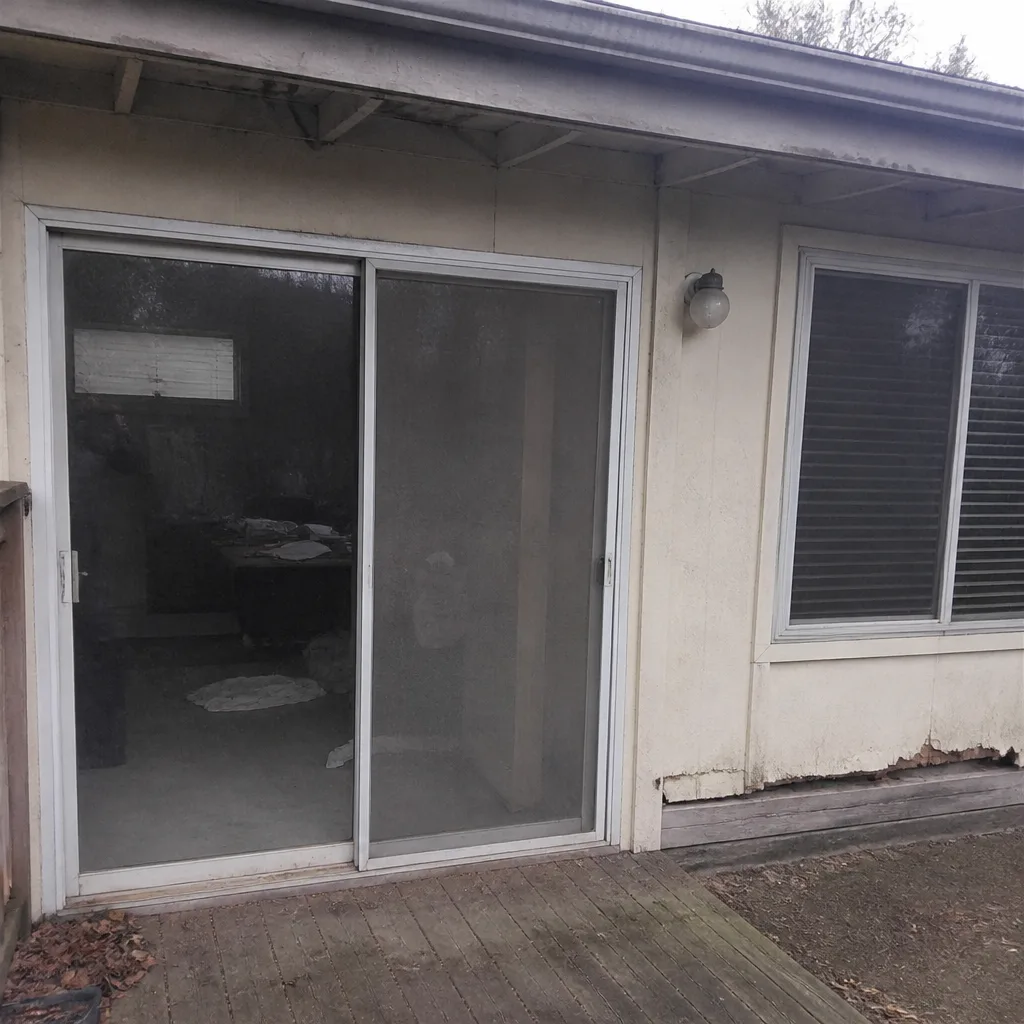 Before
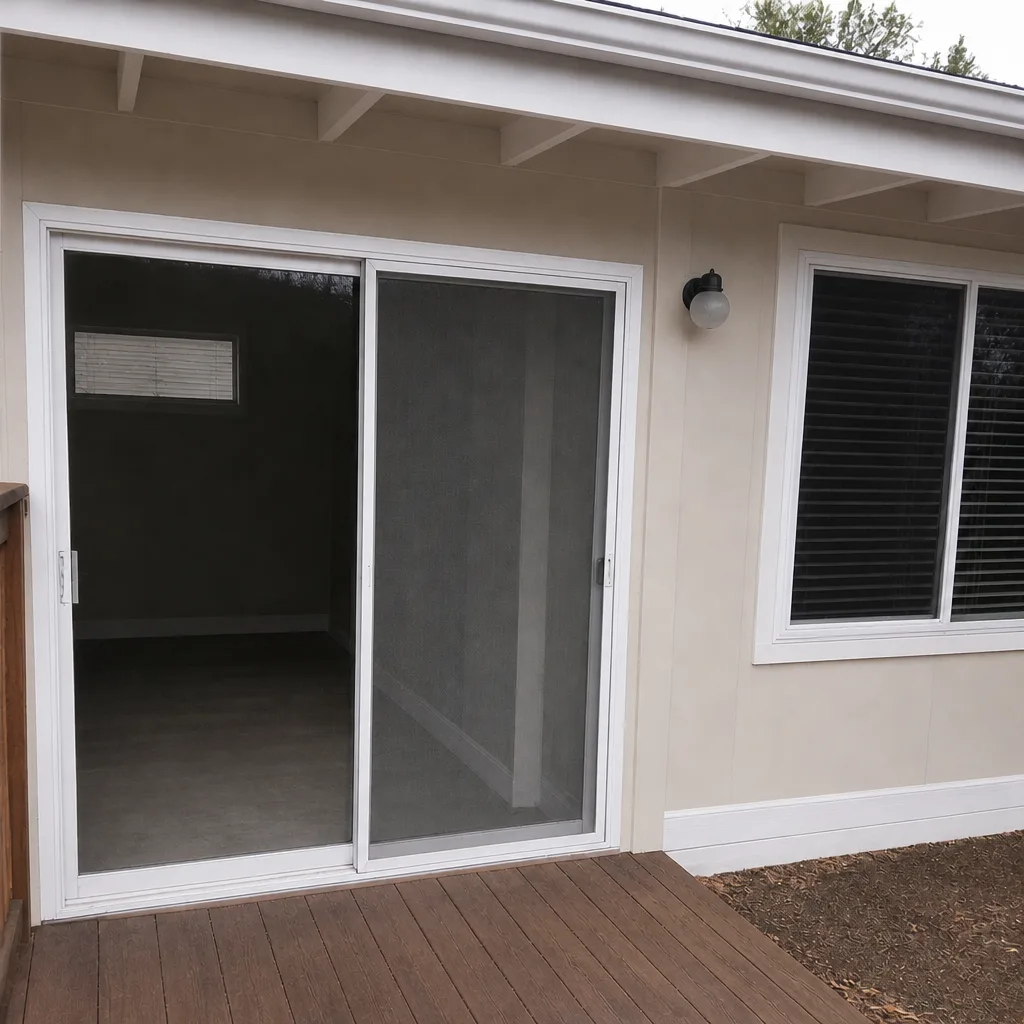 After
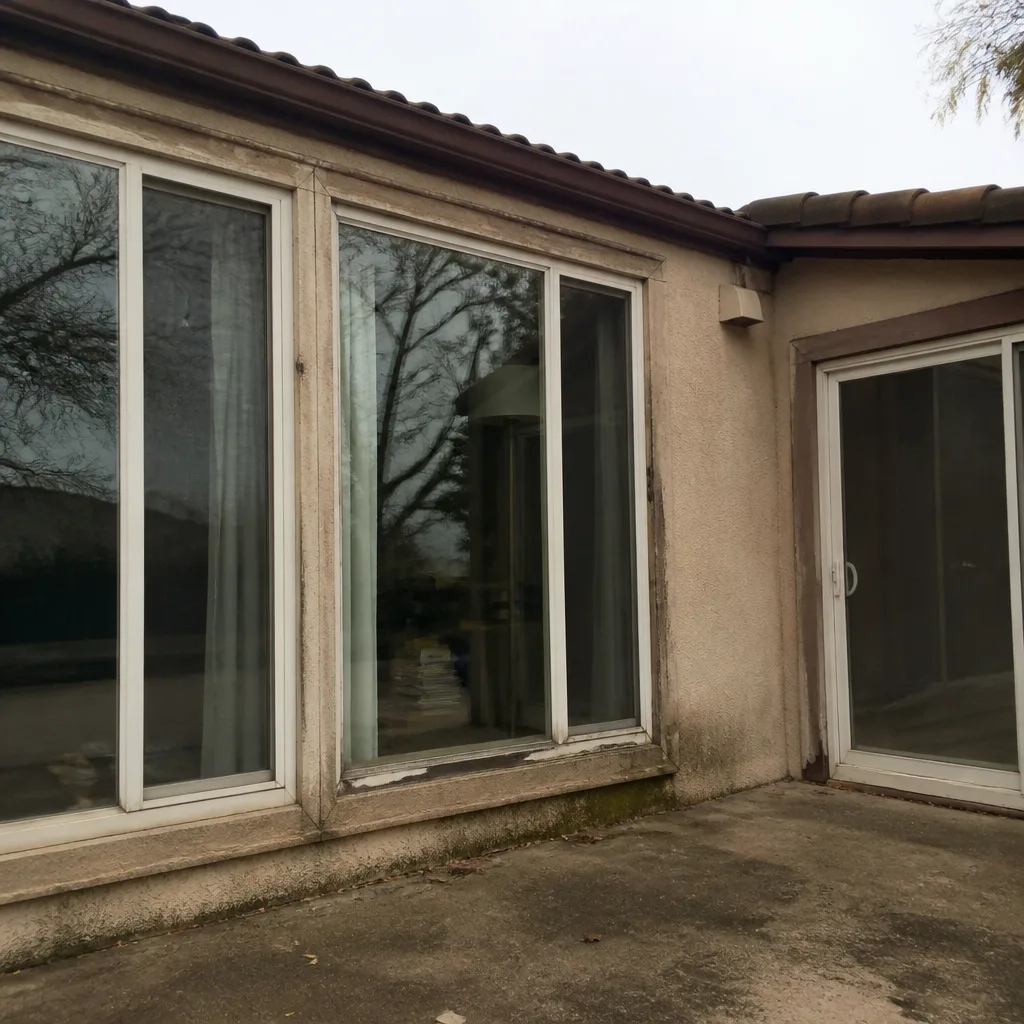 Before
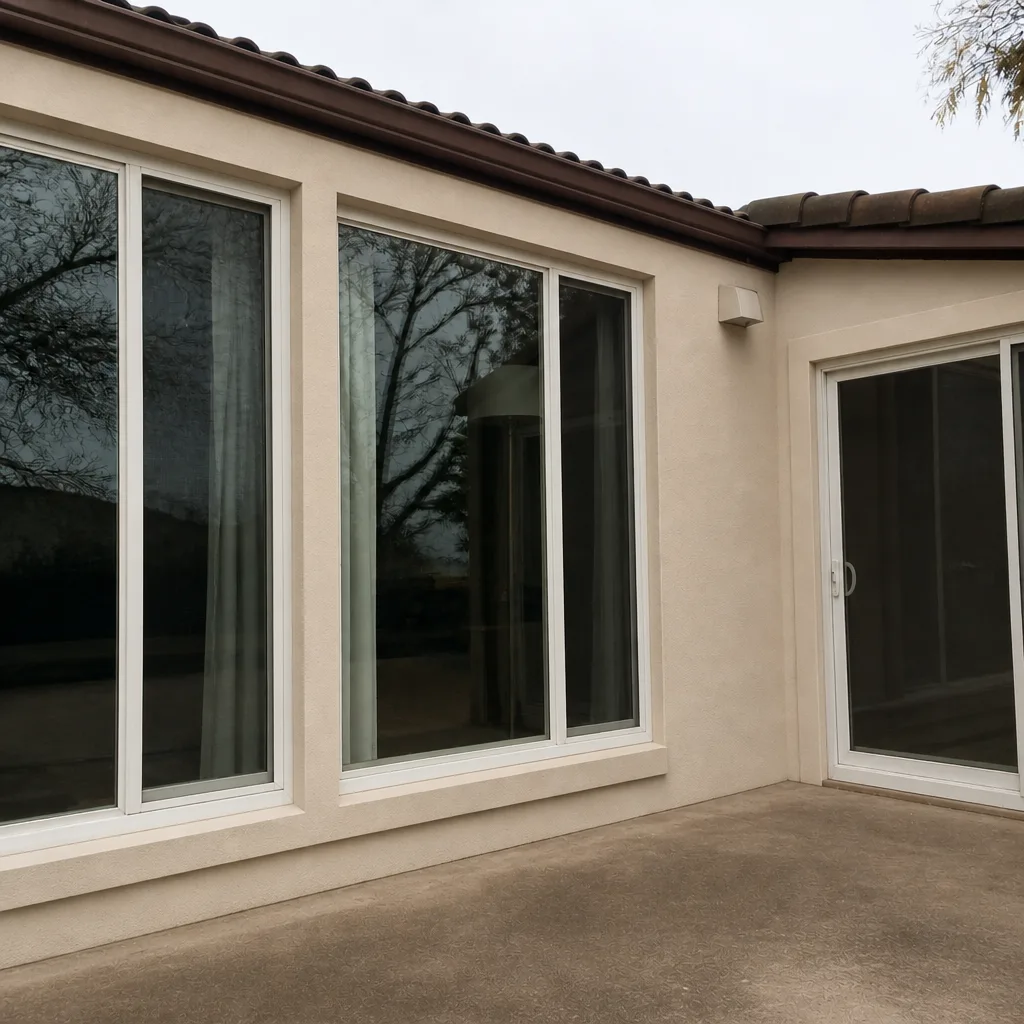 After
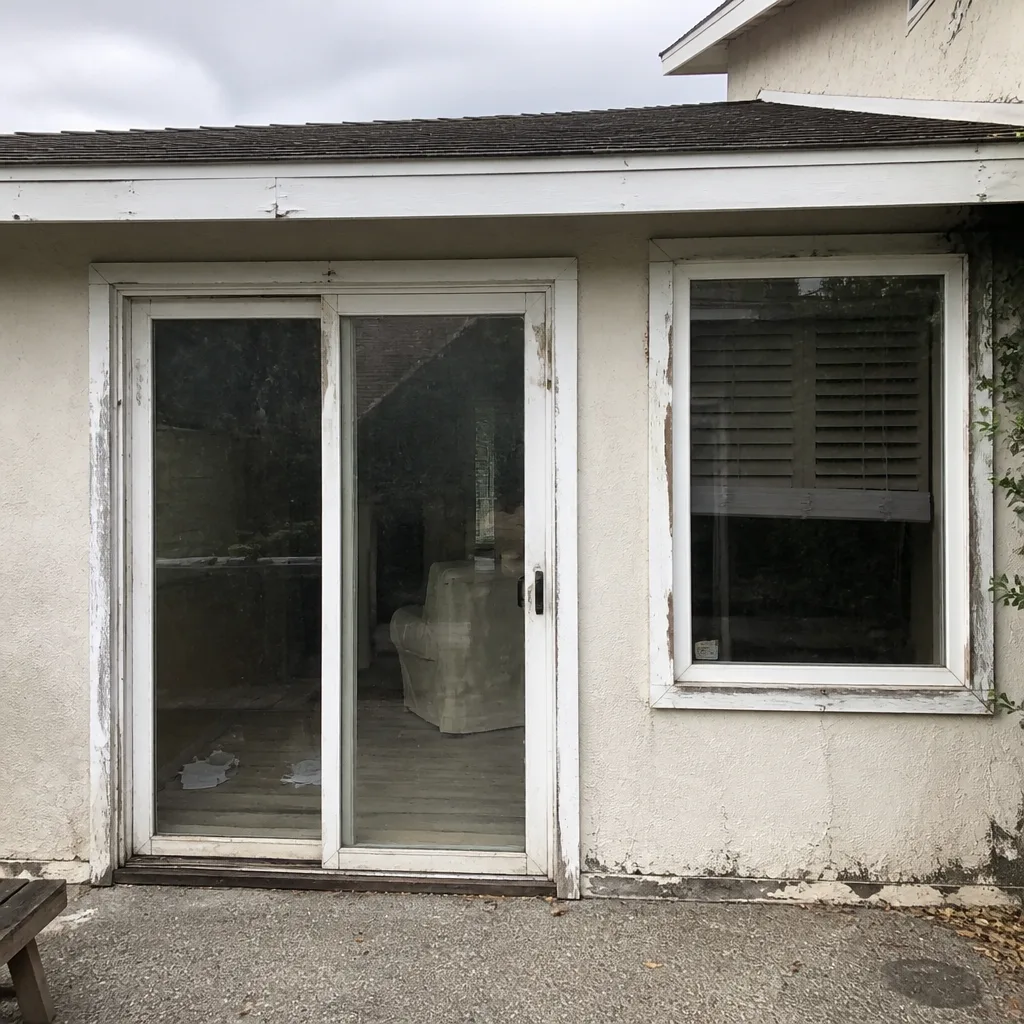 Before
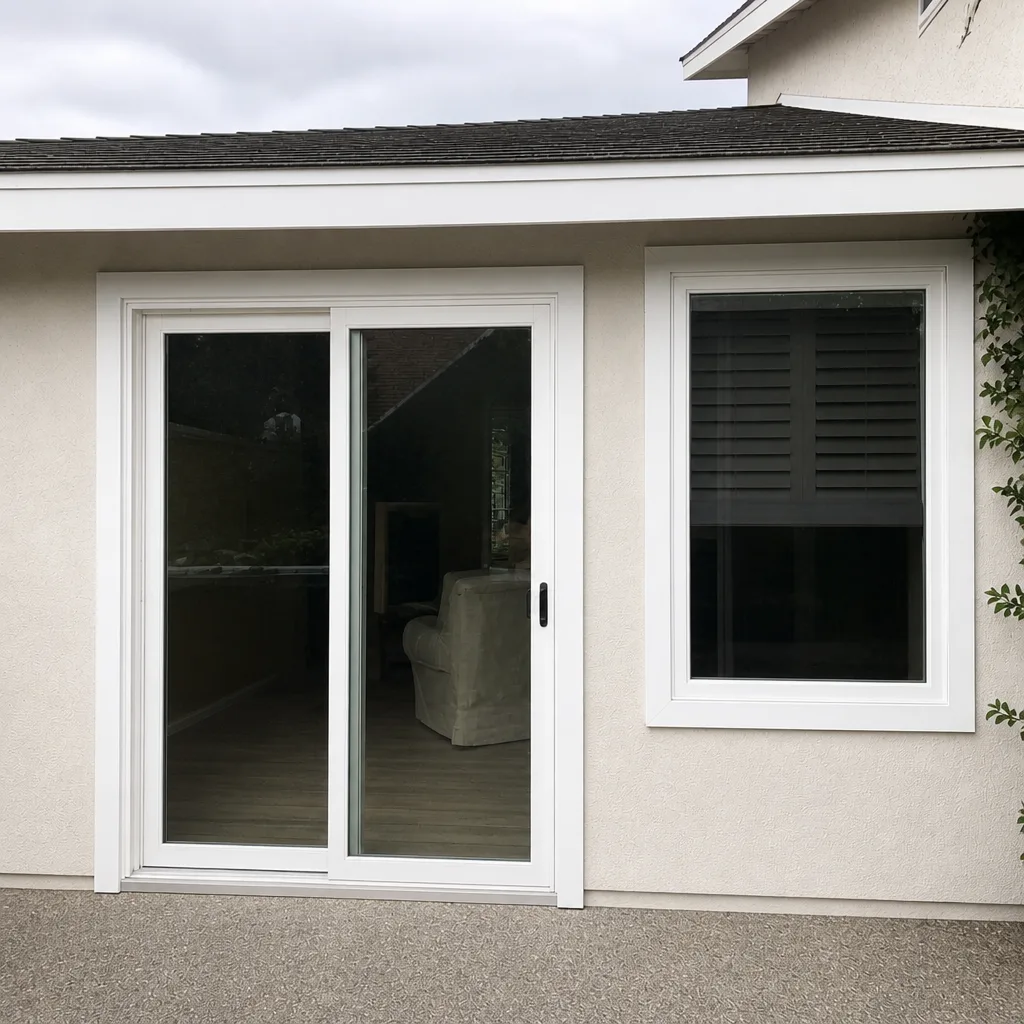 After
When to Call a Professional
If a window or door has a visible frame crack after a seismic event, if a bedroom window no longer meets egress dimensions, or if a window unit has fogged between the panes and lost its insulating value, that’s the point to involve a specialist. If you’re in a WUI zone and your windows are single-pane or have failed seals, that’s also a call to make sooner rather than later. Window Replacement Folsom offers free estimates in Folsom. We install and replace windows and doors only, we carry eight professional-grade brands, and our technicians have up to 8 years of experience. Call (279) 321-4976 to schedule your free estimate.
Frequently Asked Questions
Laminated impact-rated glazing with a proper perimeter seal is the strongest protection. Windows that meet ASTM E2886 ember resistance testing, such as PGT and CGI impact-rated lines in our portfolio, give you a measured barrier against ember intrusion. If you’re in a WUI zone in Folsom, ask for that evaluation in writing before you buy. Call (279) 321-4976 for an exact quote; estimates are free.
Yes. Every bedroom in Folsom needs at least one window that meets emergency escape and rescue opening requirements: a minimum net clear opening of 5.7 square feet, a minimum width of 20 inches, a minimum height of 24 inches, and a sill height no higher than 44 inches from the floor. Many 1990s tract homes slipped out of compliance after a replacement narrowed the opening. Ask for the clear opening to be verified during a replacement. Call (279) 321-4976 to discuss an estimate.
The two highest-impact fixes are a full-perimeter weatherstrip on windows and a door bottom seal on every exterior door. Both close the largest gaps in the envelope. A compression weatherstrip that touches all the way around the sash and a door sweep that meets the threshold reduce fine particulate infiltration measurably. If the door or window is beyond sealing, replacement is the actual answer. Call (279) 321-4976 for a free estimate on replacement.
Start with door alignment: any exterior door that suddenly catches on the strike plate is a sign the frame moved. Then check windows for racking (out of square), sill movement relative to the frame, cracked glass, and sliding door track misalignment. Folsom’s soft clay soils can amplify movement, so don’t dismiss a hairline frame crack as cosmetic. Call (279) 321-4976 if you want a professional to look at the window or door after a seismic event.
No. We price windows and doors on a written line-item estimate before the work starts, and the written estimate sets the final price. If a window frame or door frame needs additional work, we flag it before we start, not after. Call (279) 321-4976 for your free estimate.
No. We install and replace windows and doors only. When a window unit has failed after an emergency, replacement is the safe answer, not a repair of the existing unit. Our services cover window replacement, window installation, door replacement, sliding door replacement, and entry door replacement, with a minimum of three openings per project. Call (279) 321-4976 for an estimate.
The Bottom Line
Emergency preparedness for a Folsom home starts with windows and doors, and it starts before the season, not during an event. Laminated impact glazing in fire-prone zones, verified egress dimensions in every bedroom, a proper weatherstrip and door bottom seal for smoke events, and a post-quake check of frames and sills are the four things that actually change the outcome. When a window or door has failed, replacement is the answer. We specialize in windows and doors only and carry PGT, CGI, and ES Windows lines alongside the rest of our eight-brand portfolio. Call (279) 321-4976 for a free estimate.
Window Replacement Folsom installs and replaces windows and doors across Folsom, and our technicians have up to 8 years of experience. If you want a straightforward conversation about which products make sense for your home, we’re here to help. Call (279) 321-4976 to schedule your free estimate.
Written by the team at Window Replacement Folsom.