Last updated November 25, 2026
 Sliding glass doors
 Single hung
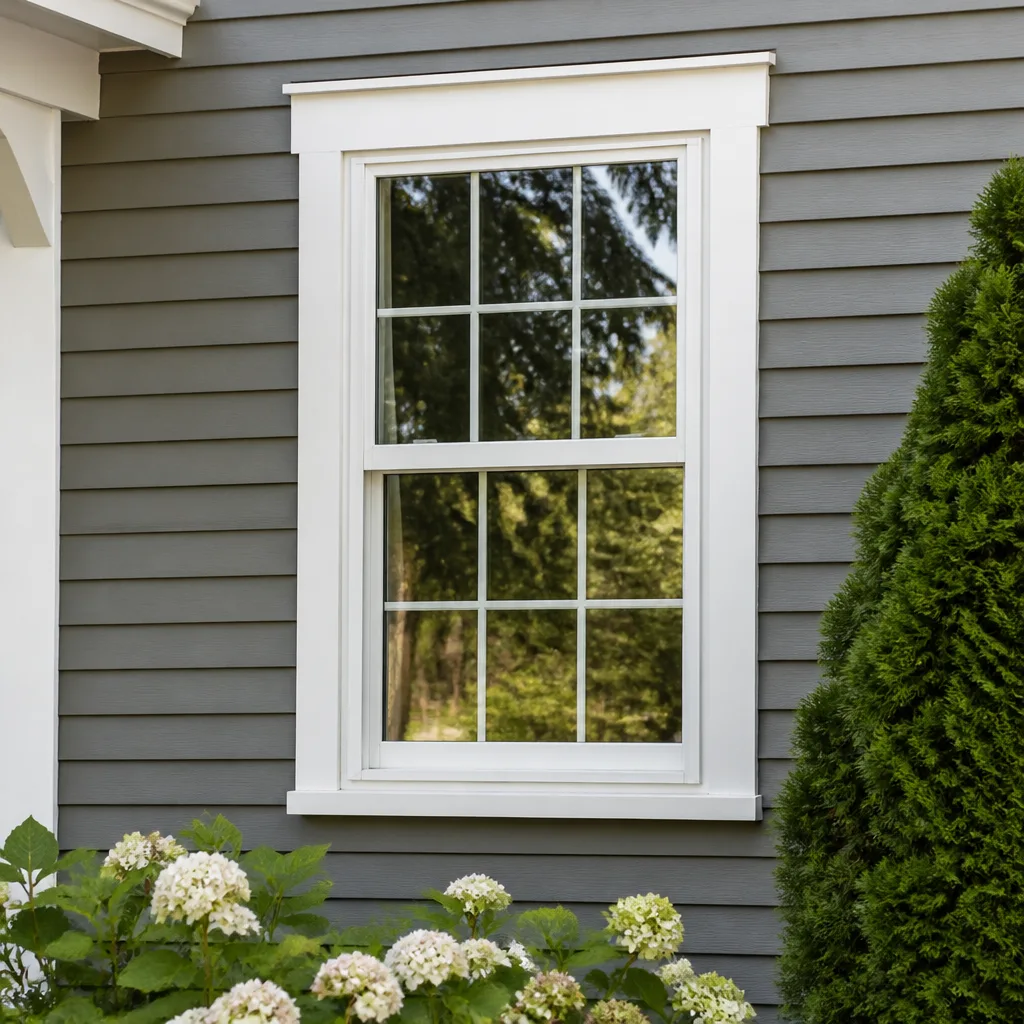 Double hung
 Horizontal roller
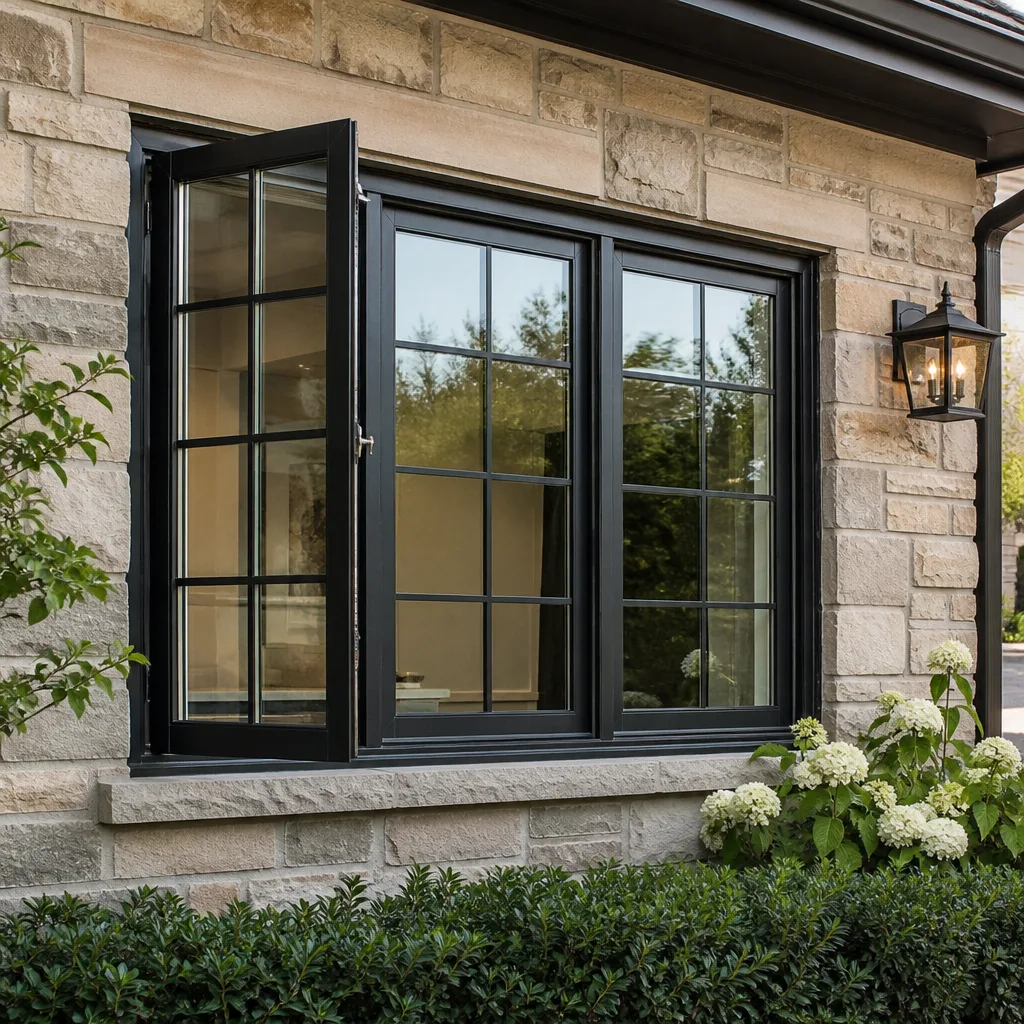 Casement
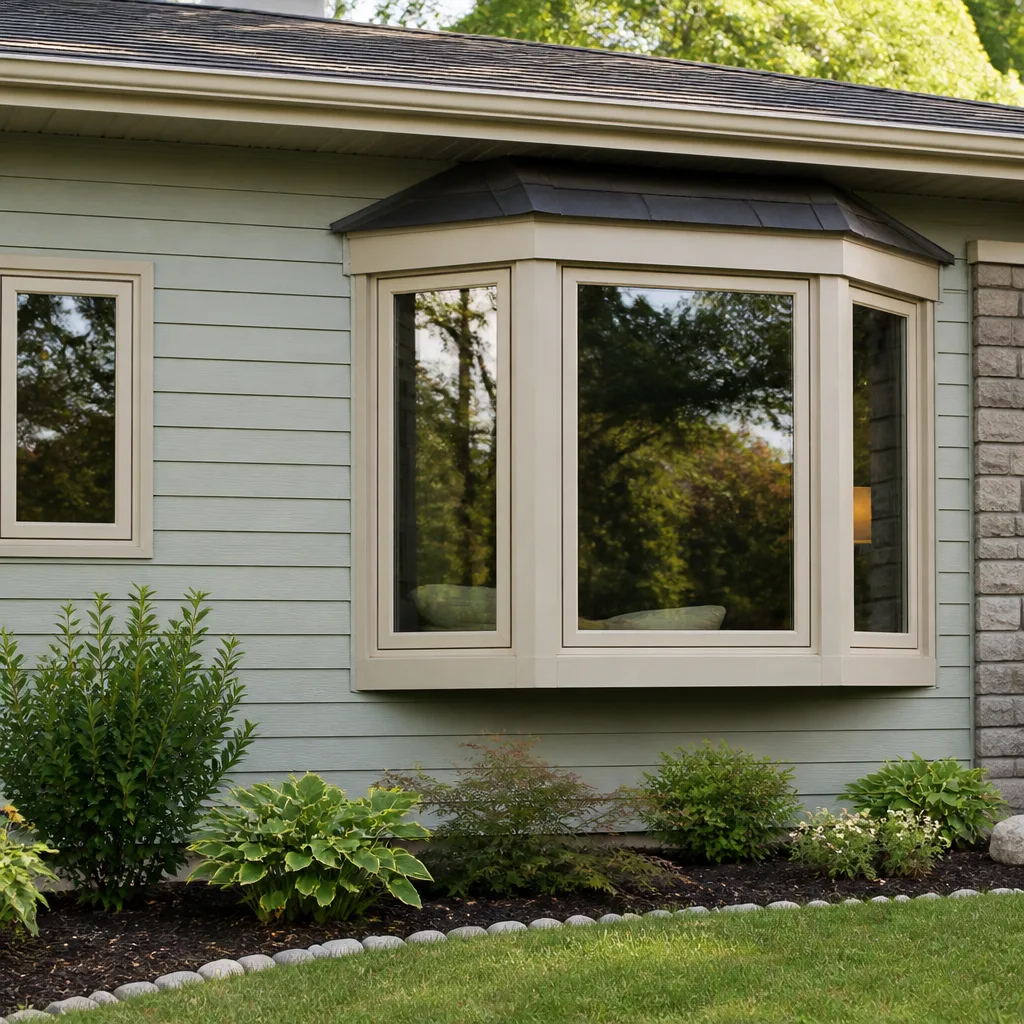 Bay & bow
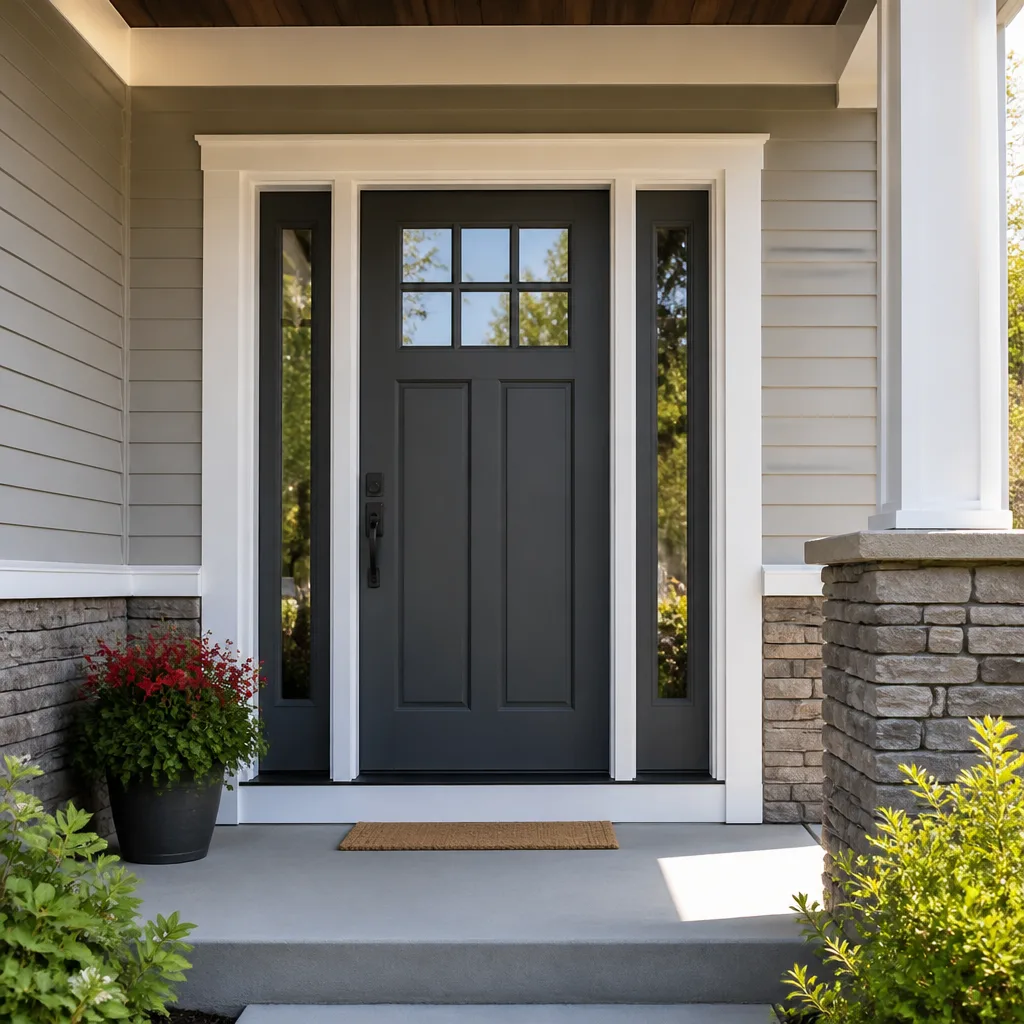 Entry doors
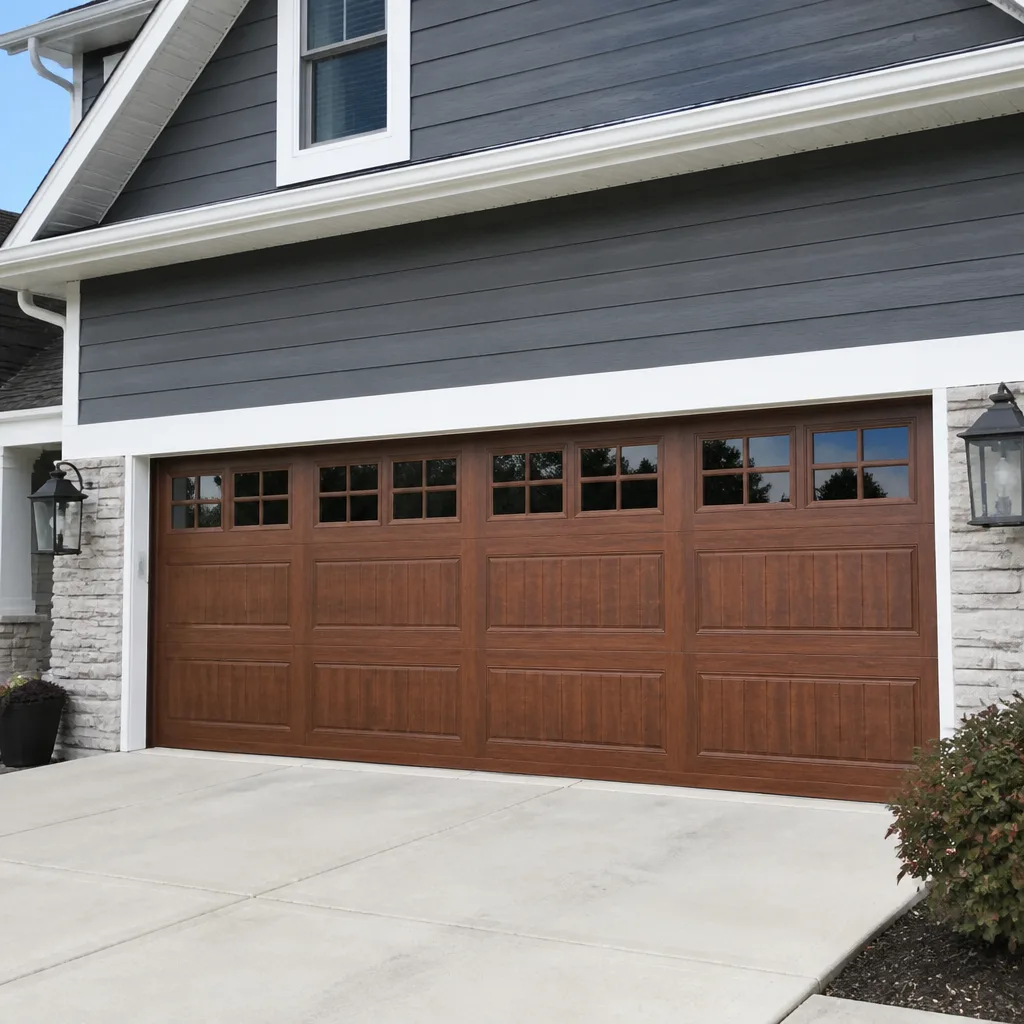 Impact garage doors
 PGT
 CGI
Free in-home measure and quote - PGT, CGI and CWS impact lines compared on your actual openings, style by style
Get your free estimateWindows & Doors Warning Signs: A Folsom Homeowner’s Reference Guide
A door that sticks in August but swings fine in December isn’t a hardware problem. In Folsom, it’s usually a framing or slab issue, and a new door slab alone won’t solve it. Folsom’s clay-heavy soil moves with the seasons, and post-tension slab foundations pass that movement straight to the door frame, which is why so many homeowners misdiagnose it as worn hinges or a swollen slab. The same pattern shows up in windows: fogged glass gets blamed on humidity, rising energy bills get blamed on the HVAC system, and faint rattling gets blamed on the neighbor’s project. Each of those is a diagnosable failure with a specific cause. This guide teaches you to read the symptoms correctly, before a small issue grows into structural damage.
Quick Answer
Windows and doors in Folsom fail in predictable ways: condensation between panes means the insulated glass unit seal has failed, a door that sticks seasonally points to framing or slab movement rather than hardware, and a summer cooling bill that jumps 15 to 20 percent with no HVAC explanation often traces to a deteriorated low-e coating. Catching these signs early lets you pick the right replacement instead of paying for a fix that doesn’t address the cause.
Styles & brands we work with
- Single hung
- Double hung
- Horizontal roller
- Casement
- Bay & bow
- Sliding glass doors
- Entry doors
- Impact garage doors
- PGT
- CGI
Table of Contents
- Condensation: On the Glass or Between the Panes?
- Why Doors Stick Seasonally in Folsom
- Using Sound to Catch Seal Failure Early
- Water Intrusion Patterns in Folsom Storms
- The Energy Bill as a Diagnostic Tool
- Warning Signs by Window and Door Type
- How to Triage a Problem in Four Steps
- When a Sign Means Replace, Not Patch
Condensation: On the Glass or Between the Panes?
The first sign most Folsom homeowners notice is water where water shouldn’t be. Where that water sits tells you almost everything. Surface condensation is normal. Condensation sealed between the panes is a seal failure, and that’s a different conversation.
Interior surface condensation happens when warm, moist indoor air meets cold glass. In Folsom’s dry climate, this is relatively rare, so a window that fogs on the room side usually points to a local source: a bathroom without proper ventilation, a kitchen hood that doesn’t exhaust outdoors, or a house full of plants clustered near one wall. Manageable. Fix the moisture source and the fogging stops.
Condensation between the panes is a different animal. The insulated glass unit, or IGU, is a sealed sandwich of glass, spacer, and desiccant. When that perimeter seal breaks, moisture gets inside, and the desiccant saturates. The result is a milky haze, a white powder-like film, or visible water droplets trapped in the gap. You can’t wipe it off because it’s not on a surface you can reach. No amount of interior humidity control will clear it.
Here’s how to tell them apart in thirty seconds:
- Wipe test. Run a dry cloth across the glass. If the moisture comes off, it’s surface condensation.
- Angle test. Look at the window from a sharp angle against a dark background. Trapped moisture shows as a distinct hazy layer or droplet pattern inside the assembly.
- Temperature test. If fogging shows up on mild, dry days when other windows stay clear, that unit’s seal is compromised.
- Permanent stain test. A film or stain that has been there for weeks and never disappears is inside the unit.
Between-the-panes fogging is the more serious finding. Most manufacturers treat IGU seal failure as a warranty matter, so check the original product documentation before you assume you have to pay for a full replacement. Glass-specialty lines like Mr-Glass are worth asking about when a specific pane has failed, since a full window replacement may not be necessary when the glass is the problem.
Early warning signs to document on any window in a Folsom home:
- Fogging that persists through mild weather and doesn’t wipe away
- A white or gray film that slowly spreads from the edges inward
- Water droplets visible inside the glass sandwich
- Reflections that look distorted or wavy when viewed at an angle
- Fogging that reappears within days after a “cleaning”
Why Doors Stick Seasonally in Folsom
A door that sticks in late summer but swings freely in winter is not a hardware problem. It’s almost always a story about framing or slab movement. In Folsom, where clay-heavy soil swells and shrinks with moisture, post-tension slab foundations move more than most Sacramento-area homeowners expect. That movement shows up first at the points where the house has the least tolerance for it: door openings.
The key is diagnosing which element is actually moving before you spend money:
- Check the reveal. Look at the even gap between the door slab and the frame at the top, hinge side, and strike side. If the gaps are uneven and change with the season, the frame is moving.
- Check the strike plate. If the latch misses the strike plate during the sticky season but engages cleanly later, the door or frame is shifting, not just the hinges.
- Check the top corner. A gap that opens up at one top corner is a classic sign of slab or frame movement rather than sagging hinges.
- Check the floor transition. If the door scrapes at the bottom during the sticky season and doesn’t touch the threshold at other times, you’re looking at foundation movement, not a swelling slab.
- Test the latch. A door that latches with effort, then requires a lift or push, is telling you the strike side has shifted.
If any of those tests points to frame or slab movement, a new door alone will not solve the problem. Replacing the door on a moving frame just delays the same symptom. The right step is to have the opening assessed and, where appropriate, to install a door with properly adjustable frame hardware and a slab material engineered to handle seasonal movement. PREMIUM door systems like Therma-Tru are built with insulated cores and adjustable frames that tolerate more of this movement than a basic builder-grade door, which matters in a Folsom home on a slab that moves.
Sticking doors can also come from a simpler cause: expanded weatherstripping, a warped slab, or a hinge that has started to pull. Those are all diagnosable, and all of them should be checked before you spend on a full door replacement. If your inspection points to a door that has reached the end of its service life, that’s the right time to talk replacement and pick a product designed for the local conditions.
Using Sound to Catch Seal Failure Early
Before fogging appears, a failing IGU usually gets noisier. That’s because inert gas, which is part of how many insulated units handle heat transfer, leaks out as the seal degrades, and the unit’s sound-blocking performance drops. The problem is that the change is gradual, so most homeowners don’t notice until the glass fogs. You can detect it earlier with a phone.
A free decibel app is enough. The process is simple, and the comparison between windows is what matters:
- Pick a time with steady outside noise, such as traffic or a mower down the street.
- Stand the same distance from each window in the same room.
- Take a 30-second reading with the window closed and note the average.
- Compare across windows on the same wall. A window reading noticeably higher than its neighbors is a suspect.
- Check that window for early fogging or a slightly wavy reflection.
A single high reading isn’t conclusive. Wind direction, nearby hard surfaces, and room acoustics all affect the number. The useful signal is when one window in the same run of glass reads consistently higher across multiple tests. That pattern is what points to seal degradation rather than the house acoustics.
This matters in Folsom because a window with a compromised seal isn’t just noisier. It’s also allowing more heat transfer, which shows up later on your energy bill. Once sound readings confirm a suspect, look at the glass and then check the unit for visible fogging. If both point the same way, the unit is a candidate for replacement. Products like ViewLux are designed with sound and solar control in mind, so they’re worth a look if the noise you’re hearing is the reason you started checking.
Water Intrusion Patterns in Folsom Storms
Water intrusion is the warning sign most often caught late, because it shows up as a stain rather than a leak. In Folsom, the storms that cause it are usually quick: bursts of short, intense rainfall driven by a north wind. That combination drives water against surfaces you wouldn’t expect during a light rain, and the resulting stains fall into a few predictable patterns.
The most common intrusion points in a Folsom home:
- Top corners on the windward side. North-facing or west-facing window and door corners are the first to take a hit during a north-wind storm. Stains starting there usually point to a flashing problem rather than failing glass.
- Bottom corners and sill plates. Staining along the sill inside the frame, especially with bubbling paint, often points to a failed sill pan, deteriorated caulking, or a blocked weep hole.
- Interior drywall directly below a window. A soft spot or rising tide mark below the frame is almost always flashing or frame failure, not the glass itself.
- Door thresholds. Puddling at the interior base of an entry door during heavy rain is a threshold or sill problem and can usually be traced to how the door was set.
- Sliding door tracks. Water pooling on the interior side of a sliding track points to a blocking or drainage issue with the door unit itself.
The distinction between frame failure and flashing failure matters, because they point to different fixes. Frame failure means the window or door assembly itself has degraded: cracked welds, warped sashes, or deteriorated gaskets. Flashing failure means the assembly is largely fine, but the weather barrier around it isn’t. A technician will look at where the stain starts, whether it spreads from the corner or the full width of the sill, and how the assembly was set into the opening. That diagnosis should come before you buy anything, and for a Folsom home on a post-tension slab, it should include checking whether the movement that shows up in a sticking door is also stressing the window openings. Impact-rated lines like PGT and CGI are built to meet stricter wind and water standards, which is worth considering on north and west facing openings in this area.
The Energy Bill as a Diagnostic Tool
The first sign most homeowners blame on the HVAC unit is actually a window or door problem. A 15 to 20 percent jump in summer cooling cost, with no change to your thermostat habits and no service issue with your air conditioner, is one of the most reliable clues that your glazing has degraded. In Folsom, that spike is common enough that we suggest treating it as a window-and-door first suspect.
Here’s how to use the bill as a diagnostic:
- Compare the same month across years. Pull the cooling bills for July and August of the last two years. A 15 to 20 percent gap with no rate change and no habit change is your first red flag.
- Rule out the HVAC first. If the system is serviced, has proper charge and airflow, and the filter is clean, the unit is probably not the source.
- Identify the wall. West and south facing glass in Folsom takes the most sun. If the rooms on those walls run hotter than the rest of the house, that’s your suspect zone.
- Check the coating. Low-e coatings are what reflect solar heat. When they degrade, the glass still looks clear but lets in more heat. Look for uneven tinting, a slightly warmer feel against the back of your hand when you stand near the glass, or a visible haze.
- Check the doors. An entry or sliding door with a failed sweep, weatherstrip, or seal can leak conditioned air continuously. Run your hand along the closed edge and feel for airflow.
The pattern that points clearly to failed low-e coating is the combination of a summer-only spike, no change in winter heating cost, and a wall of glass that runs warm. When you see that combination, the next step is to have the glazing assessed, not to replace the HVAC unit. Energy-efficient lines like ES Windows and ECO Window Systems are built with solar control as a primary goal, and they’re worth discussing when the diagnosis points that way. For a broader look at how replacement fits into the local market, our window replacement guide covers what to expect, and our window installation page covers the process for new construction and new openings.
Warning Signs by Window and Door Type
Not every product fails the same way. Knowing what to watch for by type shortens the diagnosis:
- Double-hung windows. Watch for sash wobble, a failed tilt latch that lets the sash sit crooked, and fogging in the upper sash more often than the lower. Weatherstrip gaps at the parting bead are a common air leak on older units.
- Casement windows. Watch for a crank that turns harder than it used to, a sash that doesn’t pull tight against the frame, and a gap along the hinge side. Mechanical operators wear down before the glass does.
- Fixed and picture windows. Watch for seal failure (fogging between panes) and a slightly wavy reflection. Fixed units have no moving parts, so any problem is a glass problem or a frame problem.
- Sliding patio doors. Watch for a track that starts to pool on the interior side, a door that jumps the track during heavy use, and fogging on either panel. The seal at the meeting stile is a frequent failure point.
- Entry doors. Watch for daylight around the door when it’s closed, seasonal sticking, a threshold that lets water in, and weatherstrip that stays compressed when you press it.
- Fiberglass and steel doors. Watch for a dull or chalky finish, a panel that has started to delaminate, and a door that no longer sits flush. Insulated cores like those in Therma-Tru entry doors retain their thermal performance only as long as the slab stays sound.
One product note worth raising early: many Folsom homeowners replace a single failed door or window without checking the matching openings. If your home is a single-age build, the units on the same wall were installed at the same time and are likely approaching the same point in service life together. That’s not a reason to replace everything at once, but it’s a reason to have the whole wall assessed so you can plan rather than react.
Our window replacement in Folsom overview covers the full product range we work with, including impact-rated, energy-efficient, and glass-specialty lines.
How to Triage a Problem in Four Steps
When something feels off, this is the order to work through it. Doing it this way keeps you from paying for the wrong fix:
- Identify the symptom precisely. Write down what you see, where it is, and when it appears. “Fogging between the panes on the west wall in August” is a diagnosable description. “Something wrong with the window” is not.
- Separate the glass from the frame. Many window and door problems are frame or flashing issues with healthy glass. Others are glass problems in sound frames. The fix differs, and the cost differs.
- Check the opening before the product. For doors that stick and windows that leak, confirm whether the frame or slab is moving. A new product installed into a moving opening will fail like the old one.
- Document what you find. Photos of the fogging, the uneven reveal, the interior stain, and the energy bill comparison will help a technician confirm the diagnosis quickly. Bring the information to a free estimate and ask specific questions about what they see.
If your inspection produces anything you can’t confidently explain, that’s the moment to call a specialist. We can’t fix a foundation, but we can tell you when a window or door problem is going to come back no matter what product goes into the opening, and we can help you plan the right replacement when the opening is sound.
When a Sign Means Replace, Not Patch
Not every symptom calls for replacement. Here’s the simple distinction we use:
- Between-the-panes fogging on multiple windows points to replacement or glass replacement, depending on the age of the unit and the warranty. This is a failing product, not a failing installation.
- Seasonal sticking doors on an otherwise sound door point to frame or foundation assessment first. The door itself may be fine.
- Continuous water intrusion from one corner, traced to a flash or sill failure, can often be addressed without replacing the unit. But if the interior framing has been wet long enough to soften, the opening should be rebuilt.
- Visible low-e degradation with a matching energy bill spike points to a full glazing replacement on the affected wall.
- Sound degradation alone, with no fogging and no energy change, is a watch item. Don’t replace on one reading. Re-test in a few months and look for the pattern to confirm.
The one consistent rule is this: replace when the product itself has failed and the opening is sound. If the opening is moving or the flashing is compromised, that’s a project scope question, not a product question, and it deserves a straight answer before you spend.
Common Mistakes to Avoid
- Blaming fogged glass on humidity. In Folsom, interior condensation on the glass surface is uncommon enough that a foggy window usually has a broken seal. Treating it as a moisture problem just delays the replacement.
- Replacing an entry door on a moving slab without addressing the opening. The new door will stick exactly like the old one because the opening is what’s moving. Diagnose the frame first.
- Calling the HVAC company for a summer cooling spike before checking the glass. A 15 to 20 percent rise in cooling cost with no equipment issue is a glazing story more often than an equipment story.
- Missing the north and west wind-driven corners. Folsom’s microbursts hit specific corners first. If you only check interior walls after a storm, you miss the early stains on the exterior side of the windward frames.
- Replacing one window in a whole wall without assessing the rest. Windows installed at the same time reach the end of their service life together. Replacing one and ignoring its neighbors is a short-term fix.
- Treating sound changes as noise sensitivity. A single window that reads higher decibels than its neighbors is a spec-level signal. Ignoring it costs you the early window on the seal failure.
- Choosing a general contractor for a window-specific job. Windows and doors have product-specific specification details, especially with impact-rated and energy-efficient lines. A specialist measures, specs, and installs differently.
See the difference
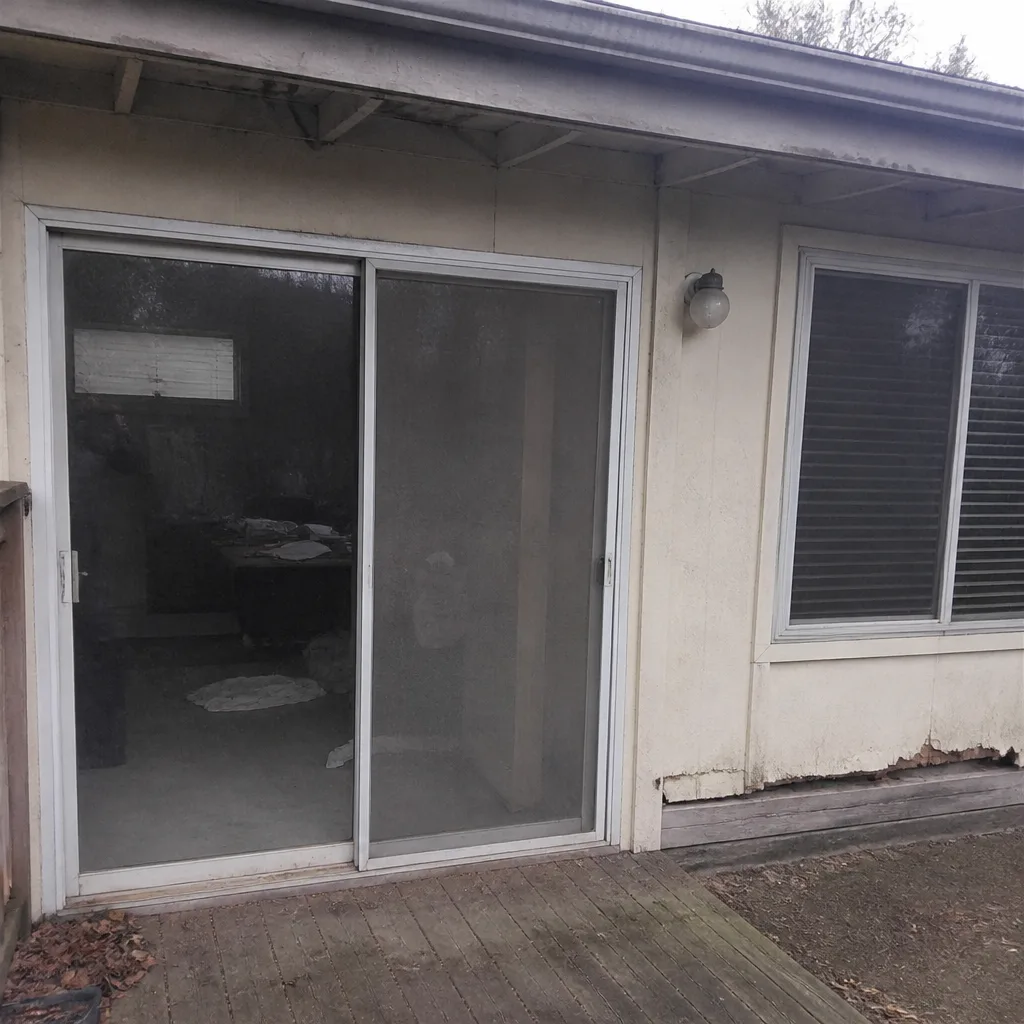 Before
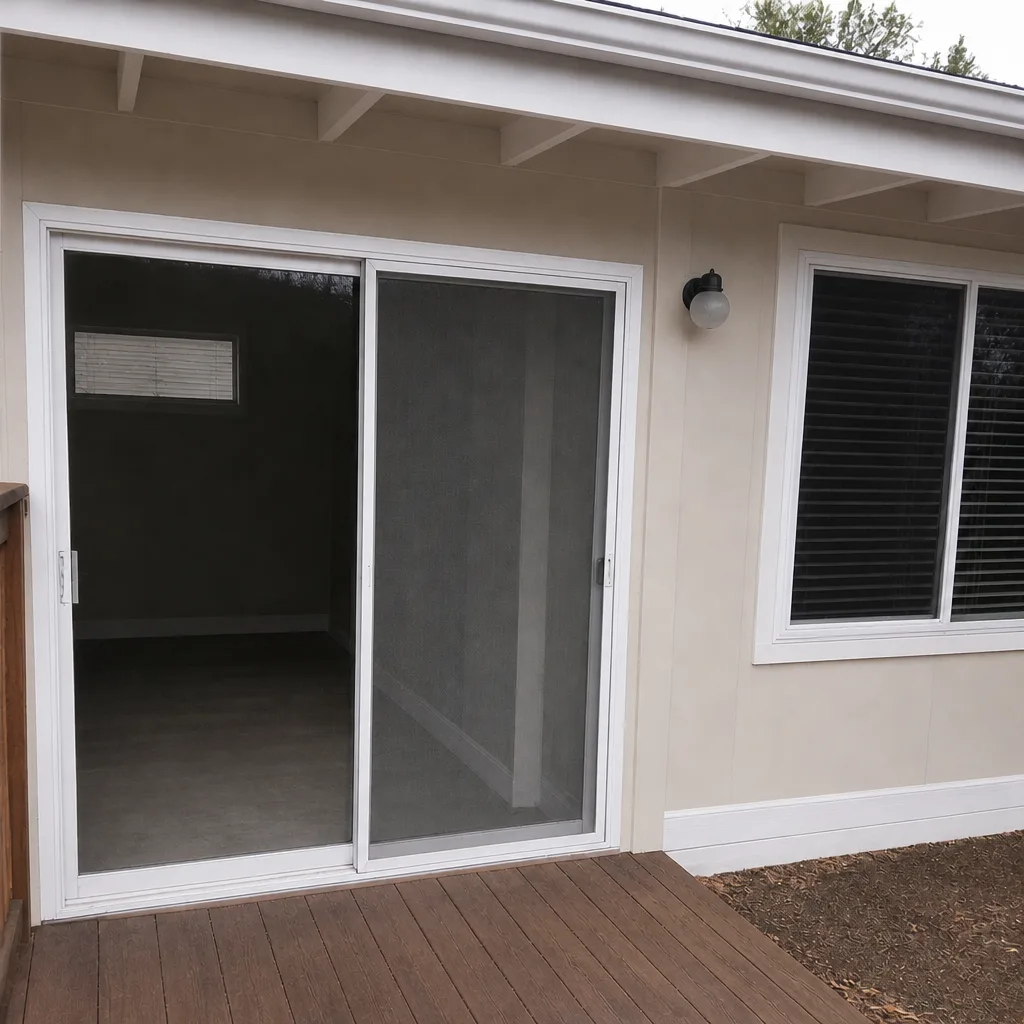 After
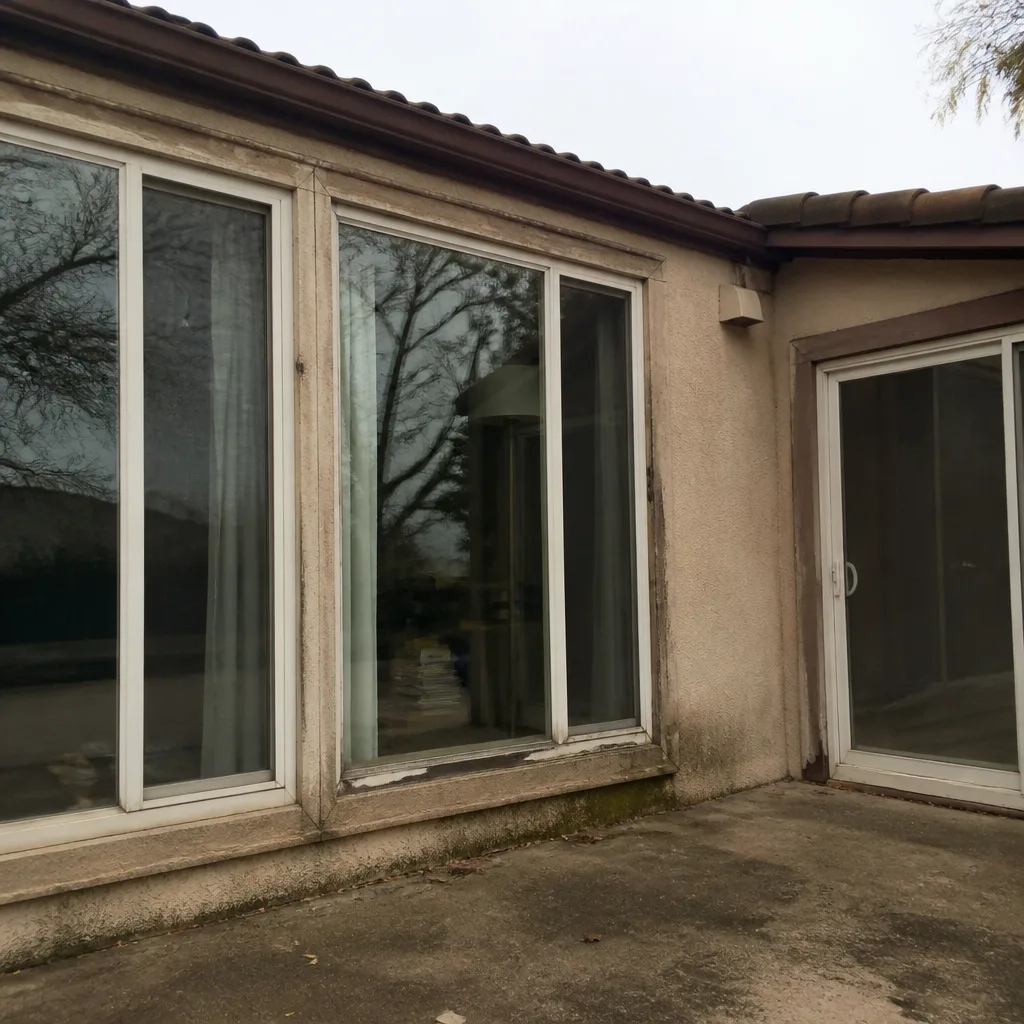 Before
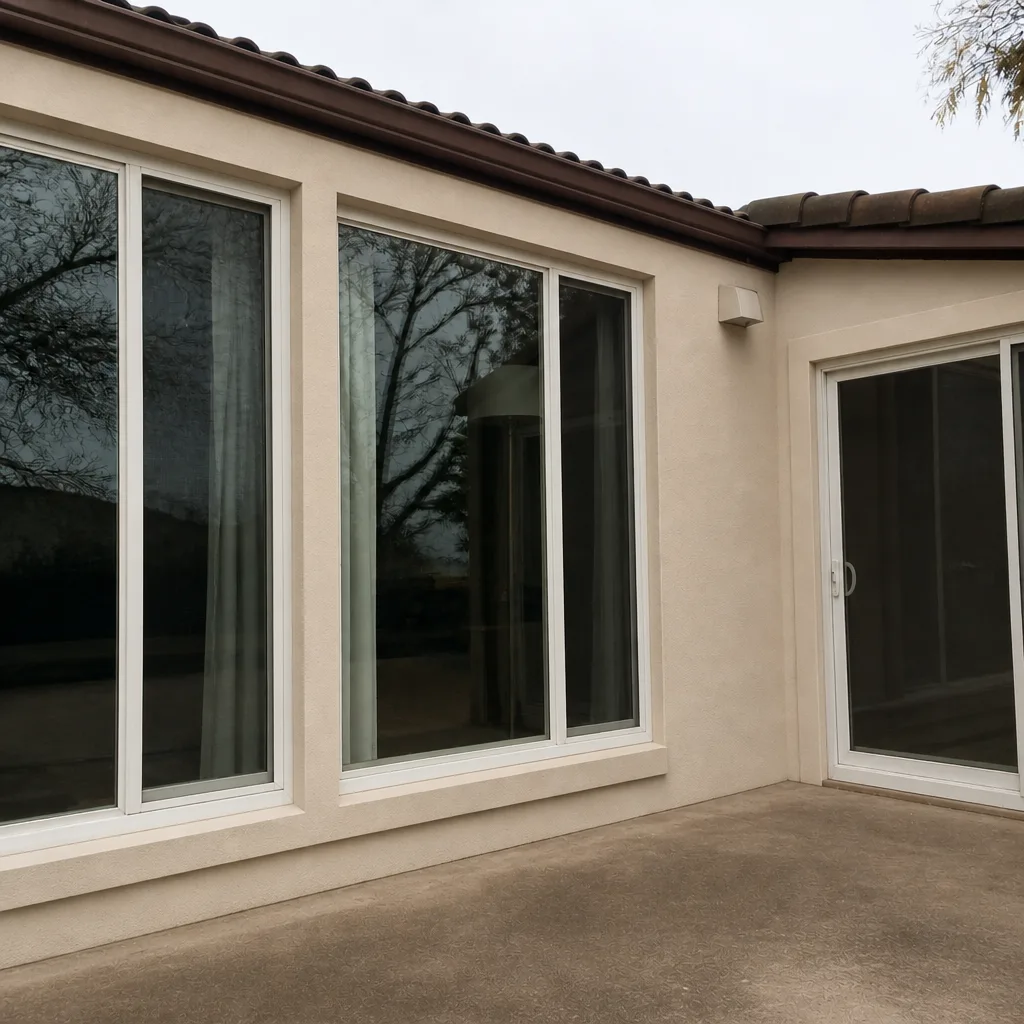 After
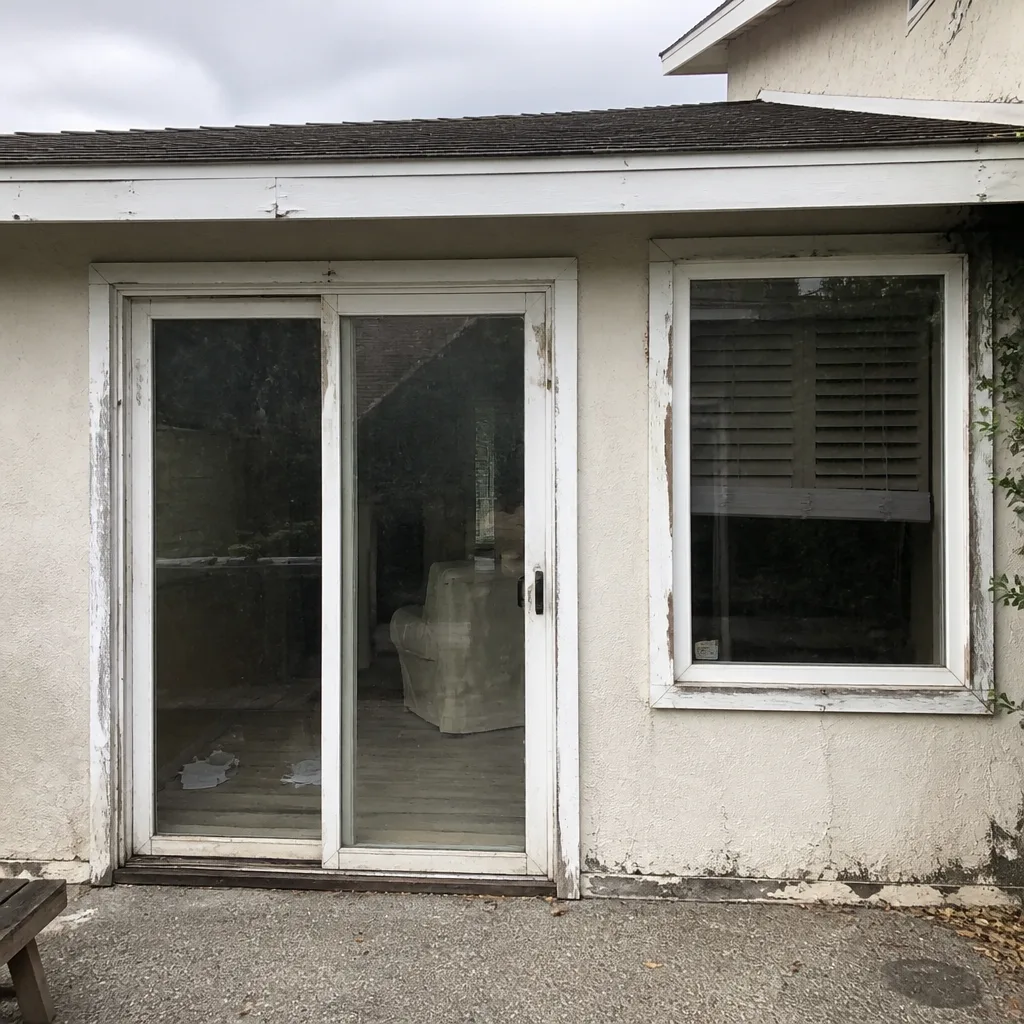 Before
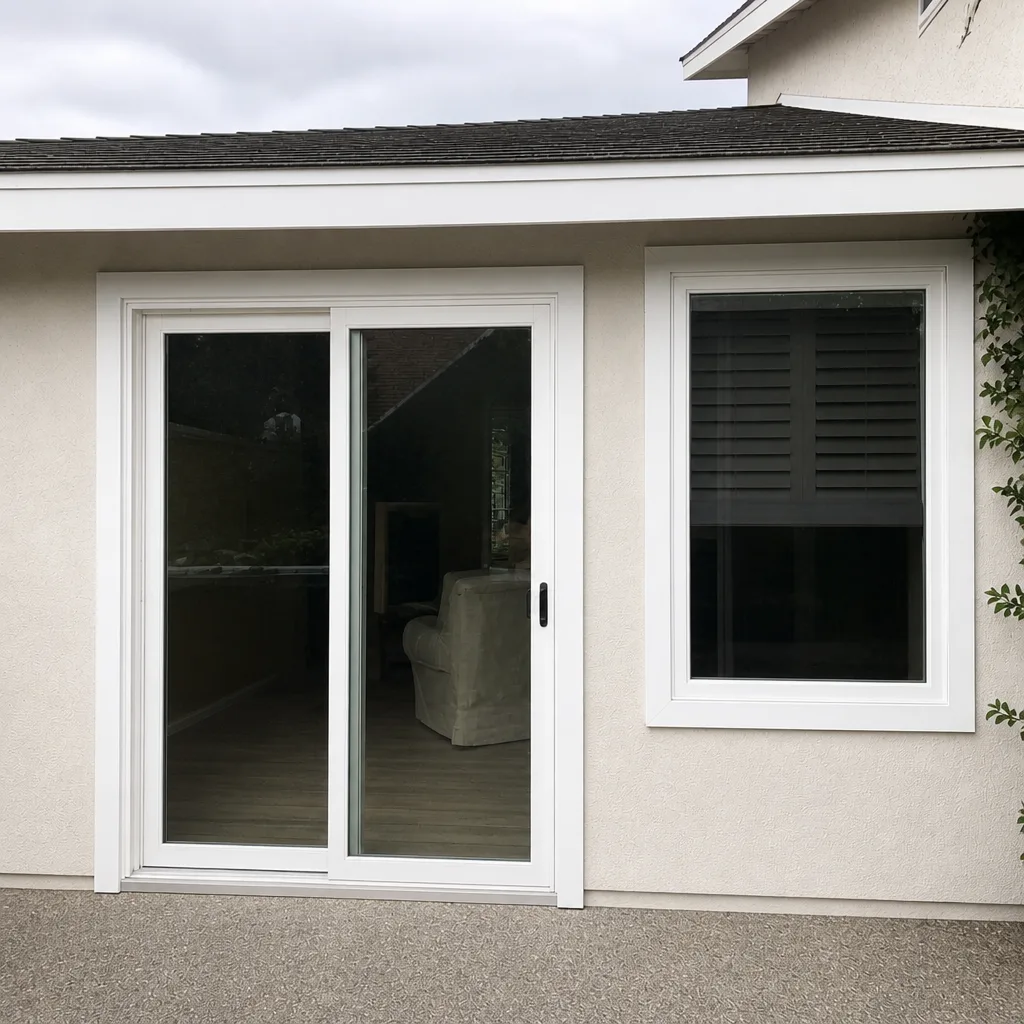 After
When to Call a Professional
Call a specialist when a symptom is ambiguous, when it has returned after a previous fix, or when the pattern crosses categories (a sticking door plus water intrusion plus a heating spike is three symptoms from one root cause). Call when you’re on a post-tension slab and a door has started to stick seasonally, because that diagnosis needs to rule out a frame problem before you buy a door. Call when fogging has appeared between the panes on more than one window, and call when you’ve checked the energy bill, serviced the HVAC, and still see the summer spike. Window Replacement Folsom offers free estimates in Folsom and we work only on windows and doors, so the diagnosis stays focused. We carry eight product lines, from impact-rated PGT and CGI through energy-efficient ES Windows and ECO Window Systems, glass-specialty Mr-Glass and ViewLux, and Therma-Tru entry doors. We handle window replacement, window installation, door replacement, sliding door replacement, and entry door replacement, with jobs of three openings or more. Call (279) 321-4976 for a free estimate.
Our technicians have up to 8 years of experience with the specific product lines we install. If you’re ready to price a project, our door replacement and window replacement pages have the detail you’ll want, and if you have a sliding door that’s showing the symptoms above, that’s part of the same conversation.
Frequently Asked Questions
Fogging between panes means the insulated glass unit’s perimeter seal has failed and moisture has entered the gap, so the desiccant core can’t keep up. Folsom’s dry climate makes this easier to spot because interior surface condensation is uncommon, so any persistent fog is more likely to be inside the glass. Call (279) 321-4976 for a free estimate and we’ll confirm whether the unit is a candidate for glass replacement or a full window replacement.
A door that sticks seasonally usually has a framing or slab movement problem, not a hardware problem. Folsom’s clay-heavy soil swells and shrinks with the season, and post-tension slab foundations pass that movement into the door opening, changing the reveal and the strike alignment. Diagnose the frame first, then decide whether a new door or a door with more adjustable hardware fixes it.
Surface condensation on the room side is not a warning sign by itself, and in Folsom it usually traces to a specific humidity source like a bathroom fan that doesn’t vent well. Condensation inside the glass sandwich is the warning sign, because it means the seal is gone. If you can’t wipe it off, it’s between the panes.
Yes, sound is usually the earliest clue. A free decibel app on your phone can show that one window reads noticeably higher than its neighbors during steady outside noise, and that difference often appears before the fogging does. Use it as a screening tool, then confirm with a visual check and a call for a proper assessment.
A 15 to 20 percent summer cooling spike on an HVAC system that’s been serviced usually points to degraded low-e coating on the west or south facing glass, not the air conditioner. Coating degradation is hard to see, but heat infiltration rises even though the glass looks clear. Check the affected wall before you spend on equipment.
We install and replace windows and doors only, and we handle the permits and inspections the local jurisdiction requires for that work. We don’t do repairs; if a window or door has failed, our scope is replacement or new installation, with a minimum of three openings per project. Call (279) 321-4976 for a free written estimate.
The Bottom Line
Most serious window and door failures in Folsom announce themselves early, and they announce themselves in the wrong language. Fogged glass gets blamed on humidity. Sticking doors get blamed on hardware. A summer cooling spike gets blamed on the HVAC. Once you know the right reading, each symptom points to a specific diagnosis: between-the-panes fogging is a seal failure, seasonal door sticking is a framing or slab issue, and a summer-only energy spike is often failed low-e coating. Diagnose before you replace. When a sign points to a failed product in a sound opening, that’s the moment to act. Call (279) 321-4976 for a free estimate on window or door replacement in Folsom.
Written by the team at Window Replacement Folsom.