Last updated November 25, 2026
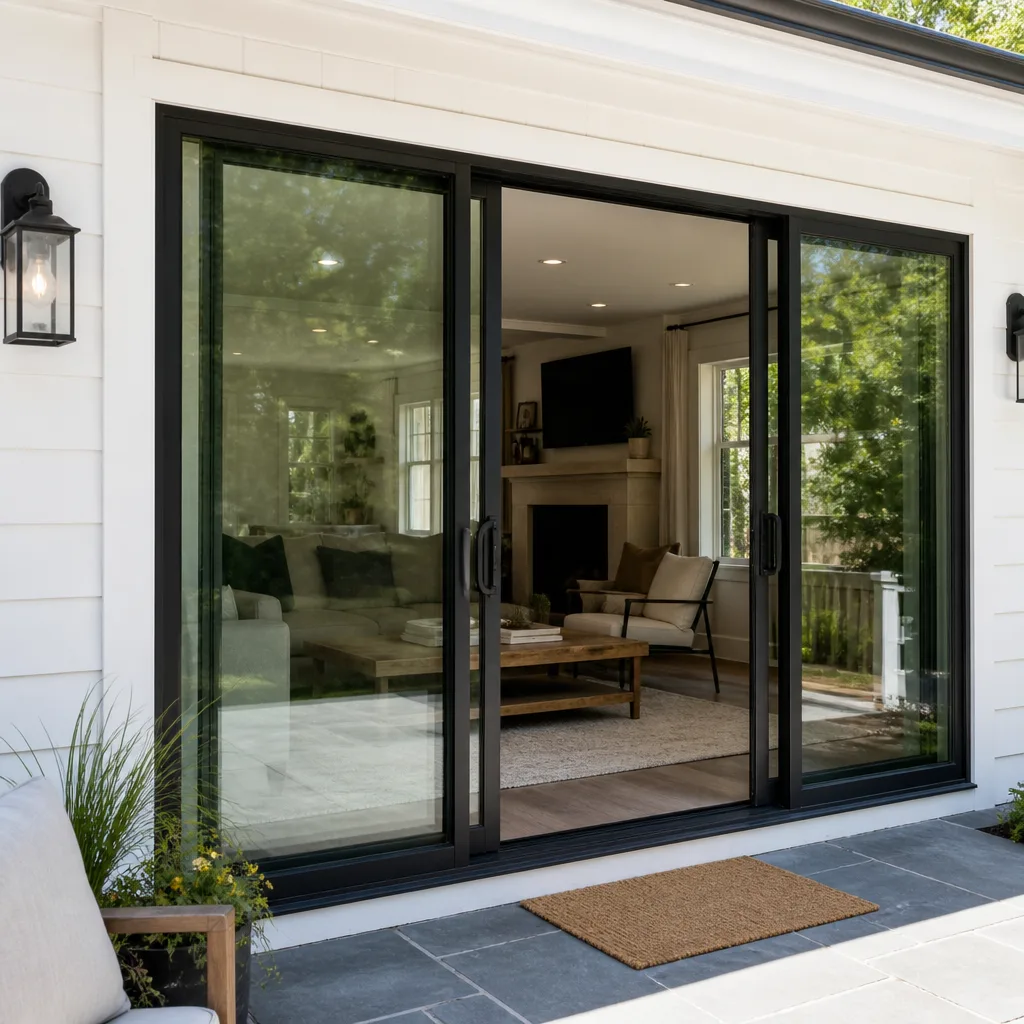 Sliding glass doors
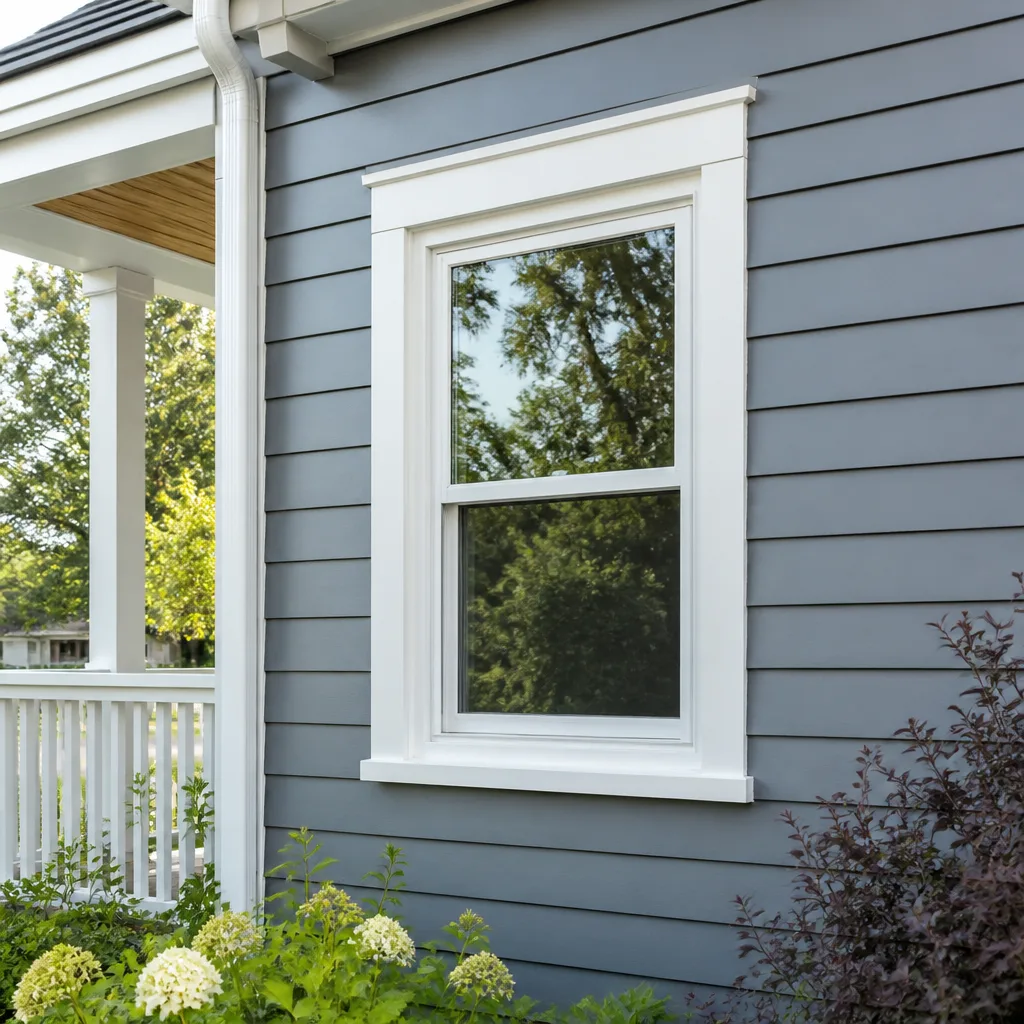 Single hung
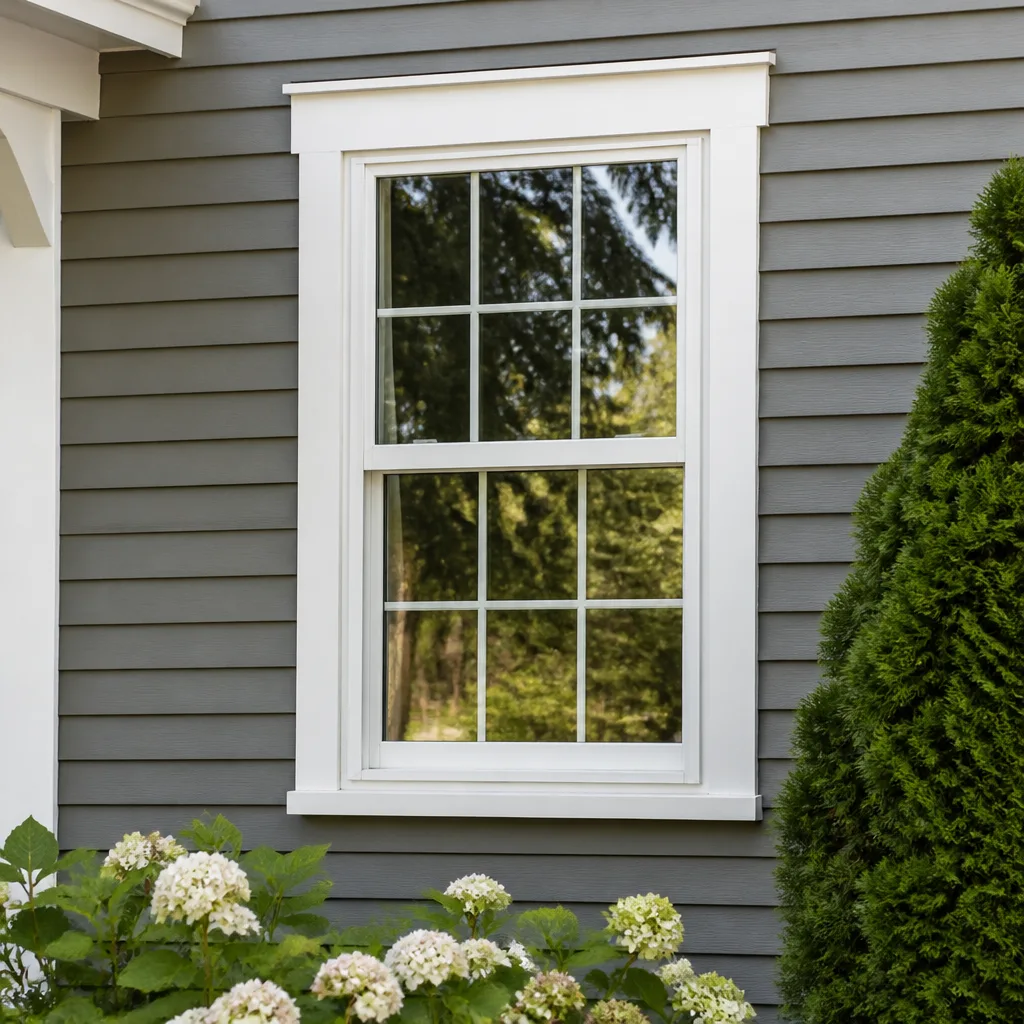 Double hung
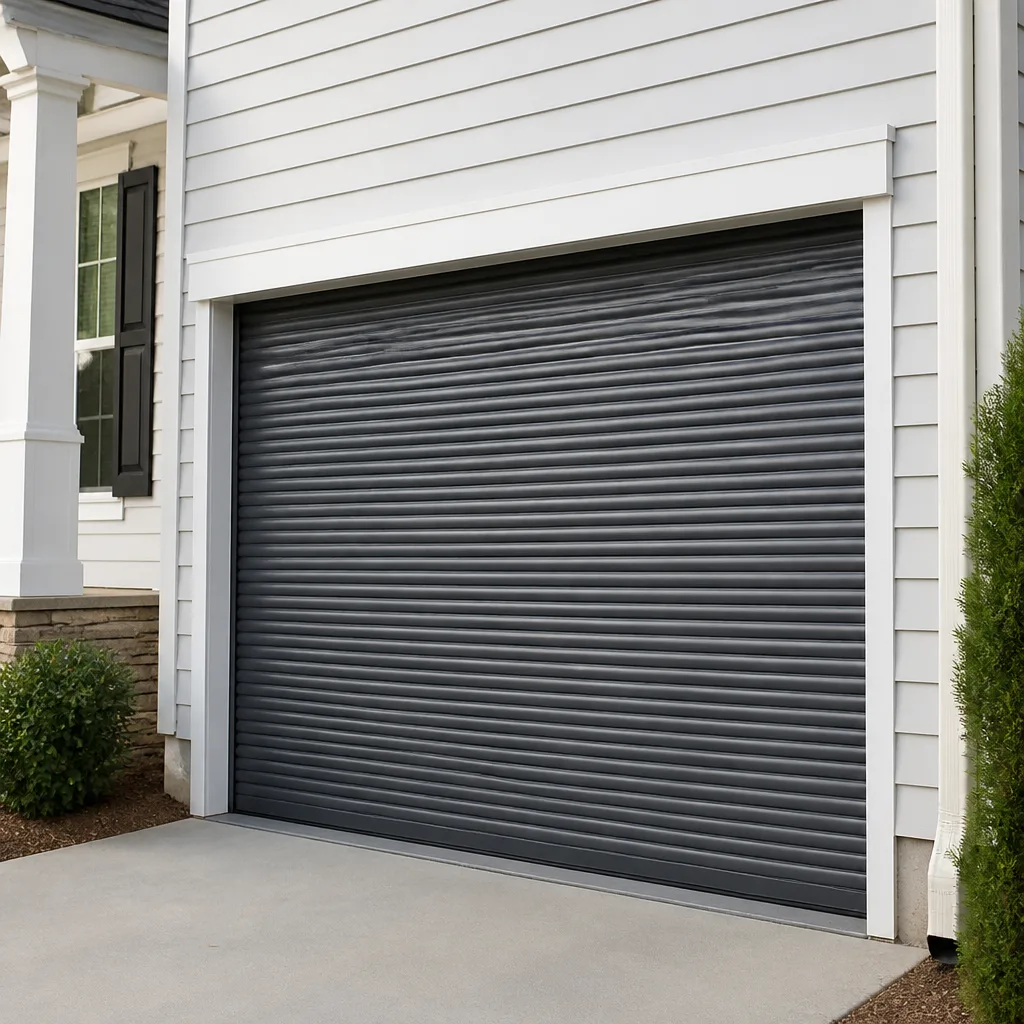 Horizontal roller
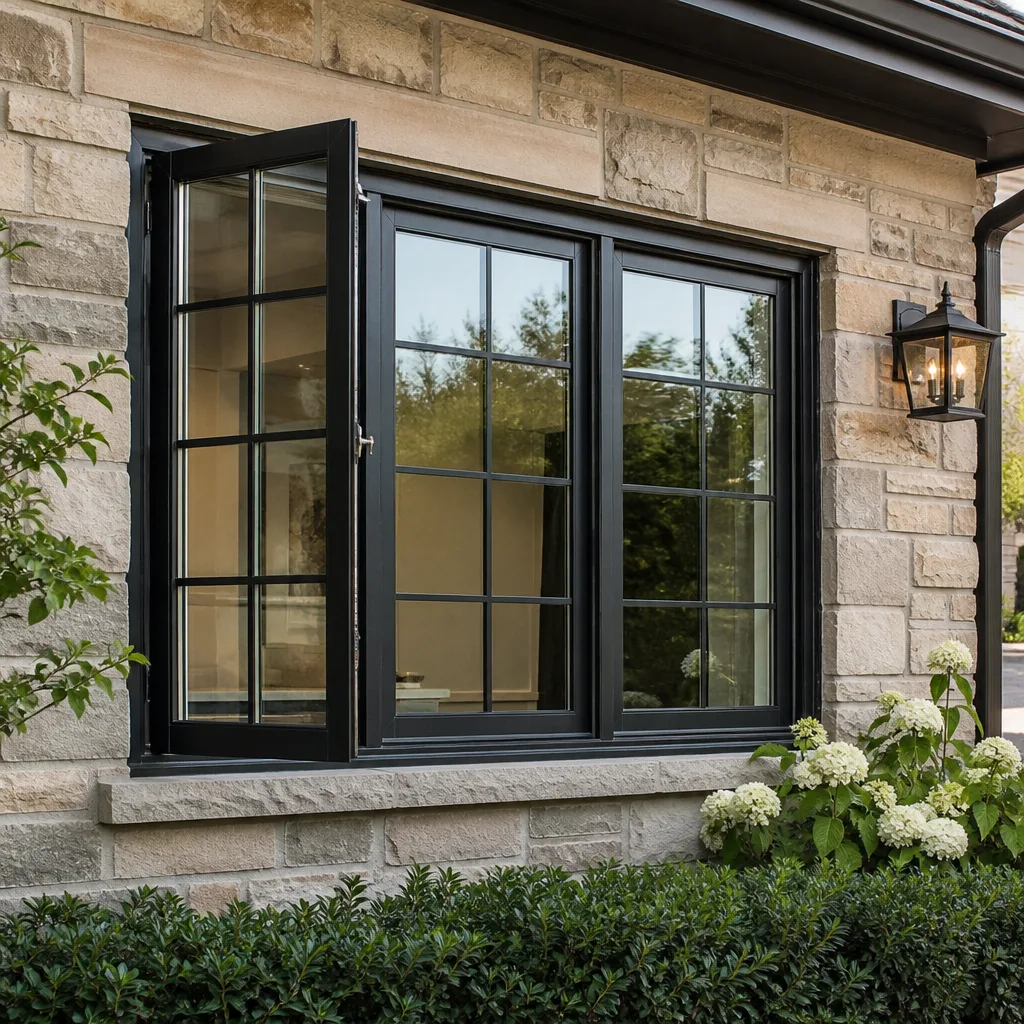 Casement
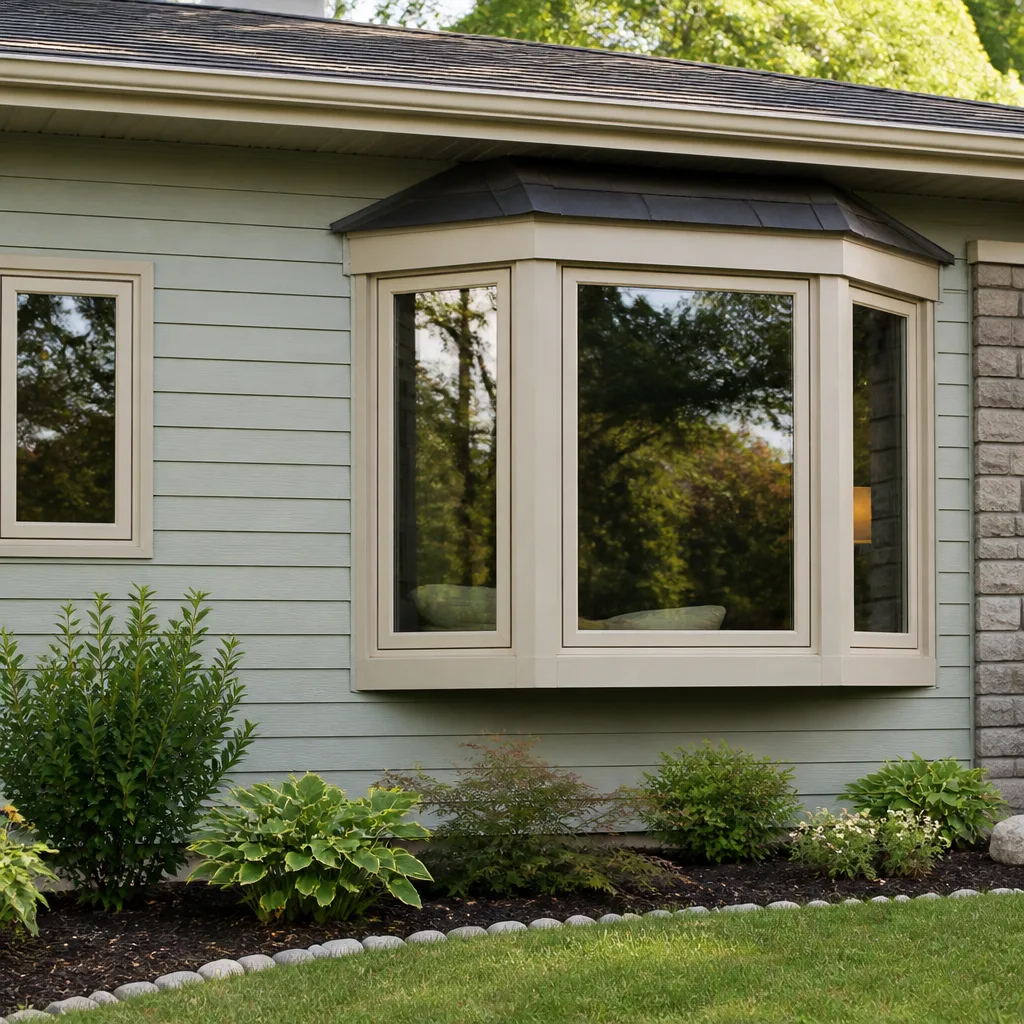 Bay & bow
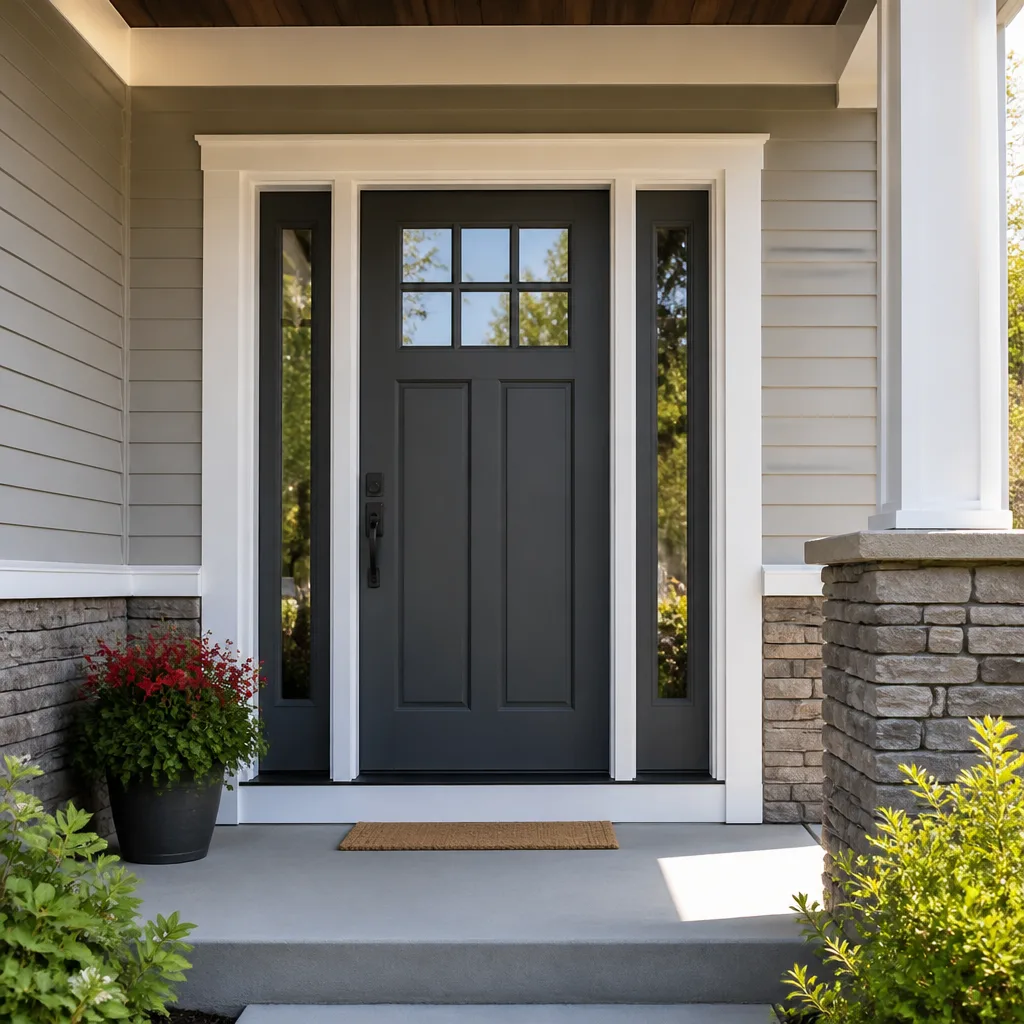 Entry doors
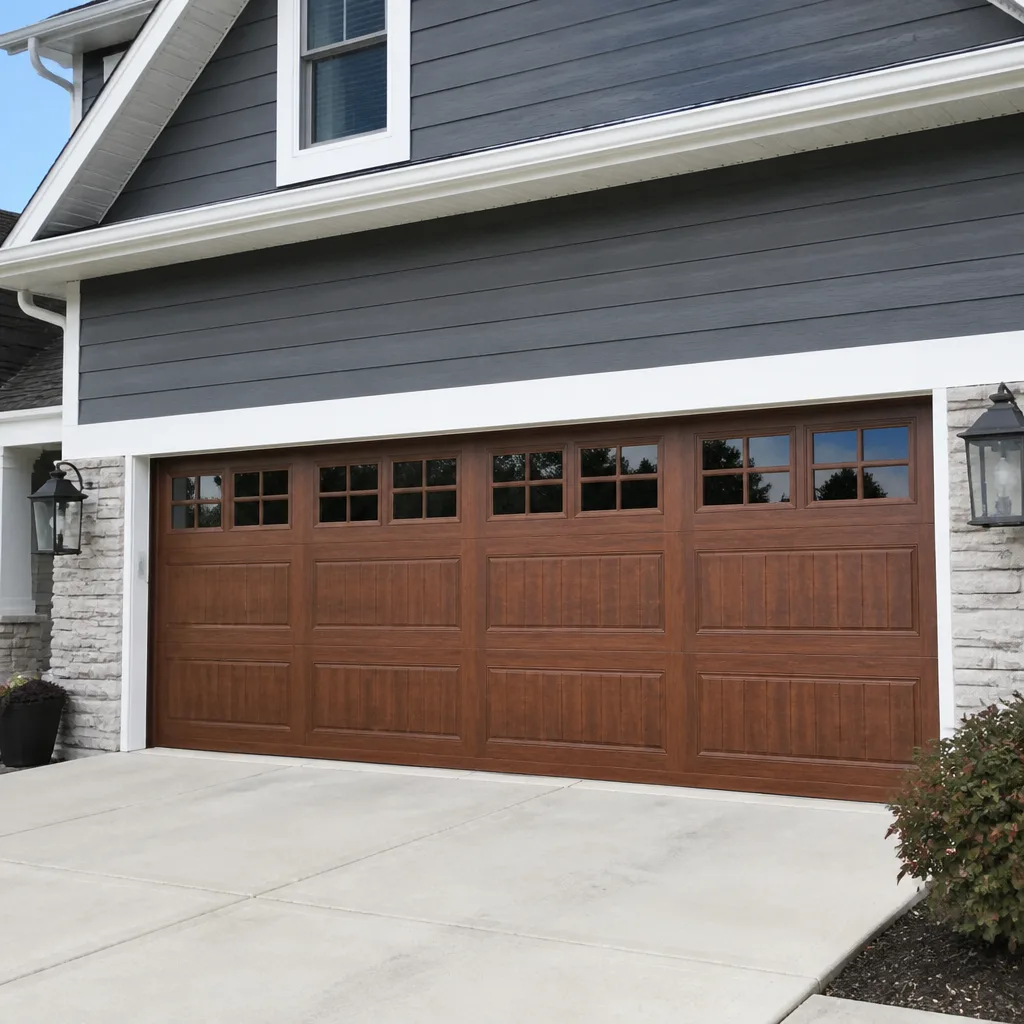 Impact garage doors
 PGT
 CGI
Free in-home measure and quote - PGT, CGI and CWS impact lines compared on your actual openings, style by style
Get your free estimateDIY vs Professional Windows & Doors: The Folsom Homeowner’s Decision Guide
Most homeowners approach this decision as a skills question: am I handy enough to install a window? That’s the wrong frame. The real question is what happens to your warranty, your permit file, and the wall cavity behind your stucco if the installation isn’t done to spec. Every major window brand sold in California ties its product warranty to professional installation by a licensed contractor, a clause buried deep in the warranty document that most homeowners discover only after a seal failure claim gets denied. This guide draws the line precisely so you can make a rational risk decision rather than an emotional one. We’ll cover what “professional installation” actually means in those documents, where DIY genuinely holds up in a Folsom home, and where it quietly costs you more than hiring out.
Quick Answer
In Folsom, DIY is genuinely defensible for interior trim, hardware swaps, screen replacement, and weatherstrip refresh. It is not defensible for full window or door replacement, because product warranties from brands like PGT and CGI require licensed professional installation, Title 24 energy compliance documentation needs a licensed signer, and Folsom’s stucco exteriors demand flashing and sealant sequencing that no tutorial covers. The break-even math only works in DIY’s favor when the installation goes perfectly on the first attempt.
Styles & brands we work with
- Single hung
- Double hung
- Horizontal roller
- Casement
- Bay & bow
- Sliding glass doors
- Entry doors
- Impact garage doors
- PGT
- CGI
Table of Contents
- What the Warranty Documents Actually Say
- Where DIY Is Genuinely Defensible in Folsom
- The Stucco Problem: Water Management You Can’t See
- Title 24 Compliance and Who Can Sign Off
- The Real Cost Math: Supply-Only vs. Installed
- Permits, Inspections, and the Paper Trail
- Matching the Product to the Problem
- Common Mistakes to Avoid
What the Warranty Documents Actually Say
Window warranties are not uniform, but they share one structural feature: the coverage is conditioned on installation. Milgard’s warranty language requires that products be installed by a licensed contractor in accordance with the company’s installation instructions; install it yourself and the glass-breakage and seal-failure coverage is generally void. Simonton’s document uses similar language, tying the labor and product coverage to installation by a qualified professional. PGT, whose impact-rated lines are engineered to strict wind and impact standards, is explicit that installation must follow published guidelines and be performed by a licensed installer for the warranty to hold. Those clauses are not buried by accident. They exist because seal failure and water intrusion are overwhelmingly installation failures, not manufacturing defects.
What “professional installation” is defined as varies by brand, but the common threads are consistent:
- A licensed contractor performing the work, not the homeowner and not an unlicensed helper
- Installation to the manufacturer’s published written instructions, not a general best-practice standard
- Correct flashing, shimming, and sealant sequencing for the specific wall assembly
- Documentation on file so a future claim can be traced to a compliant install
If you install a window yourself and the sealed glass unit fogs two years later, the manufacturer will ask who installed it. There is no good answer to that question when the answer is “I did.” For Folsom homeowners replacing aging units, this is the single most important fact in the entire DIY calculation. A window that fails its seal is not a cosmetic problem; it’s a full unit replacement, out of pocket, at retail.
Where DIY Is Genuinely Defensible in Folsom
We’re not going to pretend everything requires a contractor. There’s a real list of tasks where a careful homeowner with the right tools does fine work, touches no warranty clause, and stays below the permit threshold. Interior trim work is the clearest example: casing, stool, and apron around a window can be replaced or refinished without disturbing the unit or its flashing. Hardware swaps on doors, from handlesets to deadbolts and hinges, are well within reach. Screen replacement is a straightforward re-spline job. Weatherstrip replacement on door frames is another low-risk task.
What ties these together is that none of them involve opening the wall, disturbing the rough opening, or breaking the weather barrier:
- Interior casing and trim replacement
- Door hardware: handlesets, deadbolts, hinges, strikes
- Window screen re-spline or replacement
- Weatherstrip replacement on door jambs and thresholds
- Painting or staining existing frames that are sound and dry
Where the line sits is at the rough opening. Once you’re cutting stucco, pulling the old unit, and resealing against the weather barrier, you’ve left the DIY-defensible zone. That’s the threshold where warranty, permit, and water management all converge.
The Stucco Problem: Water Management You Can’t See
Most Folsom homes are finished in stucco, and stucco changes everything about a window replacement. It’s a rigid, brittle skin that sits over a weather-resistive barrier, and the window flange has to integrate with that barrier in a specific sequence so water that gets behind the stucco can drain out rather than sit against the sheathing. That means a drainage plane, a backer rod, the right sealant at the right joint, and flashing layered so the upper assembly always overlaps the lower one. It’s called shingle-lap logic, and it is not visible from the inside or the outside when it’s done right. It’s only obvious when it’s done wrong, and by then you’re looking at rot.
No YouTube tutorial prepared for a generic wall assembly covers Folsom’s stucco detailing, because the details depend on the specific stucco system, the weep screed location, and how the existing flashing was tied in. Cutting back stucco to a clean line, installing the new unit with the correct flange set, and then patching and re-sealing the stucco skin so the joint stays watertight is a sequenced skill. Get the sequence wrong and the leak won’t show up for a year or two, when it’s behind the drywall and inside the framing.
We’ve seen the cost side of this play out enough to say it plainly: water intrusion remediation behind stucco regularly runs several times the cost of the original window. That’s the number that should drive the decision. Not the labor line on the bid.
Title 24 Compliance and Who Can Sign Off
California’s Title 24 energy standards apply to window and door replacements in existing homes, not just new construction. The replacement unit has to meet or exceed the prescriptive U-factor and solar heat gain coefficient for the climate zone, and the compliance has to be documented on the correct forms and submitted with the permit application. That documentation requires a licensed professional, and the City of Folsom’s building department will look for it during the permit review. A self-installed replacement with no compliance paperwork creates a gap in the chain that surfaces years later, usually when you go to sell and the buyer’s inspector flags an unpermitted alteration.
Retrofitting this after the fact is possible but expensive. The building department can require as-built documentation, the unit may have to be verified or replaced if it doesn’t meet the prescriptive requirements, and the permit has to be pulled retroactively with the associated fees and inspection. What you save on the front end in labor frequently disappears in the back end on paperwork. This is also where choosing products matters: energy-efficient lines like ES Windows and ECO Window Systems come with the published performance data the compliance forms need, rather than forcing the contractor to hunt for specs that may not exist for a box-store unit.
The Real Cost Math: Supply-Only vs. Installed
The sticker price of a window at a supply yard is not the DIY cost of an installed window. The honest comparison adds tool rental, disposal, permit processing, and the risk-weighted cost of a re-installation if the first attempt fails inspection. Here’s how the line items actually stack up:
| Line Item | DIY Path | Professional Path |
|---|---|---|
| Window unit (supply-only) | Retail or trade price | Contractor cost, often below retail |
| Tool rental (saws, lifts, brake) | $150-$400 per project | Included |
| Disposal of old units | $100-$250 | Included |
| Permit and Title 24 processing | Your time, often multiple trips | Handled by the installer |
| Stucco patching and sealant | Materials plus your labor | Included in scope |
| Risk of re-install after failed inspection | Full re-do, out of pocket | On the installer |
| Manufacturer warranty | Voided on DIY install | Intact and documented |
Read that table twice. The DIY path looks cheaper on line one and gets progressively worse as you move down. The professional path looks more expensive on line one and starts saving you money on line two. For a single window in a shed, DIY might pencil out. For three or more windows in a stucco home, it generally doesn’t. And note: this company takes replacement and installation jobs of three openings or more, so if you’re evaluating a whole-house project, we’re who you’d call for the installed numbers.
For an accurate installed figure on your Folsom home, start with Window Replacement Folsom and request a written line-item quote. Estimates are free and the written price is what you pay; no change orders, no surprises.
Permits, Inspections, and the Paper Trail
Replacing windows and doors is a permitted scope in most California jurisdictions, and Folsom is no exception. The permit matters for three reasons: it triggers the inspection, the inspection verifies the flashing and installation, and the closed permit is the documentation your future buyer will want. A DIY replacement without a permit leaves you with an open question on the title report. The building department can require removal and re-inspection, which is worse than starting over with a permit from the beginning.
The general sequence for a permitted replacement looks like this:
- Select a compliant product line (published U-factor and SHGC for the climate zone)
- File the permit application with Title 24 compliance forms
- Pull the permit through a licensed contractor
- Remove the existing unit and inspect the rough opening for rot or water damage
- Install the new unit with correct flashing and sealant sequence
- Complete stucco patch and interior finish
- Schedule the inspection and pass
- Close the permit
Steps four and seven are the ones that trip up DIY projects. Step four is where unforeseen rot turns a replacement into a repair scope. Step seven is where inspectors look for detail that isn’t there. Ask your city’s building department about local permit requirements for your specific project; the local pro we connect you with is licensed and insured as their state requires, and pulls the permits and passes the inspections so the paper trail is clean.
Matching the Product to the Problem
Brand selection is a diagnostic process, not a shopping exercise. The right product for a west-facing bedroom window over a stucco wall is different from the right product for a sliding patio door that opens onto a covered deck. We work with eight product lines, curated across impact, energy, glass, and door categories, and the selection conversation usually lands in one of four places:
- Impact-rated needs (PGT, CGI, CWS): engineered to strict wind and impact standards, useful when the home’s exposure calls for it
- Energy efficiency as a primary criterion (ES Windows, ECO Window Systems): published performance data ready for Title 24 documentation
- Glass-specialty requirements (Mr-Glass, ViewLux): for specific glazing needs or view maximization
- Premium entry doors (Therma-Tru): a recognized industry benchmark for insulation and long-term durability
What you won’t get from a big-box installer is that breadth. They carry two or three generic lines, and the upsell is built in. Eight brands in one specialist roster means the recommendation comes from the problem, not from what’s on the shelf. If you’re evaluating a full window replacement on a Folsom home, the brand list matters as much as the installation quality. And if the project includes entry doors, door replacement is part of the same specialist scope, not a handoff to a separate trade.
Common Mistakes to Avoid
- Buying the window before reading the warranty. If the document requires licensed installation, buying supply-only and installing yourself voids the seal and glass coverage. Read the fine print before the deposit.
- Cutting stucco without a flashing plan. Stucco walls need shingle-lap sequencing. Cutting first and figuring out the flashing later is how water intrusion starts behind the wall.
- Skipping the permit to save time. In Folsom, that unpermitted replacement becomes a title issue and a disclosure item at sale. The permit processing time is a fraction of the retrofit cost.
- Missing Title 24 documentation. The compliance forms need a licensed signer. A DIY install usually produces no forms at all, which is a gap the building department will catch.
- Ignoring the rough opening condition. Old windows come out with rot behind them more often than expected. A discovery mid-project changes the scope and the timeline.
- Mismatching climate performance. A unit that meets code elsewhere may not meet the Folsom climate zone’s prescriptive U-factor. Verify the specs against the zone, not against the marketing sheet.
- Underestimating the stucco patch. Matching stucco texture and color to an existing wall takes skill. A visible patch line on a Folsom home is a permanent cosmetic issue.
See the difference
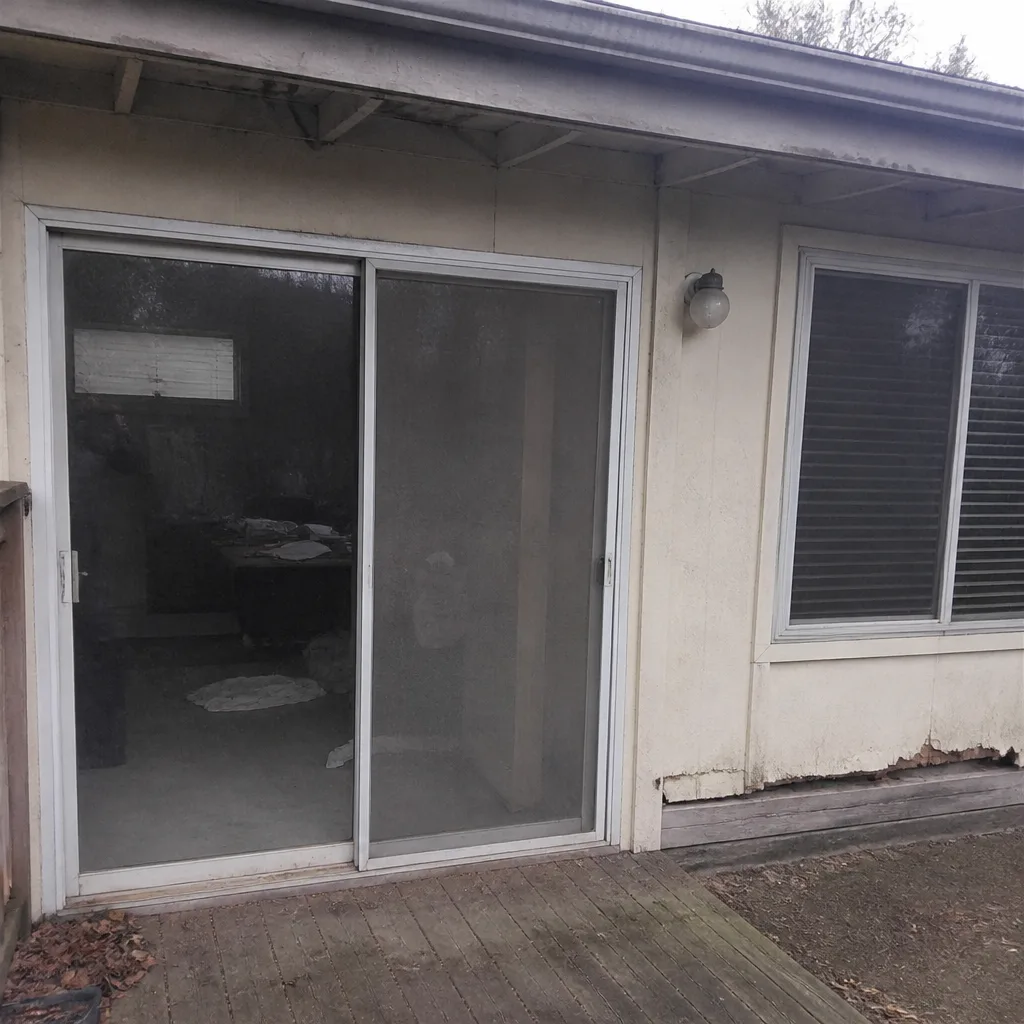 Before
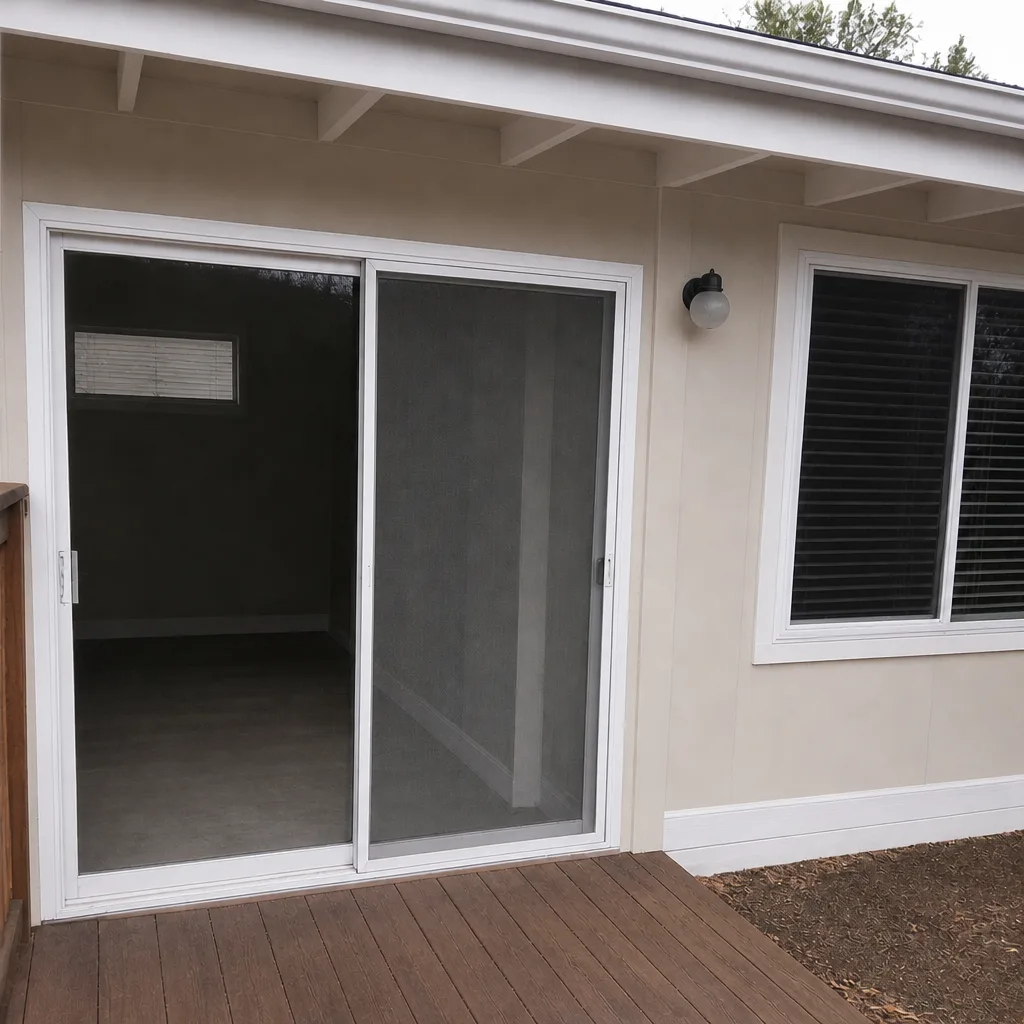 After
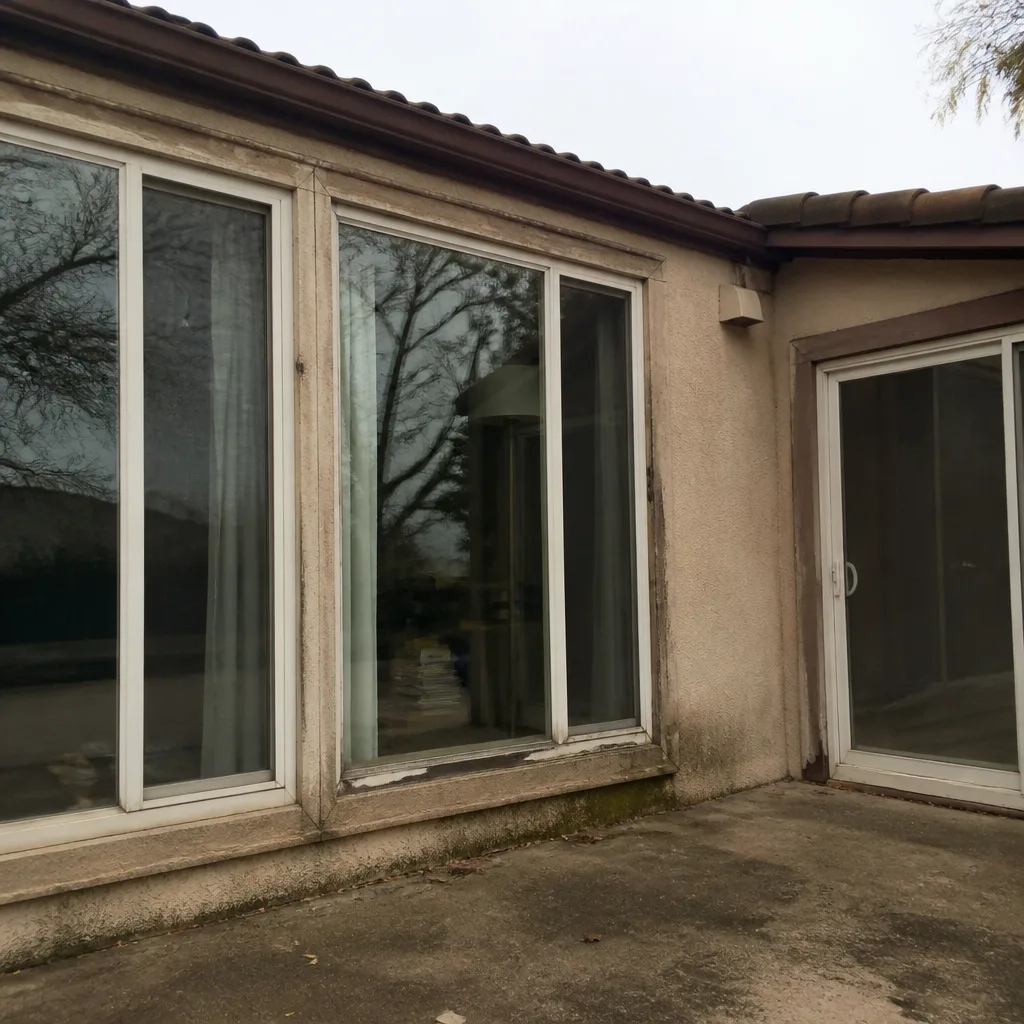 Before
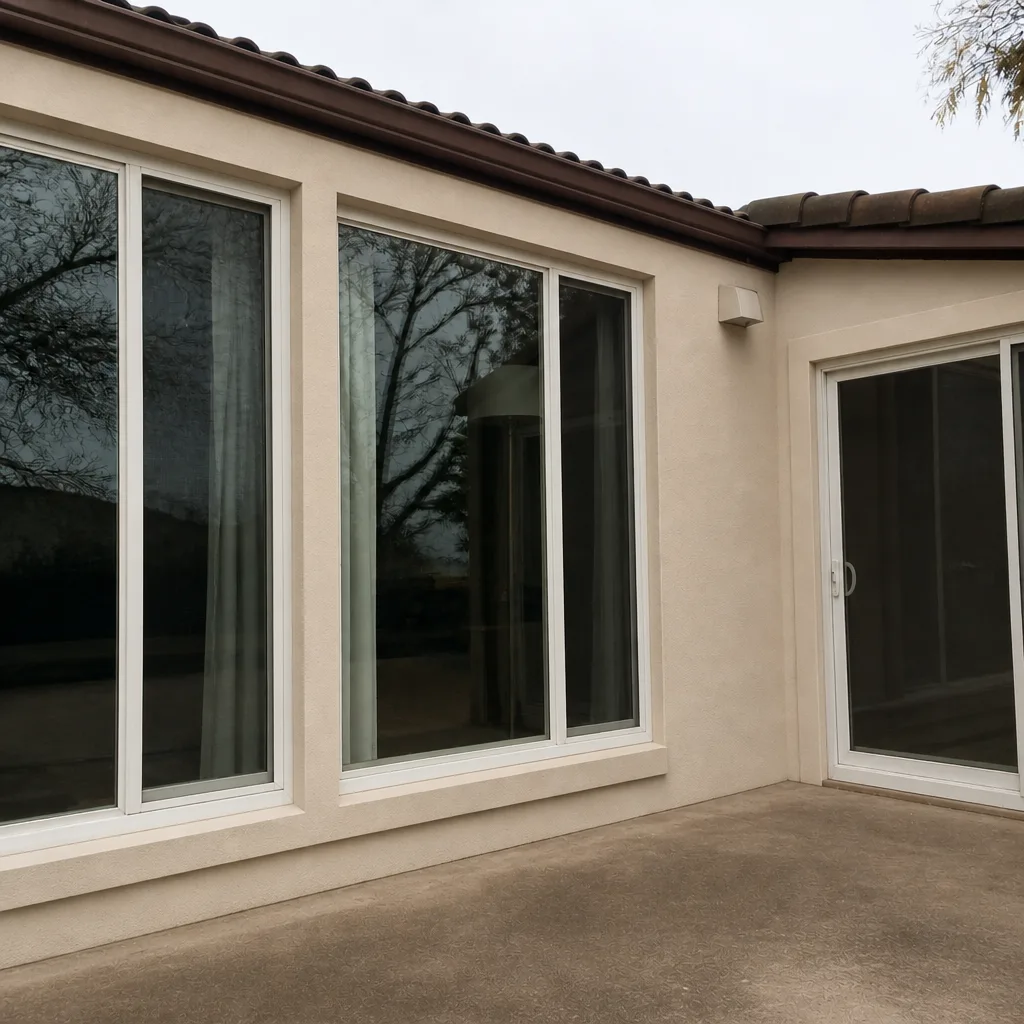 After
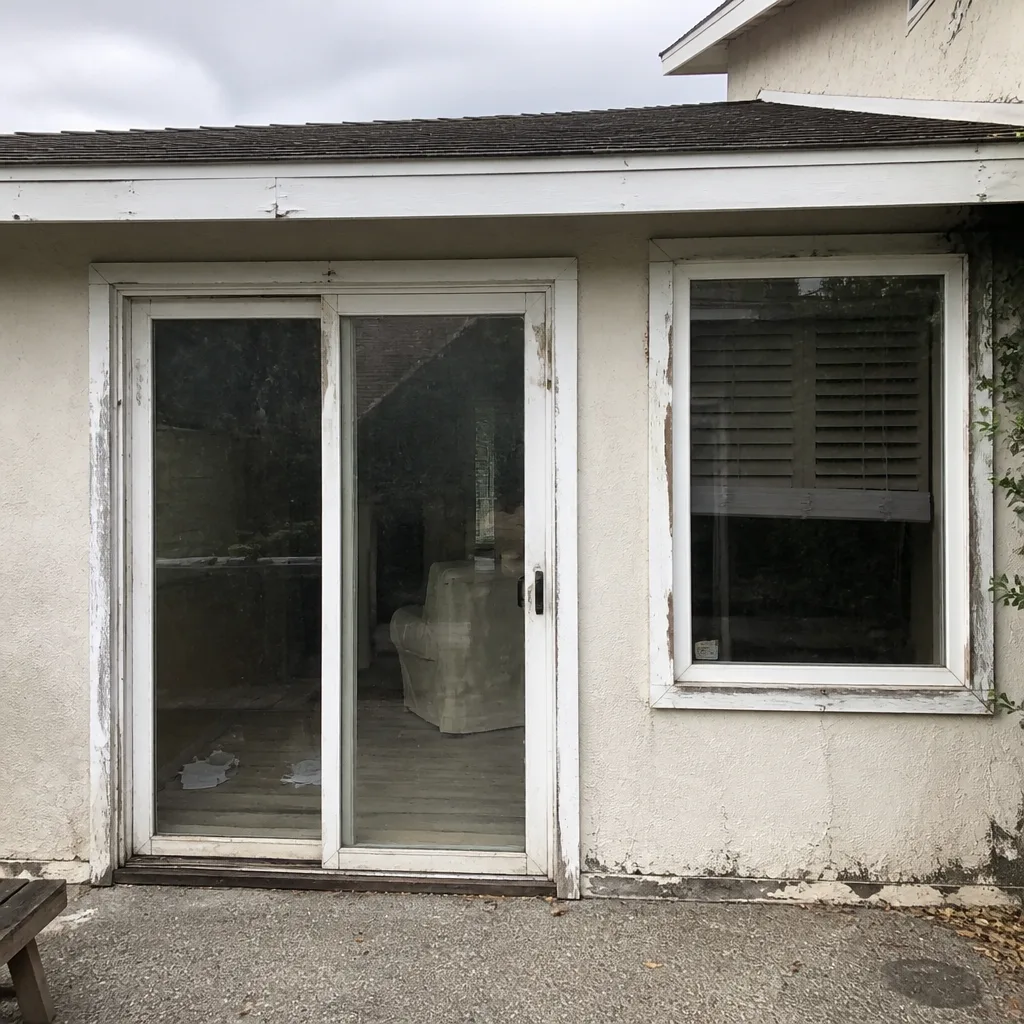 Before
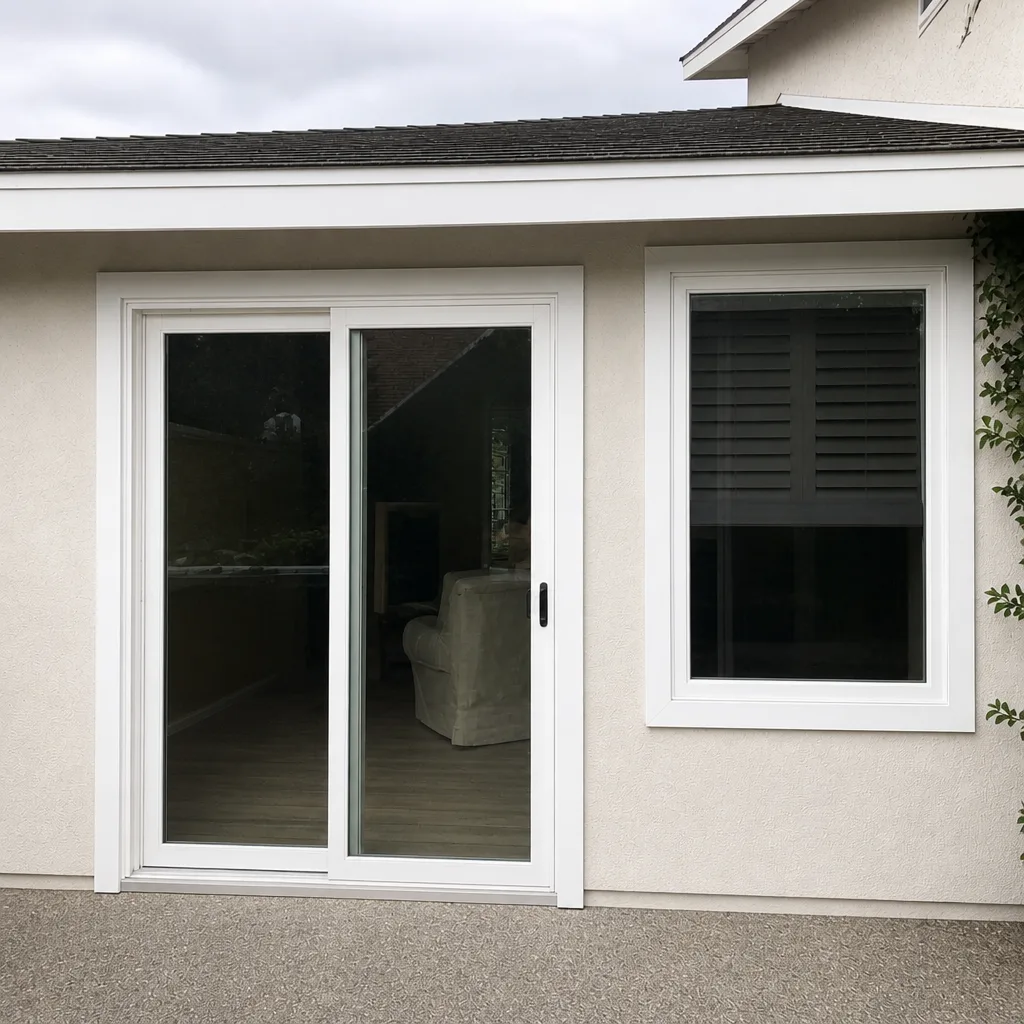 After
When to Call a Professional
Call a professional when the project involves cutting stucco, disturbing the rough opening, pulling a permit, or anything that touches the manufacturer’s warranty language. That covers every full window replacement, every entry door replacement, and every sliding door replacement in a Folsom home. It also covers any project where you need Title 24 compliance forms on file or want an inspection to close cleanly. The tasks where DIY stays safe are interior trim, hardware, screens, and weatherstrip. Our technicians have up to 8 years of experience with windows and doors specifically, and Window Replacement Folsom offers free estimates in Folsom. Call (279) 321-4976 to schedule yours. Written line-item quotes, permits pulled, and a clear answer on whether your project is a fit.
Frequently Asked Questions
You can, but you’ll generally void the product warranty and skip the Title 24 compliance documentation. Manufacturers like Milgard, Simonton, and PGT require licensed professional installation for full warranty coverage, and the City of Folsom expects compliance forms with the permit. Call (279) 321-4976 for a free estimate on the installed cost.
Yes, in most cases. Milgard, Simonton, and PGT warranty documents tie seal and glass coverage to installation by a licensed contractor following published instructions. A DIY install typically voids the coverage, which means a failed seal unit is a full out-of-pocket replacement. Call (279) 321-4976 to talk through the warranty terms before you buy.
Yes, replacement windows and doors are a permitted scope in most California jurisdictions, Folsom included. The permit triggers the inspection that verifies flashing and installation, and the closed permit becomes part of your home’s documentation. Ask your city’s building department for the specific requirements on your project, or call us at (279) 321-4976 and we’ll walk through how permits are handled on an install.
For a single window in a non-stucco wall, DIY can be close to break-even once you add tool rental and disposal. For three or more windows in a stucco home, the professional installed cost wins once you factor stucco patching, Title 24 processing, permit time, and the risk of a failed inspection re-do. Call (279) 321-4976 for a written quote on your specific project; estimates are free.
Interior trim, door hardware, screen re-spline, weatherstrip replacement, and painting or staining sound frames. All of these stay below the permit and warranty threshold. Anything that opens the wall, disturbs the rough opening, or cuts stucco is the professional side of the line. Call (279) 321-4976 if you’re not sure which side your task falls on.
We install eight professional-grade brands: PGT, CGI, CWS, ES Windows, ECO Window Systems, Mr-Glass, Therma-Tru, and ViewLux. That’s a broader roster than a big-box installer carries, and it means the recommendation comes from your home’s needs rather than what’s in stock. For a full window installation in Folsom, call (279) 321-4976 for a free estimate.
The Bottom Line
The DIY vs. professional question for windows and doors in Folsom is a question about what’s at stake, not what’s within your skills. Warranty clauses from Milgard, Simonton, and PGT void coverage on DIY installs. Title 24 compliance requires a licensed signer. Stucco exteriors demand flashing and sealant sequencing that no tutorial shows. The genuine DIY zone is interior trim, hardware, screens, and weatherstrip. Everything past the rough opening belongs with a licensed installer who documents the work and stands behind it. If your project is three openings or more, call (279) 321-4976 for a free estimate. Replacement done right the first time.
Written by the team at Window Replacement Folsom.