Last updated November 25, 2026
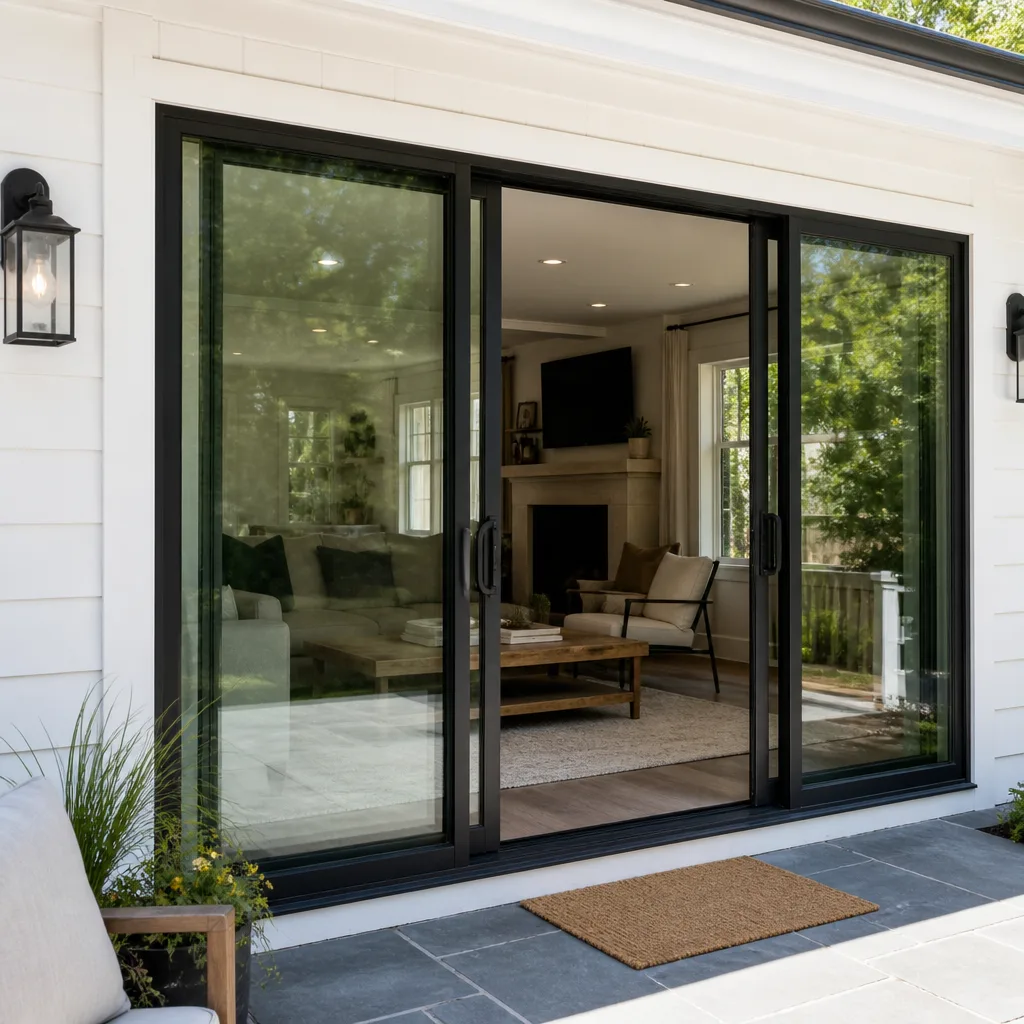 Sliding glass doors
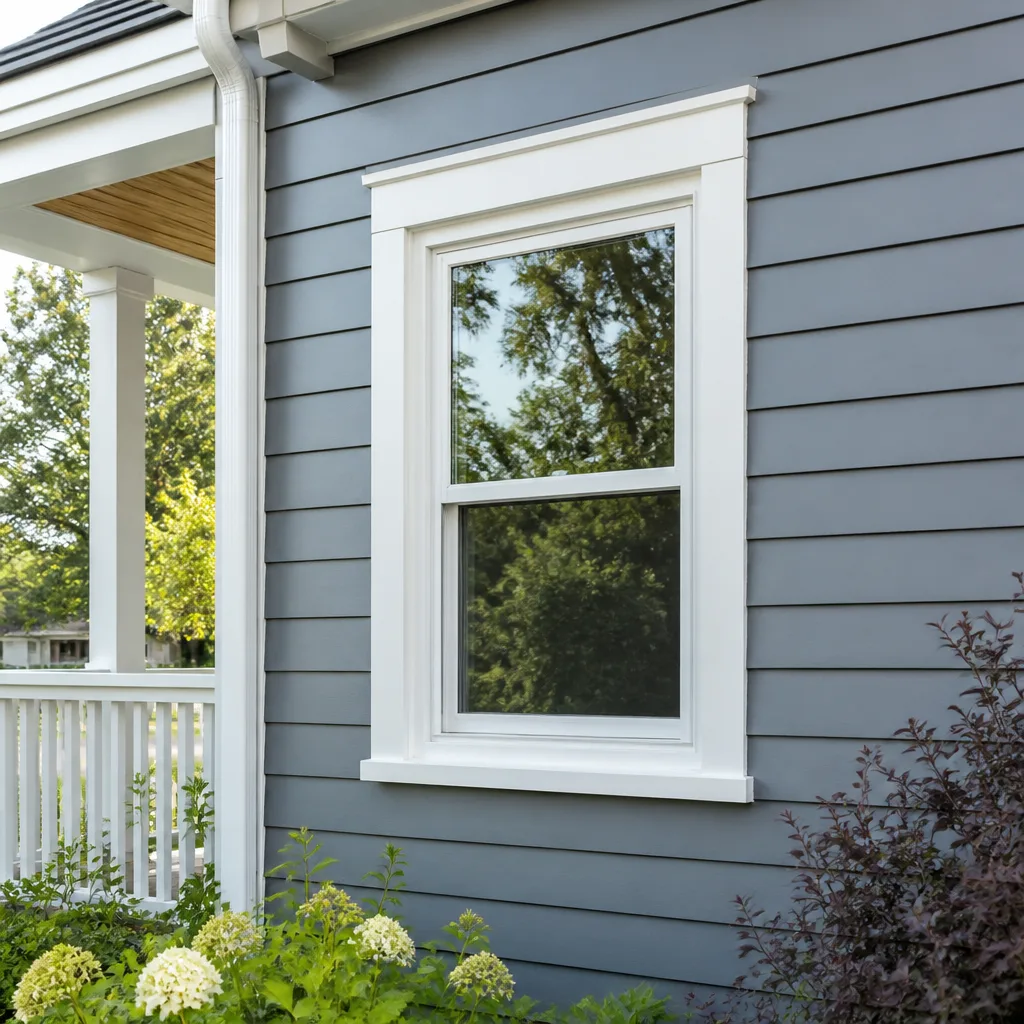 Single hung
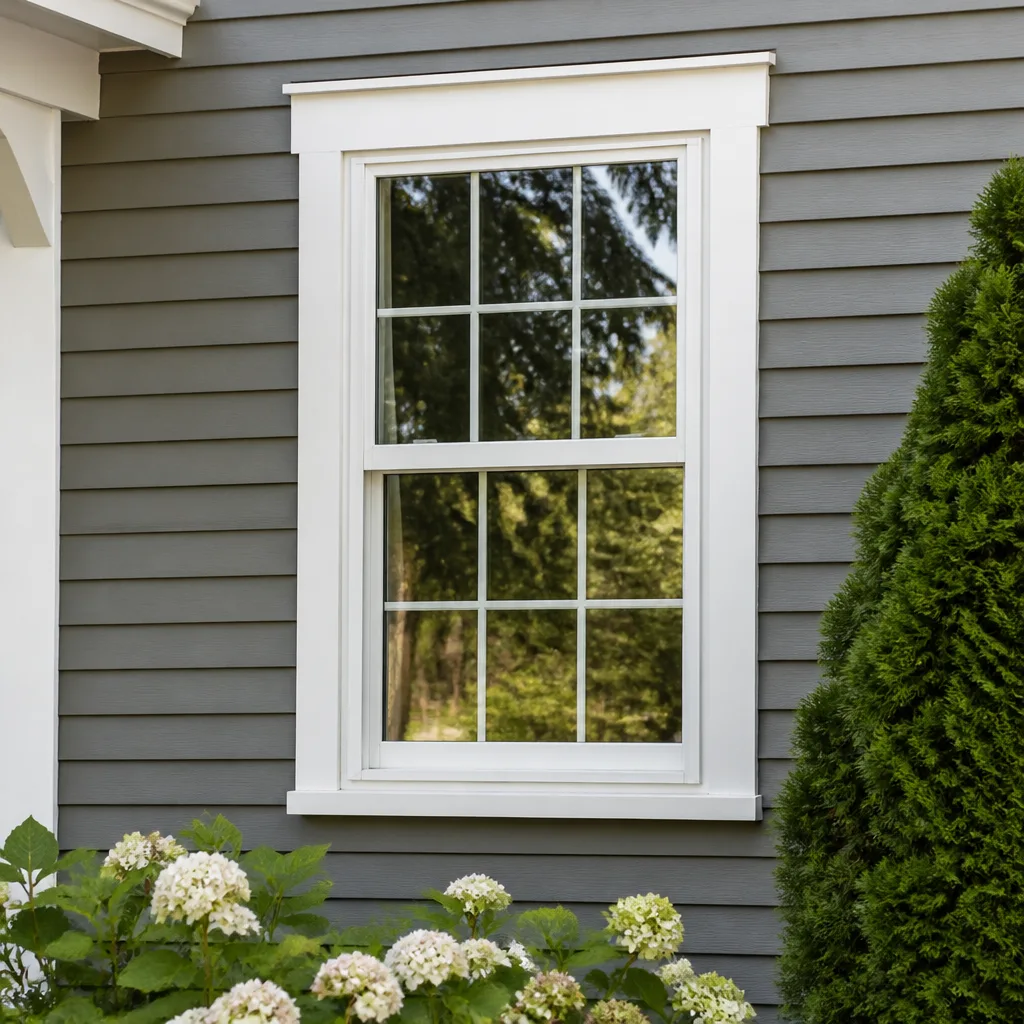 Double hung
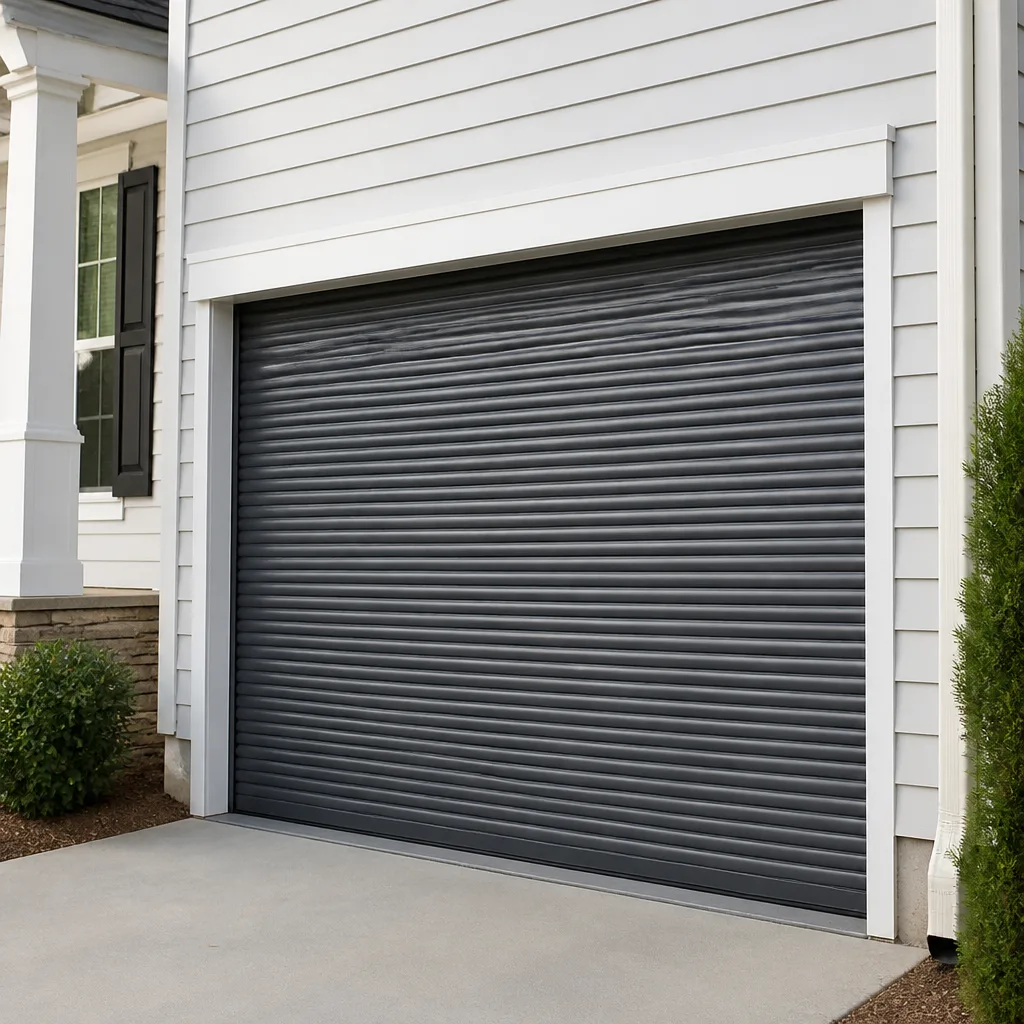 Horizontal roller
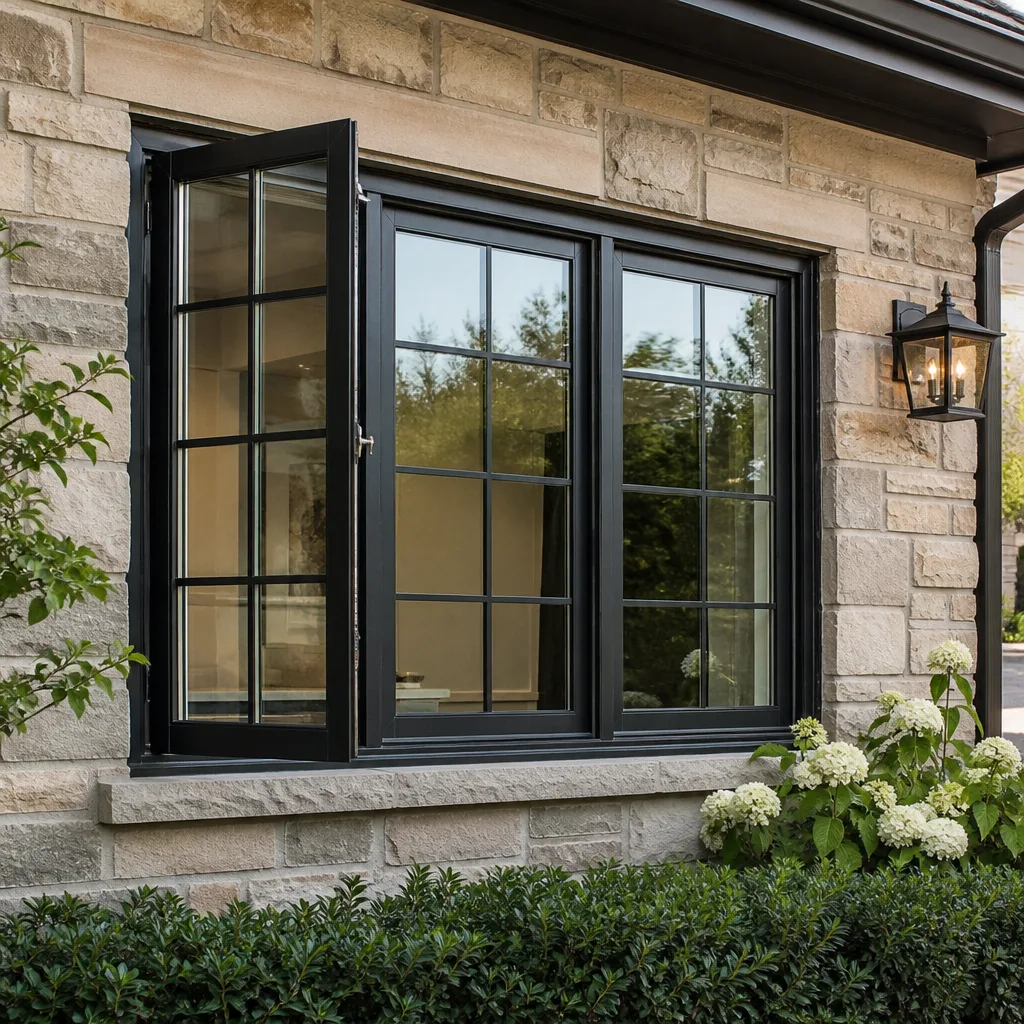 Casement
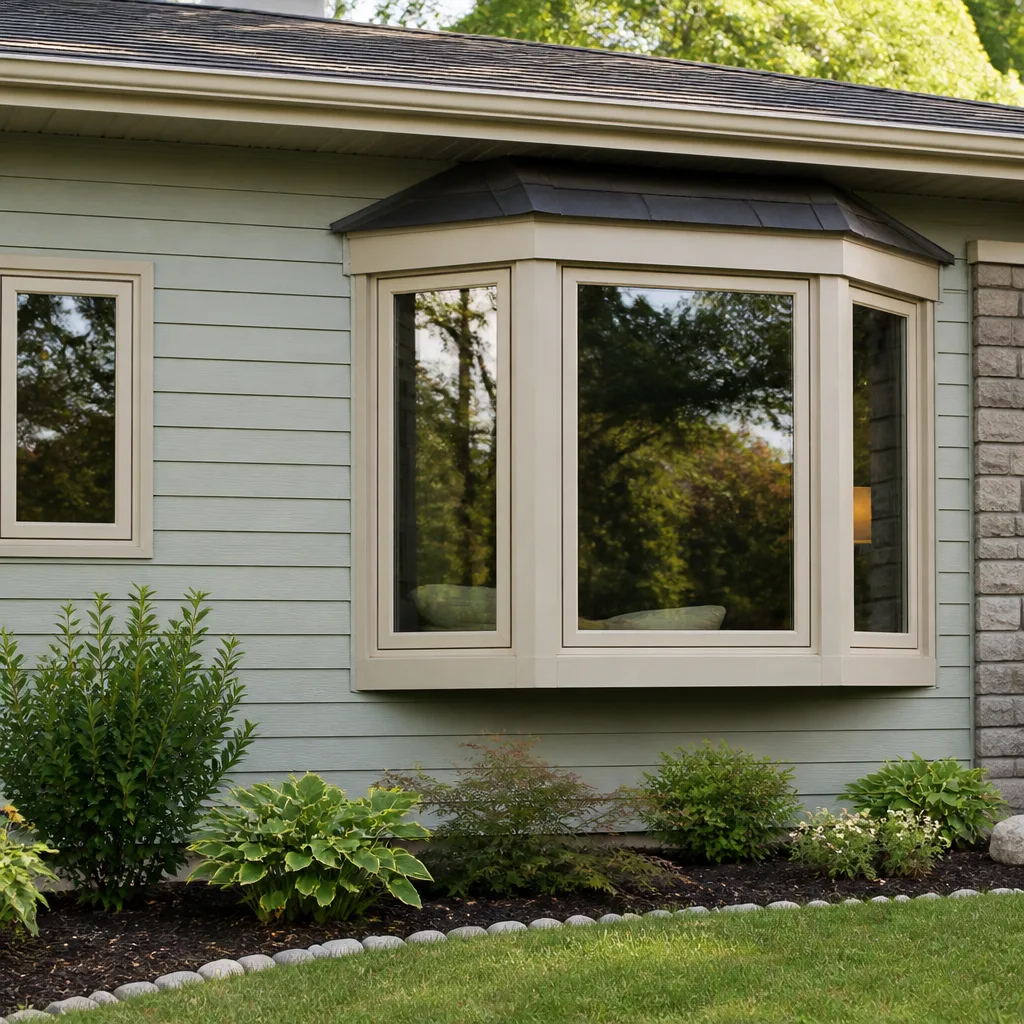 Bay & bow
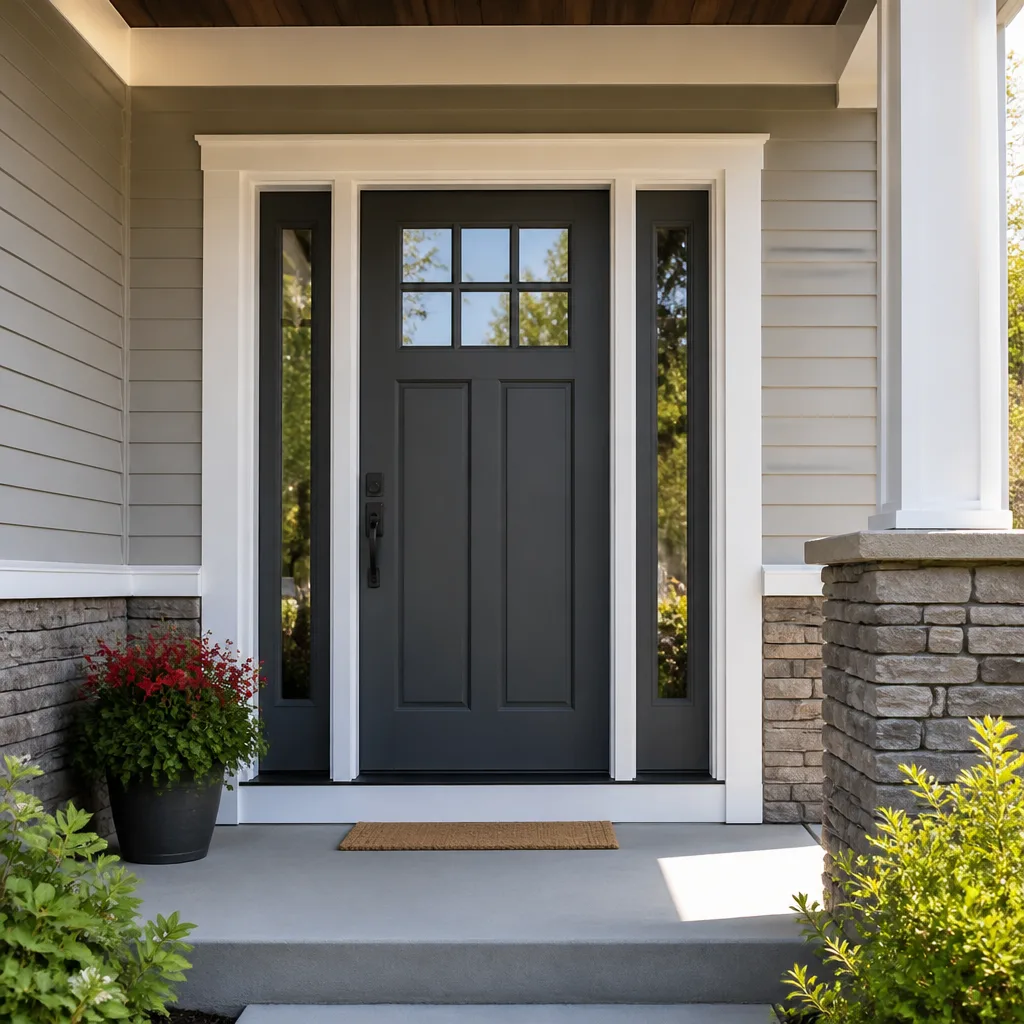 Entry doors
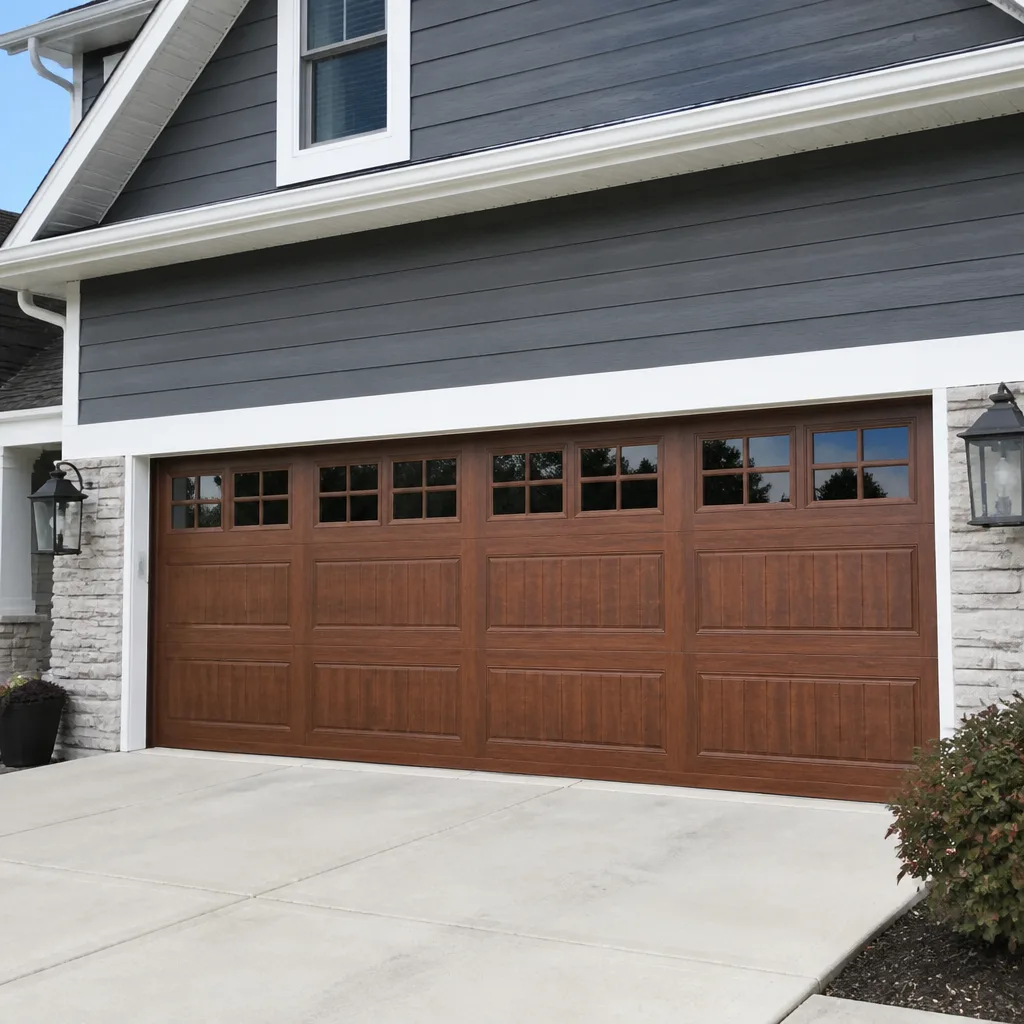 Impact garage doors
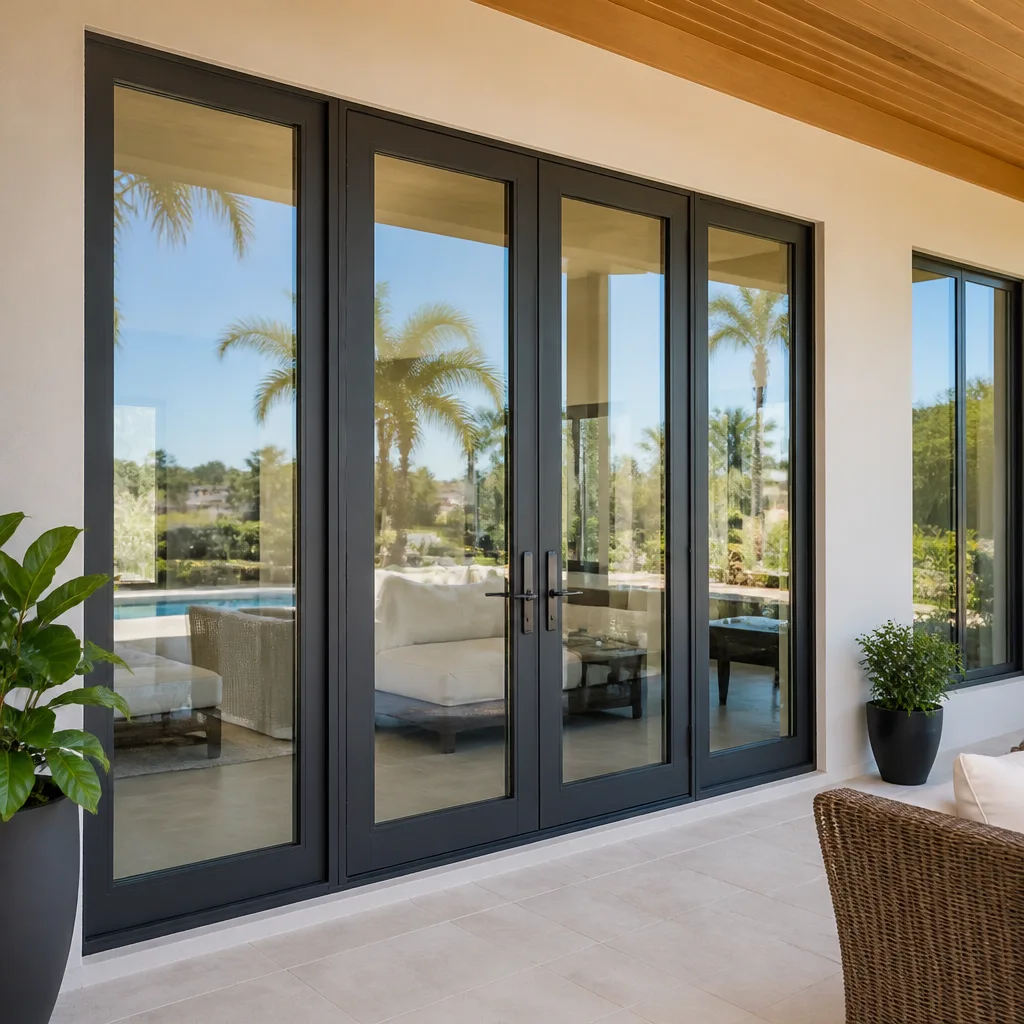 PGT
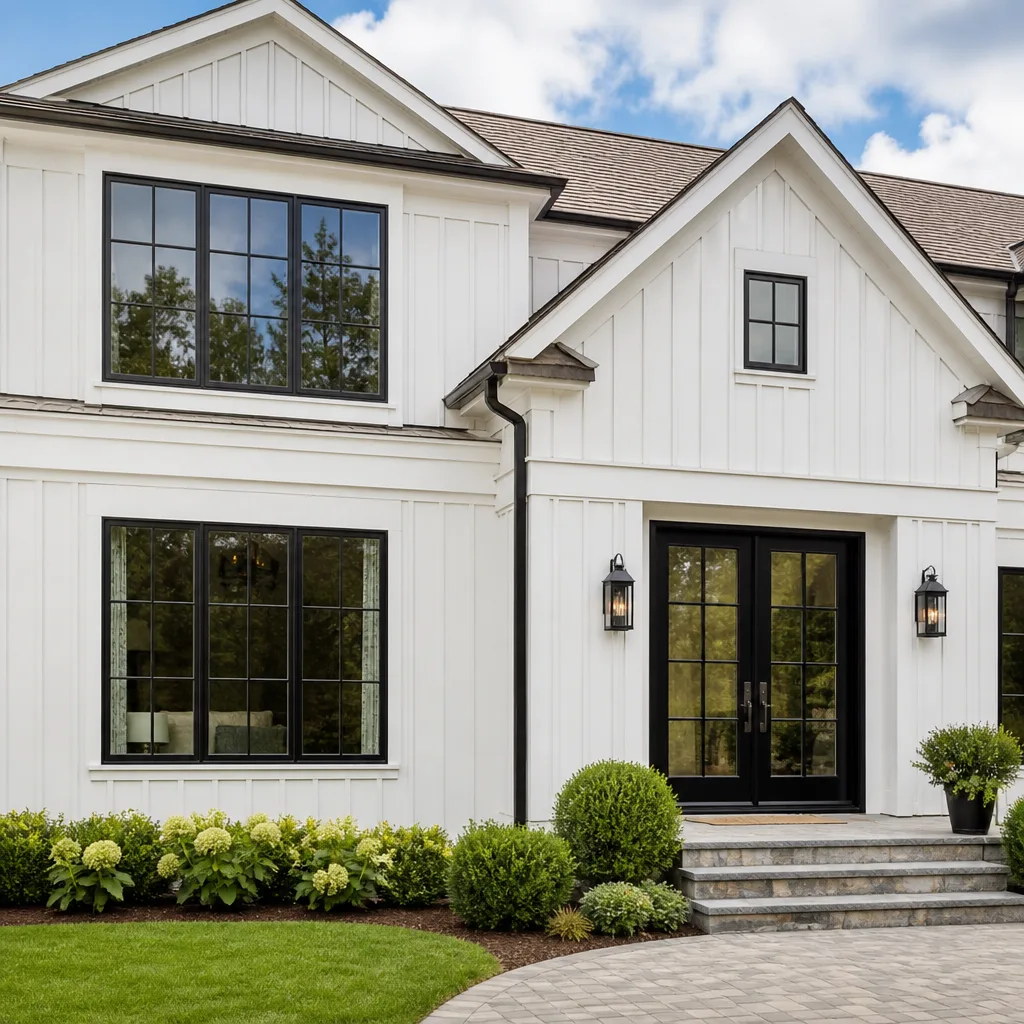 CGI
Free in-home measure and quote - PGT, CGI and CWS impact lines compared on your actual openings, style by style
Get your free estimateThe Complete Guide to Windows & Doors in Folsom
Most window buying advice is written for a climate that doesn’t exist here. It talks about winter heat loss, ice dams and snow loads, then hands you a generic checklist and a brand list. That advice is close to useless in Folsom, where the real enemy is a July afternoon that pushes past 105°F, where wildfire smoke can settle into the valley for weeks, and where a good number of streets sit under an HOA architectural committee that wants to see your grid pattern before anyone touches a frame. The problem isn’t that windows and doors matter less here. It’s that they matter differently: heat gain, solar control, smoke sealing, and curb-appeal rules drive the decision far more than cold-weather performance.
This guide maps the decisions that actually matter in Folsom, CA. We’ll cover how to read a solar heat gain coefficient and what it means at this latitude, which frame materials hold up to dry heat versus the Delta breeze, how HOA approvals work in the bigger subdivisions, and why the order you replace things in can save you real money on stucco and paint. It’s long because the topic is. Read the sections that apply to your project and skip the rest.
Quick Answer
For most Folsom homes, the right window is a dual-pane unit with a low solar heat gain coefficient (SHGC) in the 0.23 to 0.30 range, a vinyl or fiberglass frame, and low-E glass with argon fill, installed by a specialist who pulls permits and passes inspection. Doors follow the same logic: an insulated entry door or a sliding glass door rated for solar exposure, not the builder-grade unit that came with the house. Brand choice matters less than matching the product to the wall, the sun exposure, and the HOA rules on your street.
Styles & brands we work with
- Single hung
- Double hung
- Horizontal roller
- Casement
- Bay & bow
- Sliding glass doors
- Entry doors
- Impact garage doors
- PGT
- CGI
Table of Contents
- Why Folsom Windows Fail Differently
- How SHGC Ratings Work at Folsom’s Latitude
- Frame Materials: Vinyl, Fiberglass, and Aluminum-Clad in Dry Heat
- HOA Approval: Timelines and Triggers in Folsom Subdivisions
- Project Sequencing: What to Replace First
- Brand-Level Fit: When Impact-Rated Makes Sense
- Door Decisions: Entry and Sliding Doors
- What a Replacement Project Actually Involves
Why Folsom Windows Fail Differently
The failure pattern we see in Folsom isn’t frost damage or ice jacking. It’s sun. A west-facing wall in Folsom takes a brutal afternoon solar load from roughly May through September, and a builder-grade dual-pane window from the 1990s or early 2000s just wasn’t spec’d for it. The seals fail, the glass fogs at the edges, and the frame itself can get hot enough that the interior surface is uncomfortable to touch. Meanwhile the house is running the air conditioner harder than it should because the glass is letting in heat it should be rejecting.
Then there’s smoke. Folsom sits in a corridor where wildfire smoke can move in and stay for days. Window and door performance during a smoke event comes down to two things: the tightness of the seal between sash and frame, and whether the unit is installed with proper air sealing at the rough opening. A window that’s “energy efficient” on paper but installed with a thin bead of caulk and no foam will leak smoke and heat at the perimeter regardless of what the glass is rated for.
And then there’s the Delta breeze. In the summer, cool air pushes in from the west in the late afternoon and evening, which is the reason Folsom cools down faster than the inland valley towns east of here. That daily swing means your windows are working in two directions: rejecting heat during the day and letting in cool air at night if you use them for ventilation. Fixed windows don’t help with that; operable units, and in some rooms a well-placed sliding door, do. That’s part of why we push homeowners to think about window type (operable versus fixed) at the same time they’re thinking about glass.
How SHGC Ratings Work at Folsom’s Latitude
Solar heat gain coefficient is the fraction of solar energy that passes through a window and ends up as heat inside the house. Lower is better for cooling-dominated climates, and Folsom is a cooling-dominated climate for most of the year. An SHGC of 0.25 means about 25 percent of the sun’s heat makes it through the glass; a unit at 0.40 lets considerably more. On a west-facing window in July at 105°F, that difference is not academic.
The practical ranges we work with for Folsom homes:
- South-facing windows: Low SHGC (0.23 to 0.28). These get high sun in summer and low sun in winter, so a slightly higher number can help in January without cooking you in July.
- West-facing windows: Lowest SHGC available (0.23 or below if the glass package offers it). Afternoon sun on a west wall is the single biggest heat source in a typical Folsom house.
- East-facing windows: Low SHGC, but the exposure window is shorter. 0.25 to 0.30 is reasonable.
- North-facing windows: Higher SHGC is fine (0.30 to 0.40). These windows mostly provide daylight, not heat gain.
What homeowners often miss is that SHGC and visible light transmittance trade off. A very low SHGC glass will slightly darken the room and can shift color. If your living room faces west and you love the daylight, you’re balancing thermal comfort against brightness. The right answer is usually a different glass package on that wall versus the north side, not the same spec everywhere. A specialist will walk the house with a compass and spec per orientation. A big-box installer generally won’t.
Energy ratings (U-factor for heat loss, SHGC for heat gain) come from the same label, and Folsom’s cooling-heavy load means SHGC is the number that moves your bill most. Ask to see both numbers for every unit you’re quoted.
Frame Materials: Vinyl, Fiberglass, and Aluminum-Clad in Dry Heat
Frame choice in Folsom is mostly a heat-stability and maintenance question, not a cold-weather one. Here’s how the three main materials behave.
- Vinyl: The most cost-effective choice for most Folsom homes. Modern vinyl profiles are stabilized against UV and hold color and shape well in dry heat. It’s the default for budget-conscious replacements and the right call on interior lots where impact rating isn’t required. Watch for cheap thin-wall vinyl, which can warp on a west wall over time.
- Fiberglass: More dimensionally stable than vinyl in temperature swings, which matters on the biggest west-facing walls and on sliding doors. It takes paint and stain, holds a tighter fit, and generally carries a longer service expectation. The premium is real but justified on high-exposure walls.
- Aluminum-clad wood or fiberglass: The exterior is aluminum, which handles Folsom sun and dry air without needing paint. It’s the premium option and it looks it from the street. The catch is that aluminum conducts heat, so the thermal performance depends entirely on the internal thermal break and the frame design. Don’t spec aluminum-clad without confirming the thermal break.
Folsom’s dry air is actually kind to frames compared to humid climates, which is the opposite of what most buying guides assume. Rot and mold aren’t the primary failure modes here; UV degradation and thermal expansion are. That’s part of the reason we favor vinyl and fiberglass for most interior Folsom lots, and reserve the higher-spec frame materials for west-facing or full-sun exposures. The microclimate matters: a home near the American River corridor sees a bit more morning humidity and cooler nights than a home on the ridge, and the frame spec should reflect that.
HOA Approval: Timelines and Triggers in Folsom Subdivisions
This is the part of the project that surprises homeowners most. Folsom has a lot of HOA-governed streets, and many of the newer subdivisions carry architectural standards that specify window color, grid pattern, frame profile, and sometimes the visible glass tint. Replacing a window with a visually different product without approval can mean a violation notice and, in the worst case, a requirement to redo the work. Nobody wants that.
What typically triggers architectural review:
- Color change: Moving from white to bronze, or from a factory-finished color to a different one, almost always needs approval.
- Grid pattern changes: Switching from colonial grids to no grids, or changing the grid layout, is a visible change and usually requires review.
- Exterior finish and profile: A different frame material with a different visible width or sheen can trigger review even if the color matches.
- Door style: Entry door replacement with a different panel design, sidelight configuration, or color is commonly reviewed.
- Sliding door changes: Changing a sliding door to a different width or converting to a different opening style may be reviewed.
The process usually works like this, and it’s worth starting early:
- Pull your HOA’s architectural guidelines and find the window and door section. Most are available from the management company.
- Get the product spec sheet and color sample from your window supplier, including the manufacturer’s name and product line.
- Submit the architectural request with photos of the existing window, the proposed product, and the color sample.
- Wait for the committee’s decision before ordering. Timelines vary widely by association and committee meeting schedule, and ordering ahead of approval is the single most common sequencing mistake we see in Folsom.
We can supply the product documentation and color samples you’ll need for the submission. What we can’t do is speak for your HOA. Start the request early and the installation doesn’t have to wait on it.
Project Sequencing: What to Replace First
If you’re planning more than one exterior project, the order matters. The general rule: replace windows and doors before exterior paint and stucco work, not after.
Here’s why. Window replacement involves removing the old unit, working the rough opening, and finishing the perimeter with trim, sealant, and sometimes a patch to the surrounding stucco or siding. If you paint or patch first, you’ll be redoing it around every opening. If you replace first, the paint and stucco crew can finish right up to the new frame and you get a clean, single-pass result. Reversing the order means paying twice for the same wall work.
A sensible sequence for a whole-home exterior project in Folsom:
- Get the HOA approval first. This gates everything.
- Replace windows and doors, including sliding doors. This is when the rough openings get worked and the perimeter gets sealed.
- Address any stucco or siding repairs around the new openings. This is the repair work the window installer flagged, not a full re-stucco.
- Paint the exterior. The painter now finishes to the new frames and covers any touch-up from the installation.
- Do the finishing details: trim, hardware, and anything cosmetic.
For a phased project, most Folsom homeowners start with the worst-exposed wall (usually west), then the front of the house for curb appeal, then the rest. Entry door replacement often rides along with the front-of-house phase because the door is the visual anchor of the facade. If you’re only doing one thing this year, the worst-performing wall gives you the biggest comfort return.
Brand-Level Fit: When Impact-Rated Makes Sense
One of the more useful questions a homeowner can ask is which product line actually fits their house. “The best window” isn’t a product; it’s a match between the exposure, the construction, and the budget.
Impact-rated lines like PGT and CGI are engineered to meet strict wind and impact standards. In Folsom, the case for impact-rated glass is less about wind-borne debris and more about the physical resilience of the glass and the tightness of the assembly during smoke events and heavy weather. On a fully exposed ridge lot, on a wall that takes direct afternoon sun and wind, an impact-rated line is a reasonable spend. On an interior Folsom lot sheltered by surrounding houses and trees, a well-spec’d vinyl unit from a reputable line is the smarter use of money, and the comfort difference is negligible.
Our brand roster is deep for a reason: it lets us match the product to the problem instead of pushing whatever a warehouse happens to carry. PGT and CGI sit in the impact-rated category. CWS covers a range of performance-focused products. ES Windows and ECO Window Systems serve homeowners whose priority is energy efficiency. Mr-Glass and ViewLux serve specific glass and specialty needs, and Therma-Tru anchors our entry door work. We also carry the full replacement and installation scope across all five service categories: window replacement, window installation, door replacement, sliding door replacement, and entry door replacement. One specialist, one point of coordination, no separate trades for the doors and the glass.
The honest answer on brand is usually this: on interior lots with standard exposure, a good vinyl line will outperform an impact-rated line that’s been value-engineered to hit a price. On a ridge lot with a west wall, the reverse holds. A specialist will tell you which is which for your house. A generalist will not.
For the parent service overview, see window replacement in Folsom.
Door Decisions: Entry and Sliding Doors
Doors get less attention than windows and deserve more, especially in Folsom where the entry door is the first thing the sun hits and the sliding door is often the biggest single pane of glass in the house.
Entry doors. An insulated entry door blocks heat far better than a builder-grade hollow or thin-panel door, and it’s the single largest curb-appeal upgrade on the front of a Folsom house. Therma-Tru doors are a recognized benchmark for insulation and long-term durability, and they hold up to dry heat and UV exposure. If your HOA has rules about door color or style, get the approval before ordering: this is the most common door-related delay we see.
Sliding doors. A sliding glass door facing west is the highest solar gain element in many Folsom homes. The glass spec matters more here than anywhere else in the house: low SHGC, dual pane, and a frame that stays tight through the temperature swing. On doors that see full afternoon sun, a fiberglass or aluminum-clad frame with a proper thermal break holds its fit better than thin vinyl over time. Sliding door replacement is one of our five categories precisely because it gets treated as a window job by generalists and ends up under-spec’d.
Both door types should be part of the same project plan as the windows if you’re doing a whole-exterior upgrade. Splitting the door work to a separate trade means a second crew working the same openings, a second permit, and a second set of finish details that don’t quite line up.
What a Replacement Project Actually Involves
Replacement is a construction project, not a service call. Knowing the sequence helps you plan around it. It typically involves:
- In-home assessment. We measure every opening, check the wall construction, note sun exposure by orientation, and confirm the existing unit type. This is where the per-orientation glass spec gets set.
- Product selection and HOA submission. You choose the line and glass package; we supply the documentation for architectural review.
- Permitting. Most cities require a permit for window and door replacement, so ask your city’s building department what applies to your address. We handle the permit on our projects.
- Ordering and lead time. Custom-sized units take time to manufacture, and lead times vary by line and glass package. HOA approval should be in hand before this step.
- Installation. The old unit comes out, the rough opening gets prepped and sealed, the new unit goes in and gets shimmed, leveled and secured, and the perimeter gets air-sealed and finished. Exterior trim and interior returns are addressed at this stage.
- Inspection and walkthrough. The permit inspection is scheduled, and you walk the completed work with us before final payment.
Our technicians have up to 8 years of experience, and every one of them works on windows and doors exclusively. That’s the difference between a specialist and a generalist: the installer who does this every day catches the fit issue, the flashing detail, and the seal problem that a general crew misses. Estimates are free and written line by line, and the written estimate sets the final price.
One scope note: we take replacement and installation projects of three openings or more. We don’t do single-window jobs, and we don’t do repairs. If your unit is fogged, drafty, or broken, the answer is replacement, and we’ll quote it as such. For the full replacement scope, see window replacement, and for new construction or rough-opening work, window installation. Entry and sliding door work lives at door replacement.
Common Mistakes to Avoid
- Spec’ing the same glass on every wall. Folsom’s solar load is directional. A north window and a west window should not carry the same SHGC. A single spec for the whole house leaves comfort and savings on the table.
- Ordering before HOA approval. This is the most expensive sequencing mistake in Folsom’s HOA-heavy subdivisions. Get the architectural approval in hand before the order goes in.
- Painting first, windows second. Paint and stucco work should follow window replacement, not precede it. Otherwise you pay twice to finish around the same openings.
- Buying on U-factor alone. U-factor measures heat loss, which matters less here than SHGC. A window with a great U-factor and a high SHGC will still cook a west-facing room.
- Under-speccing the sliding door. The sliding door is often the largest glass area in the house. Treat it as a window, not an afterthought, and spec the glass accordingly.
- Splitting the project across trades. Using one contractor for windows and another for doors means two permits, two schedules, and finish details that don’t line up. Keep it with one specialist.
- Skipping the permit. Most cities require a permit for this work. Unpermitted replacement can become a problem at resale. Ask your building department, and use a contractor who pulls the permit.
See the difference
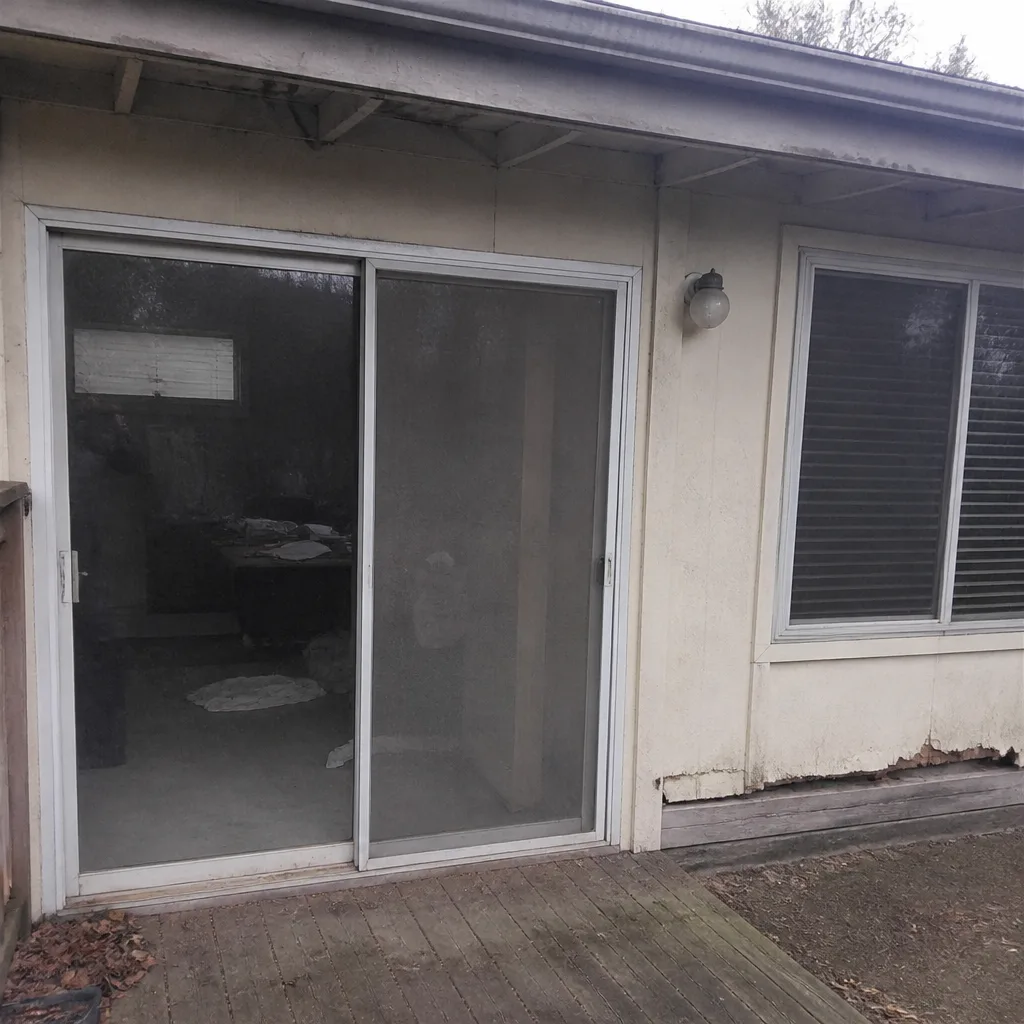 Before
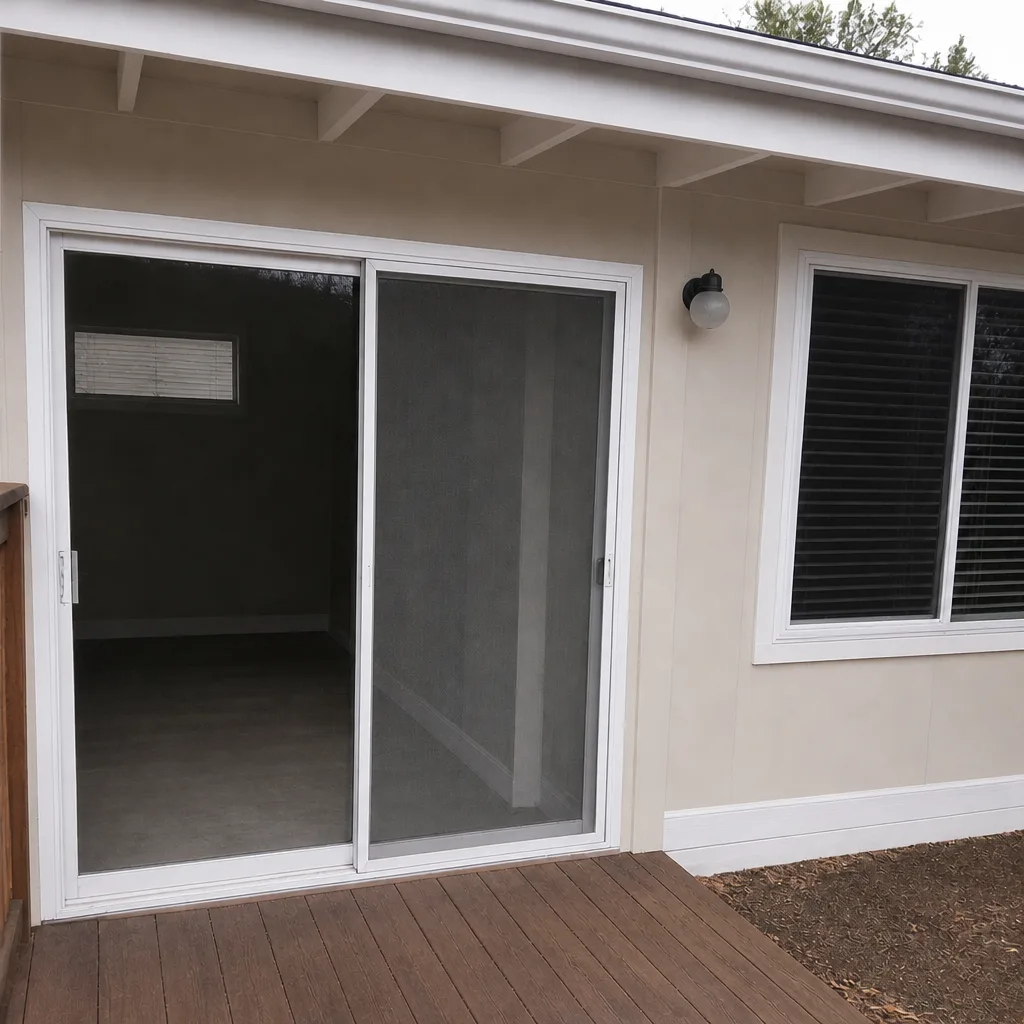 After
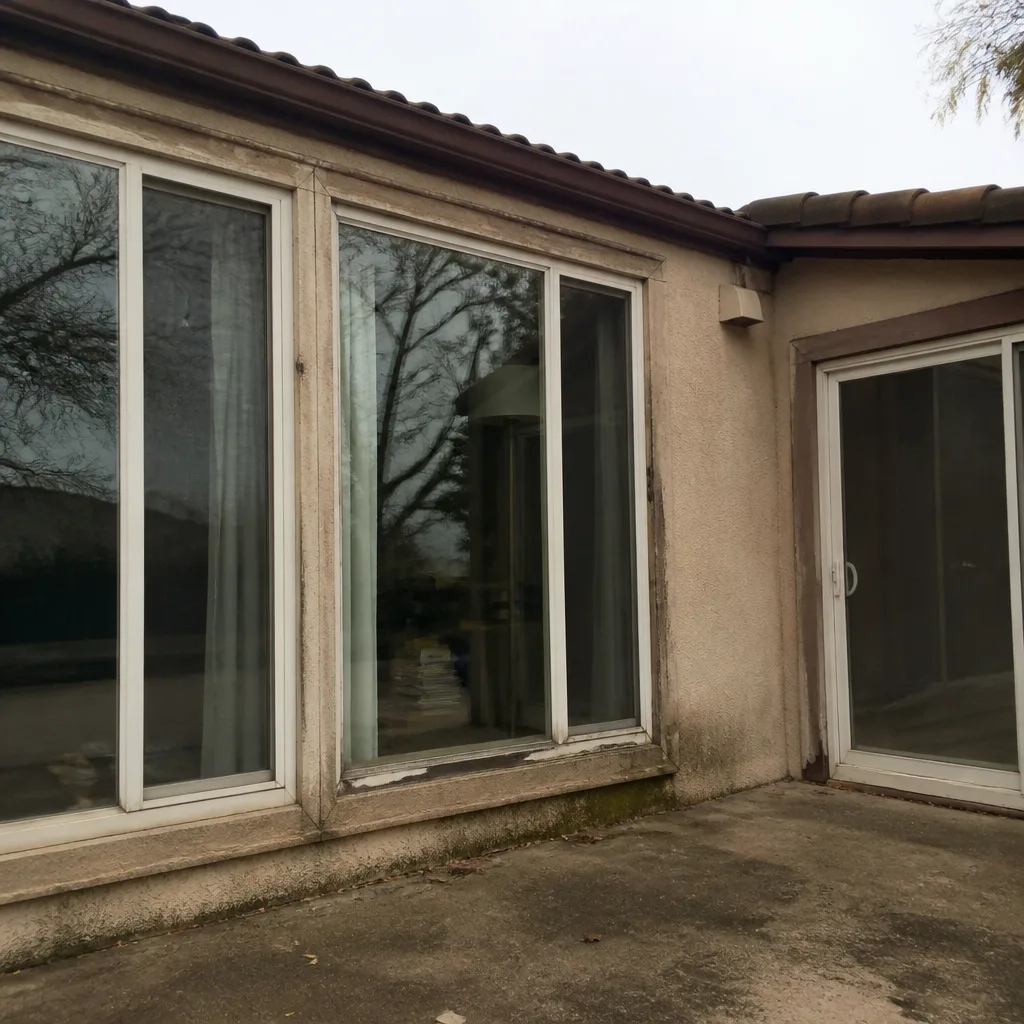 Before
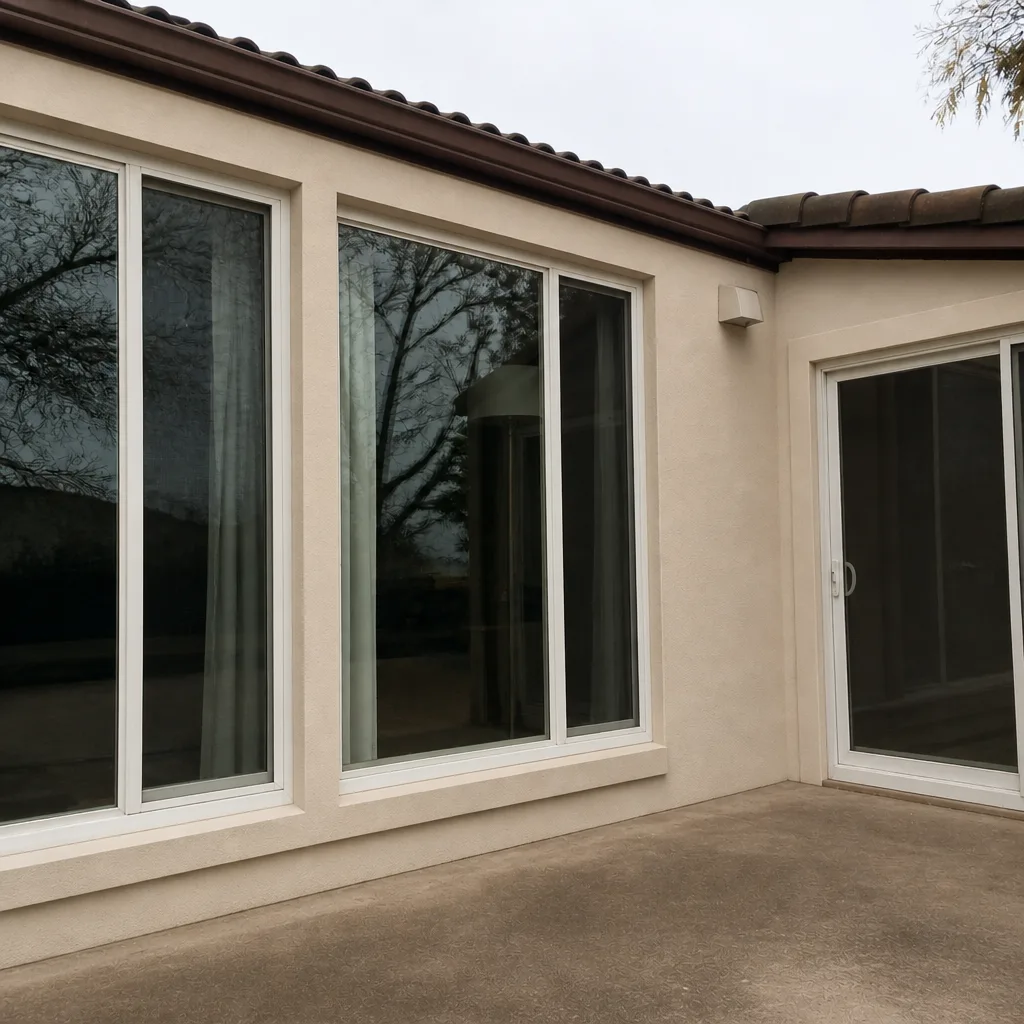 After
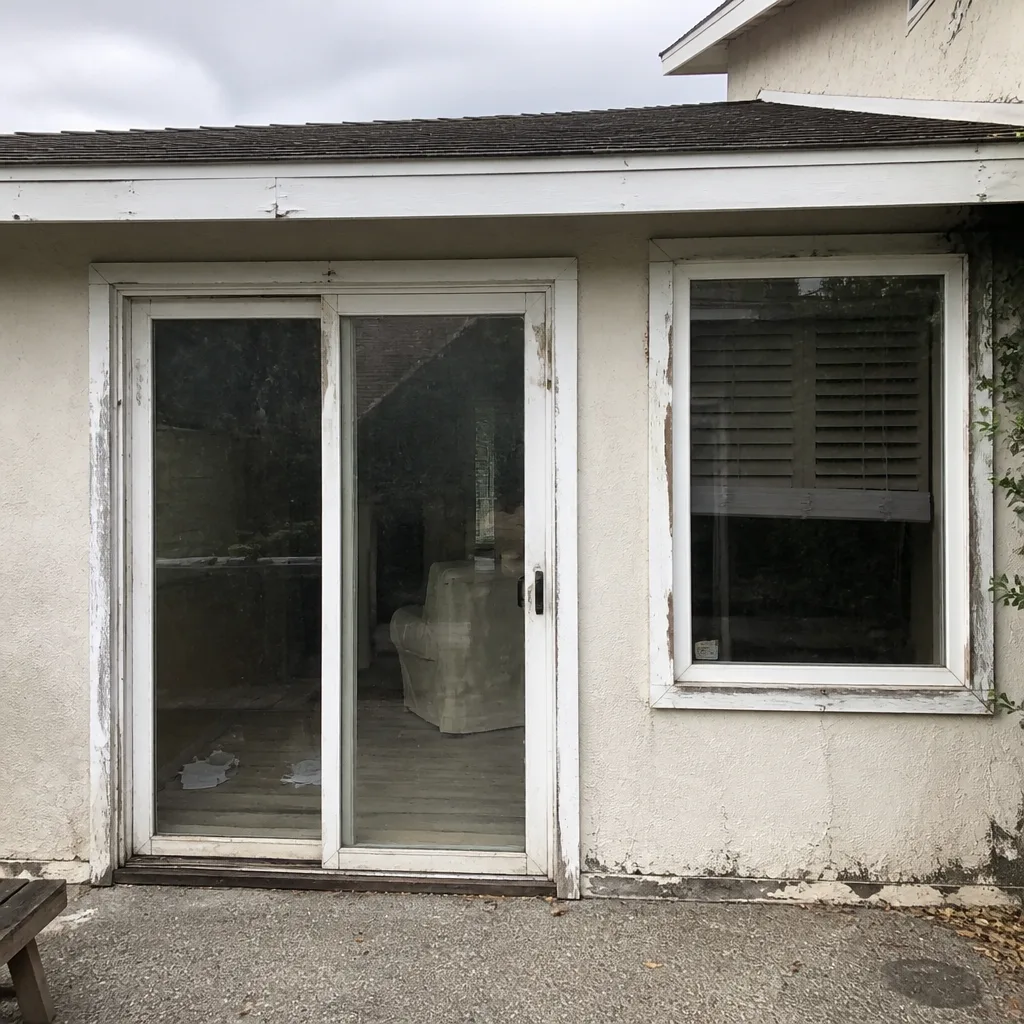 Before
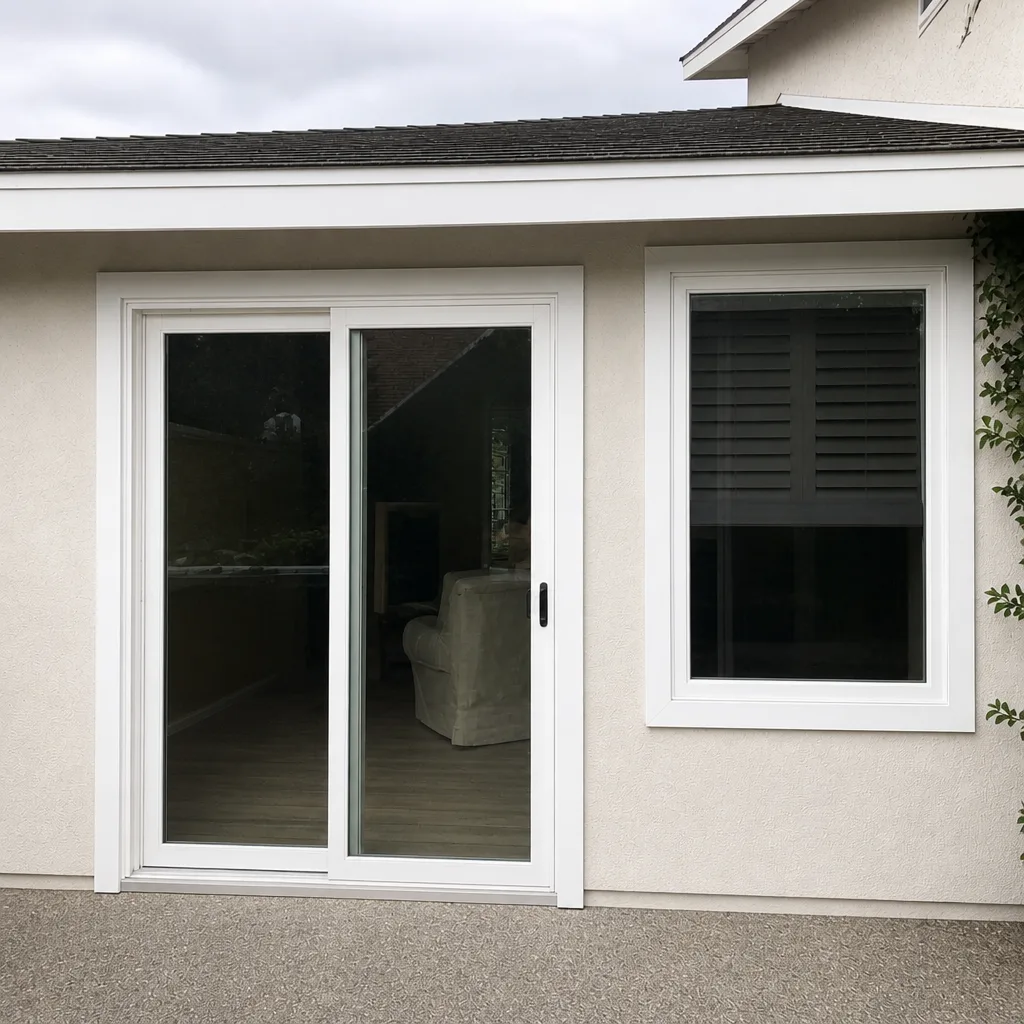 After
When to Call a Professional
Some window and door problems are worth a call even before you’ve decided to replace anything. Call us if your windows fog at the edges or between the panes, if the frame is visibly warped or the sash won’t close flush, if you can feel heat radiating off the glass on a summer afternoon, or if the sliding door has become hard to operate and no longer seals tight. Call if a smoke event left you with a house that smells like the outdoors, or if your energy bill has crept up year over year with no other explanation. Call if you’re planning exterior paint or stucco work and want to sequence the window replacement first. And call if your HOA has flagged your windows or door and you need product documentation to respond.
Window Replacement Folsom offers free estimates in Folsom. Call (279) 321-4976 and we’ll walk the house, check the exposures, and put the options in writing. The estimate is line-item and the written number is the final price.
Frequently Asked Questions
Aim for 0.23 to 0.28 on west-facing glass. West walls take the heaviest afternoon solar load in Folsom, and a lower SHGC is the single most effective way to cut that heat gain. Call (279) 321-4976 and we’ll spec the glass per orientation for your house.
Usually yes, if you’re changing color, grid pattern, frame profile, or exterior finish. Many Folsom subdivisions have architectural standards, and visible changes commonly need committee review. Get the approval before ordering. We supply the product documentation you’ll need for the submission.
Replace windows and doors first, then paint. The window installation works the rough opening and finishes the perimeter, and the painter can then finish right up to the new frame in a single pass. Reversing the order means paying twice for the same wall work.
Not on every lot. Impact-rated lines like PGT and CGI make sense on fully exposed ridge lots and high-sun walls; on interior lots sheltered by neighboring homes and trees, a well-spec’d vinyl unit from a reputable line is the smarter spend. A specialist matches the product to the exposure.
Cost depends on the number of openings, the product line, the glass package, and the frame material, which is why we quote per job instead of publishing a flat number. The written line-item estimate is free and sets the final price. Call (279) 321-4976 for yours.
No. We take replacement and installation projects of three openings or more. For a single window, a general handyman or a different specialist is the right call. For a real replacement project, call (279) 321-4976 and we’ll quote it in writing.
No. We work from a written line-item estimate, and that written number sets the final price. If the scope changes because of something we find during the assessment, we tell you before any work begins. Call (279) 321-4976 to schedule the estimate.
Yes. Most cities require a permit for window and door replacement, and we handle the permit on our projects. Ask your city’s building department what applies to your address if you want to confirm the requirement yourself before the estimate.
The Bottom Line
Folsom’s climate and housing stock set the rules for a window and door project, and those rules aren’t the ones in a generic buying guide. Solar heat gain beats heat loss as the number that matters. The right glass spec varies by which way the wall faces. HOA approval gates the whole schedule in many subdivisions, and it needs to come before the order, not after. Sequencing windows before paint and stucco saves real rework. And the right brand is the one that matches your lot’s exposure, not the one that wins the spec sheet on paper. Get those decisions right and the project performs for decades. Get them wrong and you’ll be back at the table sooner than you’d like. One specialist across windows, sliding doors, and entry doors is the simplest way to keep the whole thing on track.
Ready to price it? Call Window Replacement Folsom at (279) 321-4976 for a free estimate. Estimates are free, written line by line, and the written number is the final price. We’ll walk the house with you, check every exposure, and match the product to the problem.
Written by the team at Window Replacement Folsom.