Last updated November 25, 2026
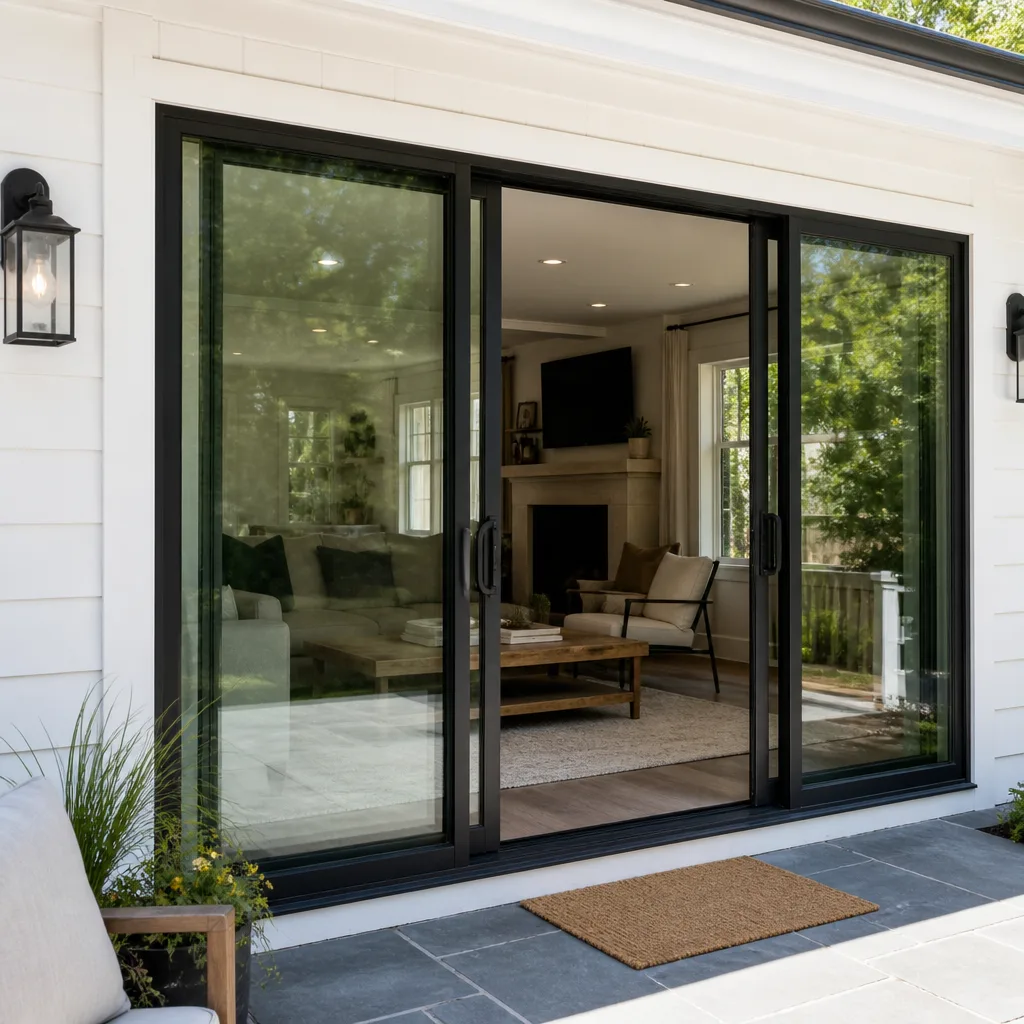 Sliding glass doors
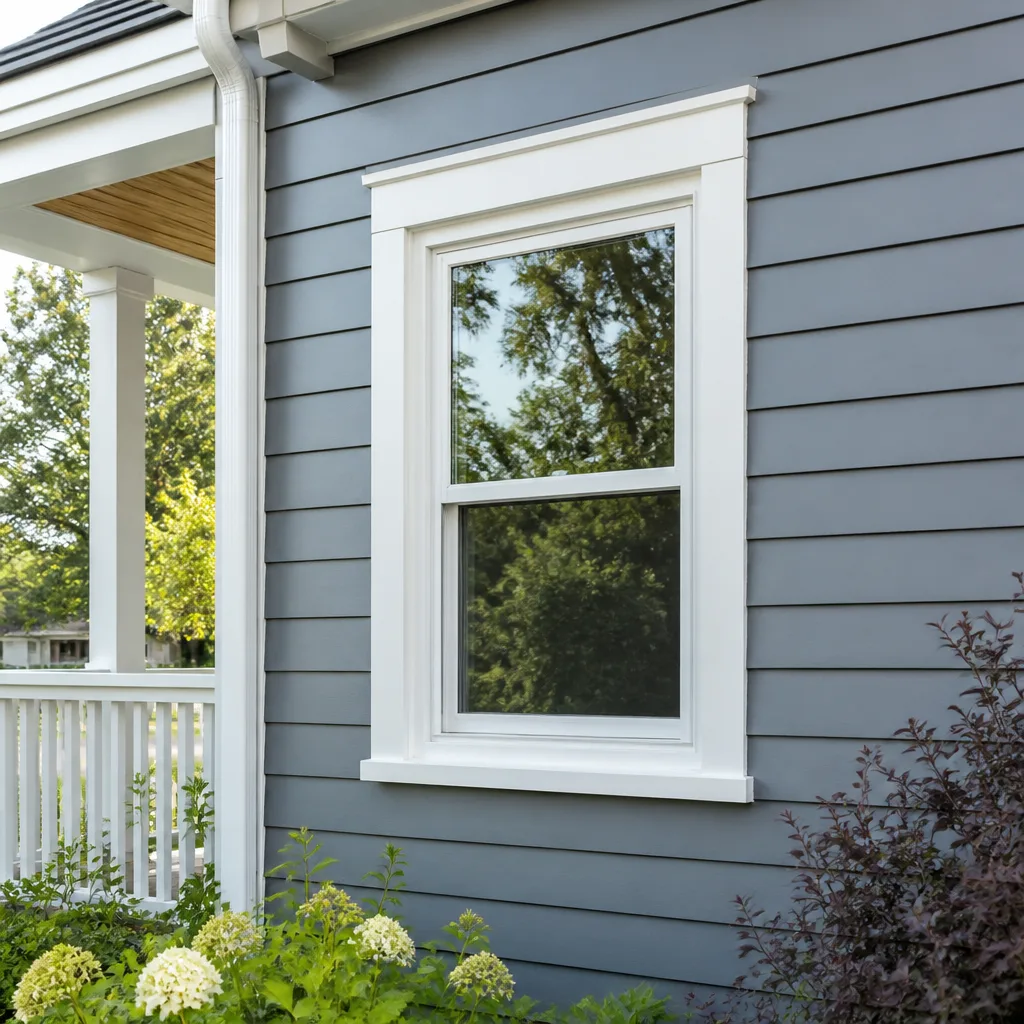 Single hung
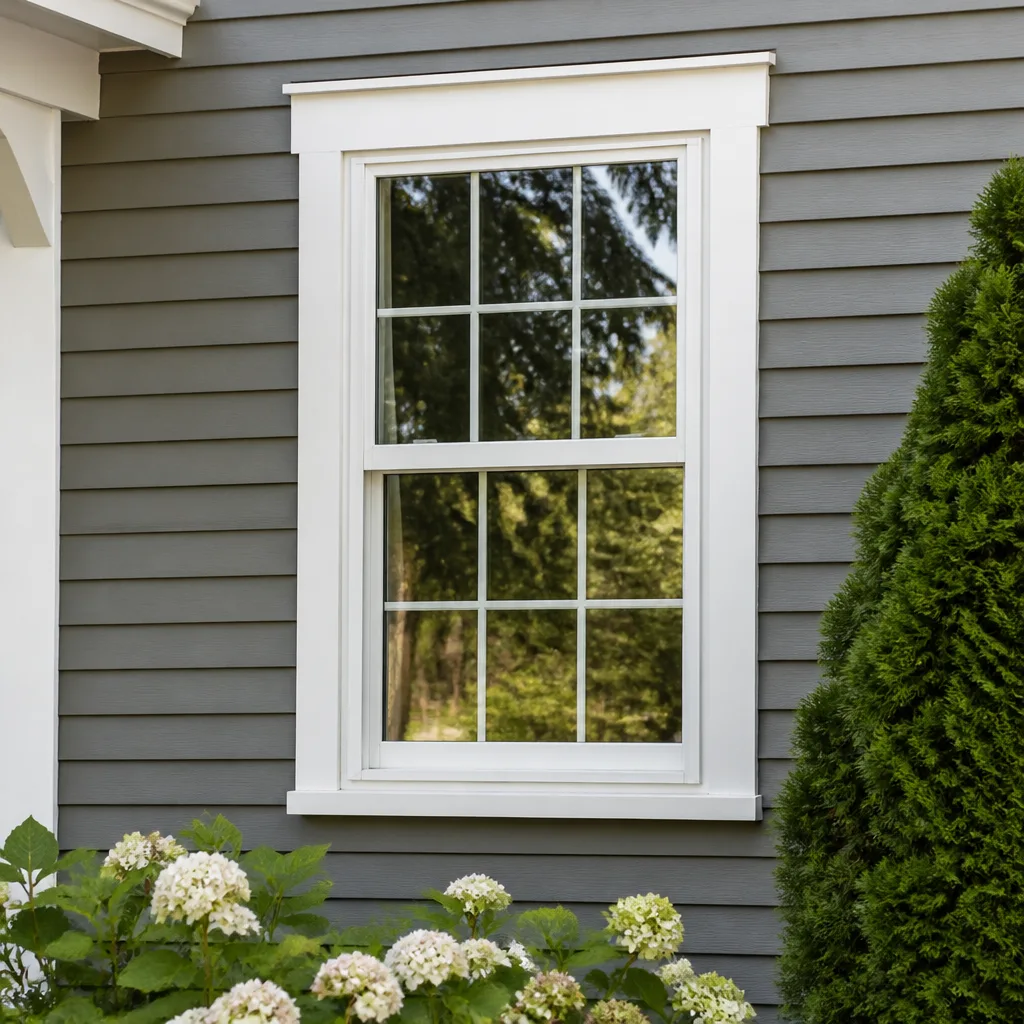 Double hung
 Horizontal roller
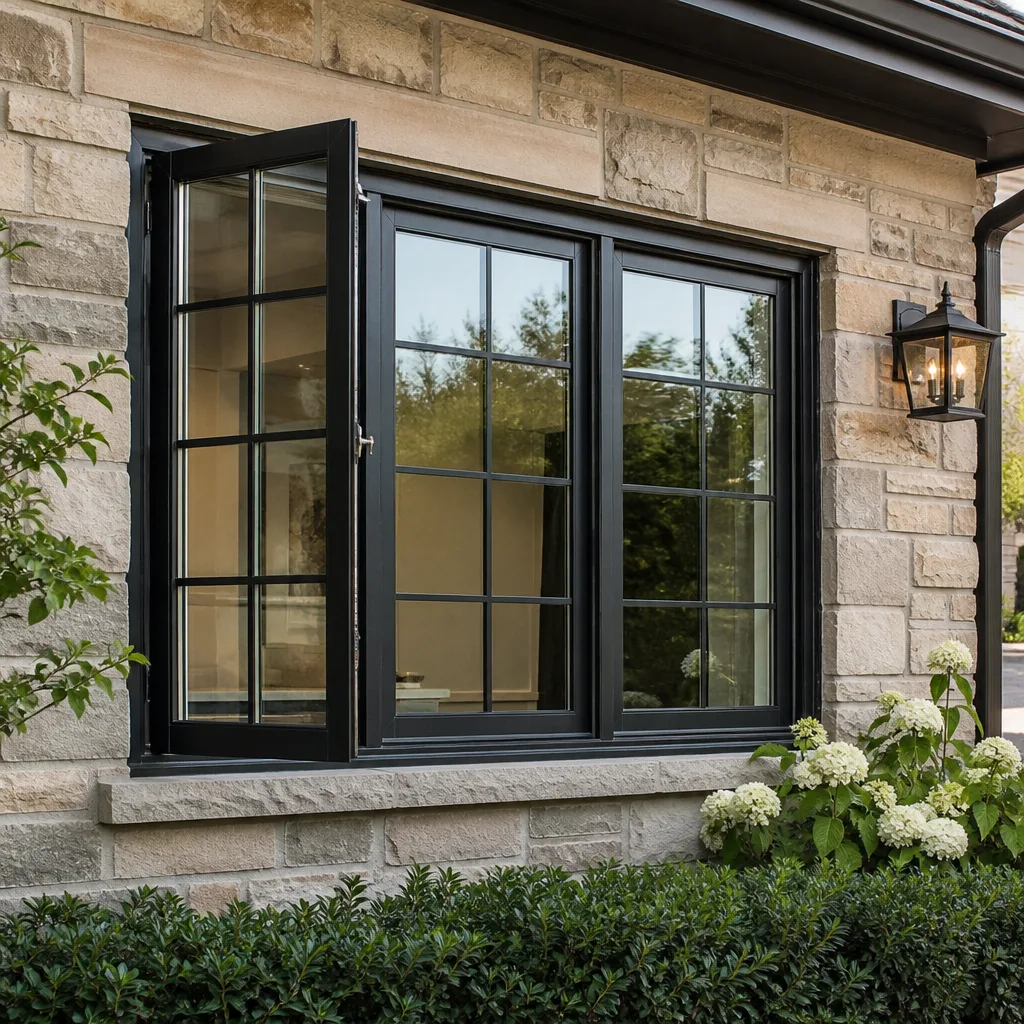 Casement
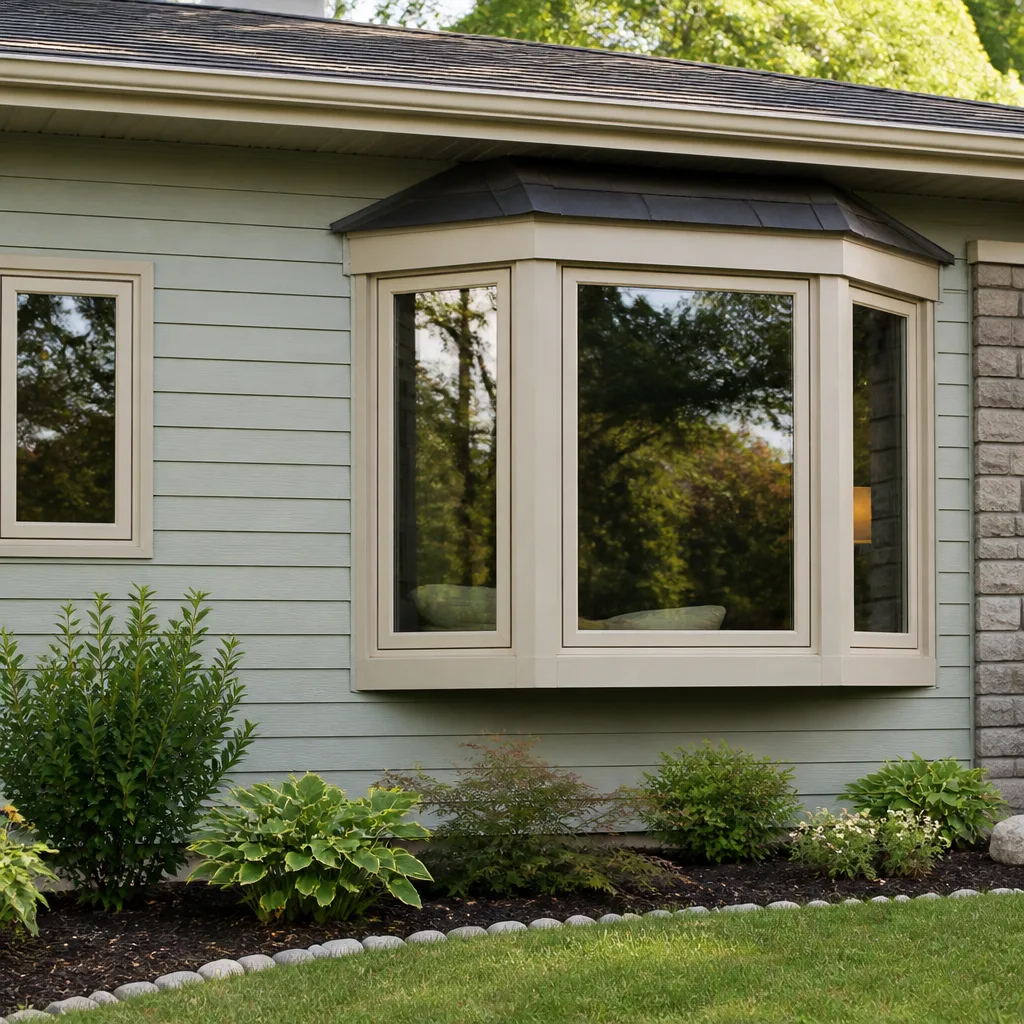 Bay & bow
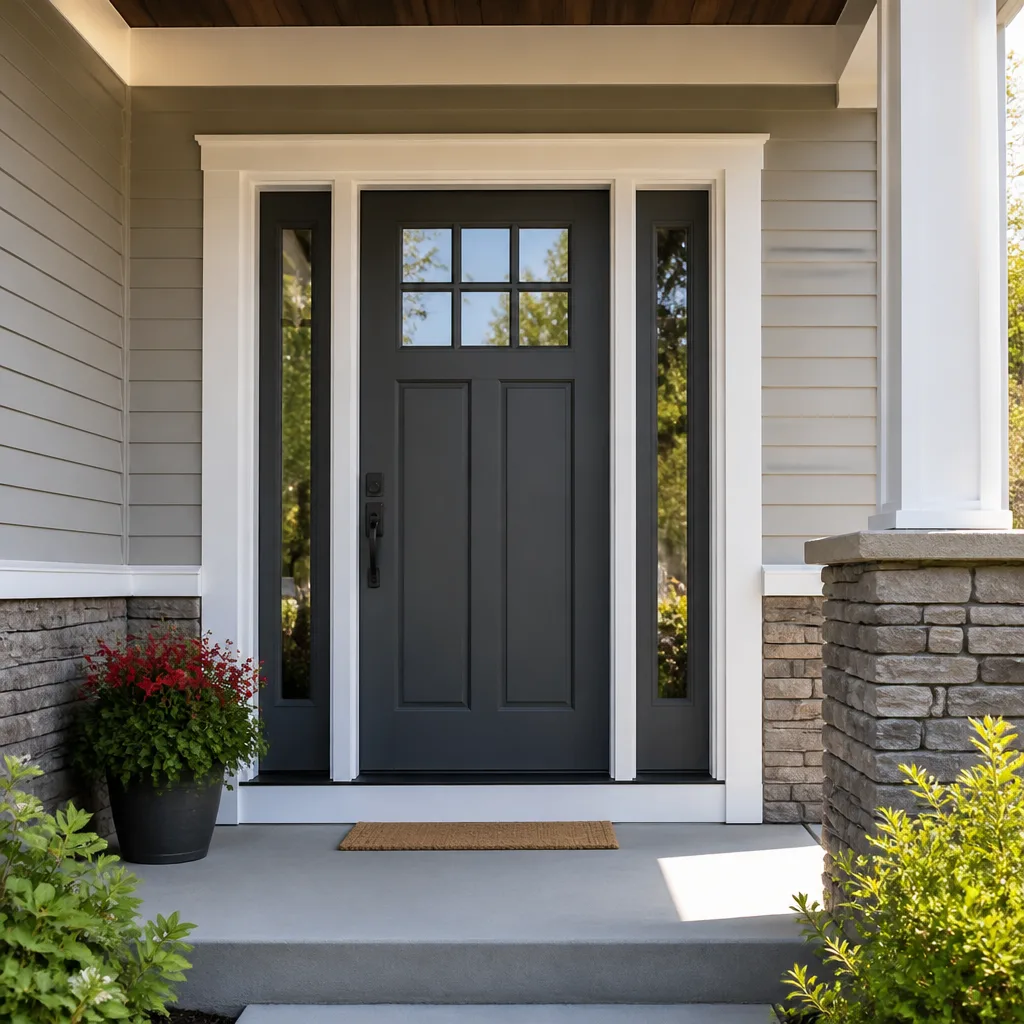 Entry doors
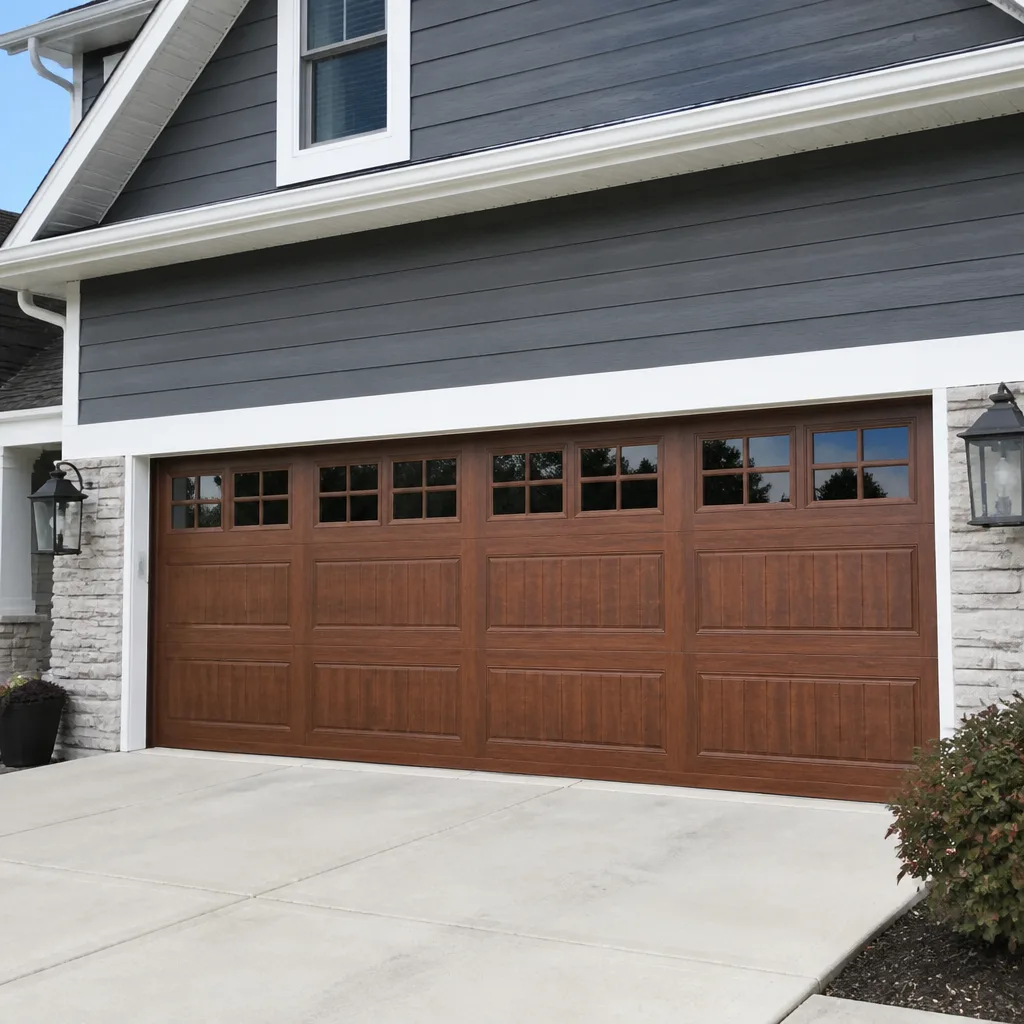 Impact garage doors
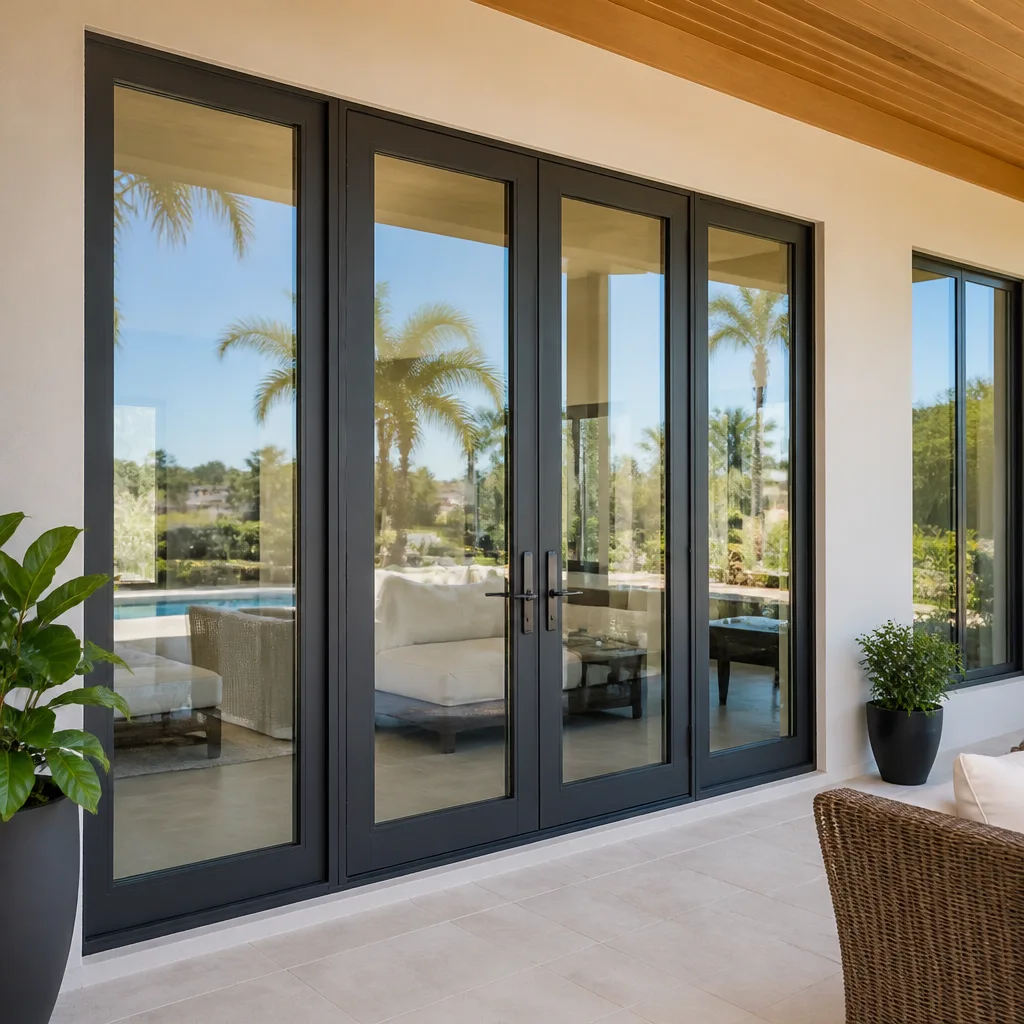 PGT
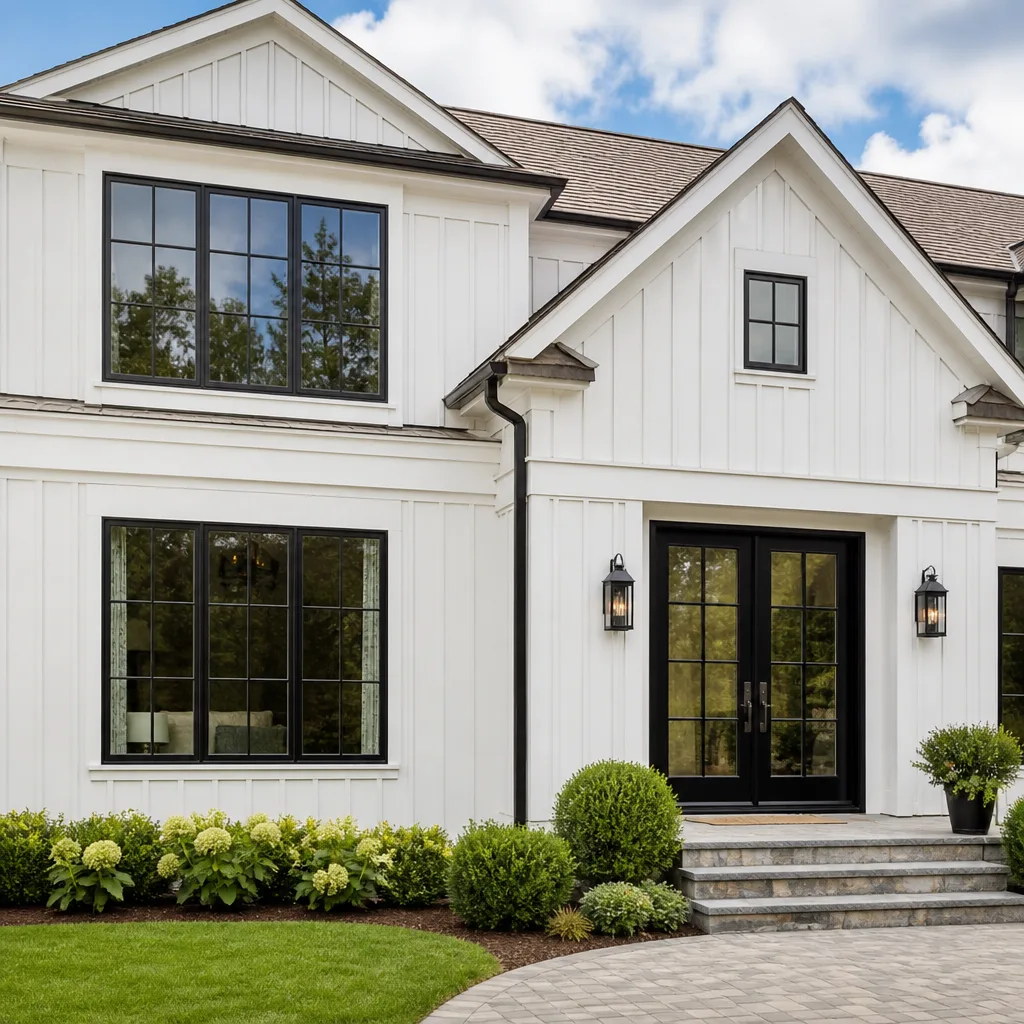 CGI
Free in-home measure and quote - PGT, CGI and CWS impact lines compared on your actual openings, style by style
Get your free estimateWindows & Doors Permits, Codes & Inspections in Folsom, CA: What You Need to Know
Most homeowners assume a window swap is paperwork-free. Pull the old unit, set the new one, caulk, done. That assumption is where projects in Folsom go sideways. A replacement that looks identical from the street can still require a building permit, and a unit with a worse U-factor than California’s current energy code minimum can flag your job at final inspection even when the opening never changed size. This guide walks through when a permit is actually required, how Title 24 applies to Folsom’s climate zone, what “like-for-like” means in legal terms, and the inspection sequence installers run into. If you’re planning Window Replacement Folsom work and want to know what the city will ask of you, start here.
Quick Answer
In Folsom, a window or door replacement generally requires a building permit when the opening size changes, the rough opening is modified, the unit does not meet current Title 24 U-factor and SHGC minimums, or the replacement affects egress. A true like-for-like swap of the same size opening with a compliant unit is often treated as exempt, but the only way to know for certain is to confirm with the City of Folsom Building Division before work starts. Plan your permit, HOA approval and product order as three parallel tracks, not three sequential ones.
Styles & brands we work with
- Single hung
- Double hung
- Horizontal roller
- Casement
- Bay & bow
- Sliding glass doors
- Entry doors
- Impact garage doors
- PGT
- CGI
Table of Contents
- When Does a Window Replacement Require a Permit in Folsom?
- Title 24 and Climate Zone 12: What Your New Windows Must Meet
- What “Like-for-Like” Actually Means
- The City of Folsom Inspection Sequence
- HOA Approval vs. City Permit: Two Separate Tracks
- Doors, Sliding Doors and the Same Rules
- Which Product Lines Clear Code Automatically
- Common Mistakes to Avoid
When Does a Window Replacement Require a Permit in Folsom?
A window replacement in Folsom requires a building permit when the work goes beyond a direct same-size swap using a code-compliant unit. The City of Folsom Building Division applies the California Building Code and local amendments. In practice, the dividing line comes down to four variables: opening size, rough opening modification, energy compliance, and egress.
Here’s how it usually breaks down:
- Same size, same operation, compliant unit: Often classified as exempt. Confirm with the Building Division before you order.
- Any change to the framed opening: Permit required. Enlarging, shrinking, or reframing means structural review.
- Operation change (picture window to slider, fixed to casement): Permit required in most cases because the rough opening and framing differ.
- Non-compliant U-factor or SHGC: Permit required, and the unit itself may fail review.
- Bedroom egress changes: Permit required. Egress is a life-safety issue and is checked closely.
- Door replacement: Entry doors and sliding doors follow the same logic, with sliding doors also triggering rough opening scrutiny because the wall penetration is larger.
In our experience, the most common source of confusion in Folsom comes from homeowners comparing notes. A neighbor’s window replacement that required no permit isn’t proof yours won’t. Their opening matched, their unit met code, and their job didn’t change egress. Yours might. The variables decide, not the category.
One note on decision sequence: call the Building Division early. A five-minute phone call before ordering product saves weeks of rework when a permit is in fact required.
Title 24 and Climate Zone 12: What Your New Windows Must Meet
Folsom sits in Climate Zone 12 under California’s Title 24 energy code. Every replacement window and door installation in Folsom must meet the 2022 Title 24 energy efficiency minimums for that zone. A unit that fails the U-factor or SHGC minimums cannot pass review, regardless of how nice it looks or how well it matches the existing trim.
What you need to know:
- U-factor: Measures heat flow through the whole assembly. Lower is better. Zone 12 has specific maximums your unit must meet.
- SHGC (Solar Heat Gain Coefficient): Measures how much solar heat enters through the glass. In a hot-inland zone like Folsom, this matters in summer.
- Certification: The unit must be certified and labeled with NFRC-rated values. Physical labels on the unit are the record.
- Prescriptive vs. performance: Prescriptive compliance (meeting each element individually) is the simpler path for a straight replacement. Performance compliance (whole-building modeling) is more relevant to remodels and additions.
The counterintuitive part: a cosmetic swap using a discounted unit that carries an older rating can fail. Even if the homeowner never asked for a change in performance, the code requires the new unit to meet current minimums. That’s why product selection and code review belong together, not in separate conversations.
If you’re looking at window replacement and want to avoid a compliance flag, the safest path is to specify products whose NFRC ratings are documented and current. ES Windows and ECO Window Systems both engineer their lines around energy performance, which is worth considering if Title 24 compliance is your primary concern. We’ve found that starting the selection process with the code minimum in hand is far less expensive than retrofitting around it later.
What “Like-for-Like” Actually Means
“Like-for-like” is a phrase that means something narrower than most homeowners think. Legally, it refers to a replacement that matches the existing unit in size, operation and glazing performance, installed into the existing framed opening without modification.
The variables that change permit status:
- Opening size tolerance: A difference of a fraction of an inch typically stays within tolerance. A change large enough to require a new head or sill, or a change to the framed rough opening, crosses into permit territory.
- Rough opening modification: Any cutting, adding framing, or shifting the wall opening requires a permit. Even a quarter-inch enlargement usually qualifies.
- Egress changes: Bedroom windows must meet minimum clear opening dimensions. If the existing opening barely met egress and the new unit reduces the clear opening by even a small amount, the job is no longer like-for-like.
- Glazing performance: A new unit that carries a lower U-factor or SHGC than the original doesn’t count as like-for-like for Title 24 purposes, even if the frame matches.
- Operation: Replacing a fixed unit with an operable one, or the reverse, changes the classification.
If you’re doing window installation on a home with older construction, expect the framed opening to shift once the old unit comes out. That’s normal, and it’s also one of the reasons “same size” on paper and “same size” in the wall often diverge once demolition starts. A professional measure before the order is the check on that.
The City of Folsom Inspection Sequence
When a permit is required, the City of Folsom inspection sequence generally runs through three checkpoints. Each one exists because it looks at something the next stage hides.
- Rough framing inspection. The inspector checks the framed opening, the structural support, flashing integration with the wall assembly, and rough-in elements before the unit is set or after the unit is in but before interior finishing. Flashing details get attention because they’re hard to verify once siding and trim are back on.
- Insulation and sealing inspection. Verifies the insulation around the new unit, air sealing at gaps, and any required weather-resistive barrier continuity.
- Final inspection. Confirms the installed unit matches the permitted specs (size, operation, NFRC rating), that all penetrations are sealed, that the unit operates correctly, and that egress requirements are met where applicable.
What installers commonly miss at the final inspection:
- Product labels. The NFRC sticker must be on the unit or contained in the paperwork. Remove it before final, and you have a delay.
- Mismatched product. The unit that arrives on-site doesn’t match the unit specified on the permit. Even a manufacturer substitution with a better U-factor can trigger review if the paperwork isn’t updated.
- Flashing. Non-compliant flashing detail at the sill or head, common when the installer comes from a handyman background rather than a window-specific trade.
- Egress obstruction. Interior trim or furniture installation after rough framing reduces the clear egress opening. The final inspector measures.
- Sliding door track. On door replacement, the threshold detail and track alignment get scrutiny because they affect weather-tightness and use.
Re-inspection fees apply when the same issue triggers a second visit. Booking the right sequence on the front end and having the paperwork in hand at each stage keeps the visit count to the schedule.
HOA Approval vs. City Permit: Two Separate Tracks
Folsom has a wide range of housing stock, from established neighborhoods where many homes carry HOA rules to newer areas with architectural review committees. HOA approval and city permit are two completely separate processes, run by different organizations, reviewing different criteria on different timelines.
Here’s the practical distinction:
- City permit reviews: Life safety, structural adequacy, energy code compliance, egress.
- HOA approval reviews: Aesthetic conformity. Color, mullion pattern, grille style, exterior trim, sightlines from the street.
- Timelines: Both run concurrently if you start them together. HOA review can take several weeks depending on the board’s meeting schedule. The city’s permit timeline is often shorter but varies with workload.
- Required inputs: HOA submissions usually need product spec sheets, exterior elevation drawings, and confirmation of color. City permit submissions need NFRC rating documentation and installation details.
The coordination failure we see most often: homeowners start the HOA application, wait for approval, then start the permit. That runs the two timelines back to back instead of in parallel, and adds weeks. The other failure: ordering product before either approval is in hand, then discovering the HOA requires a different grille pattern that changes the SKU and, potentially, the NFRC rating.
Run the three tracks at the same time:
- Confirm permit requirements with the City of Folsom Building Division.
- Submit to the HOA with full product specs, not marketing photos.
- Place the product order only after both are cleared, or hold the order with the ability to change the spec without a restocking cost.
Doors, Sliding Doors and the Same Rules
Entry doors and sliding doors fall under the same framework: permit when the opening changes, when the unit doesn’t meet Title 24, or when egress is affected. But there are door-specific wrinkles worth knowing in Folsom.
- Sliding door replacements often change the rough opening even when the visible size is close. The track, threshold and frame depth are different from a standard window, and inspectors treat the wall penetration as structural.
- Entry door replacements involve sidelites, transoms and hardware. A like-for-like entry door swap using the same rough opening is often exempt, but if the unit includes new sidelites or a different width, plan for a permit.
- Title 24 applies to doors too. Glazed doors, sliding doors and doors with glass panels all carry U-factor and SHGC requirements. Solid entry doors are still checked for the whole-assembly thermal performance where glazing exists.
- Egress doesn’t change for entry doors in the way it does for bedroom windows, but sliding doors in bedrooms or egress paths are subject to the same clear-opening measurement.
Entry door systems like Therma-Tru carry documented performance specs, which simplifies the compliance conversation. Sliding doors from PGT and CGI carry impact and performance documentation that inspectors can verify against the permit. If you’re attempting door replacement in Folsom, the spec sheet is part of the job, not an afterthought.
Which Product Lines Clear Code Automatically
Not all replacement windows and doors are created equal for compliance purposes. A brand portfolio with documented performance ratings makes the permit path simpler. That’s the practical reason we work with eight distinct brands rather than two or three.
Grouped by what they’re engineered for:
- Impact-rated: PGT, CGI, CWS. Engineered to meet strict wind and impact standards, with specs that are already documented for permit review.
- Energy-efficient: ES Windows, ECO Window Systems. Purpose-built for Title 24 compliance with strong U-factor and SHGC performance.
- Glass-specialty: Mr-Glass, ViewLux. Useful when the design calls for specialty glazing or an unusual configuration.
- Premium entry doors: Therma-Tru. Recognized benchmark for insulation and long-term durability in entry door assemblies.
For Folsom, Climate Zone 12 compliance almost always comes down to U-factor and SHGC. Any of the energy-focused lines get there. If the home is in a neighborhood that sees occasional wind events, impact-rated PGT or CGI may also carry value on the resale side. The right answer depends on the specific home, the specific wall, and what the homeowner is optimizing for. We treat brand selection as a consulting conversation, not a product pitch.
Common Mistakes to Avoid
- Assuming a “small” job is permit-free. Adding three inches to a window opening crosses the line even when it looks trivial. Confirm with the Building Division first.
- Ordering product before checking code minimums. A unit that carries an older or worse NFRC rating can fail at final inspection, and by then it’s already installed.
- Running HOA approval and city permit sequentially. They’re separate processes with separate timelines. Stagger them and the project stretches by weeks.
- Removing NFRC labels before final inspection. The label is the record. Keep it on until the inspector has signed off.
- Overlooking egress when replacing a bedroom window. A smaller clear opening in a new unit can violate egress even when the frame dimension matches.
- Hiring a generalist contractor for a window-specific code issue. Title 24 details and inspection sequencing come from window-and-door daily practice, not occasional exposure.
- Hiring an installer without documented brand authorization. An unauthorized installer may not have access to the product spec sheets the permit review requires.
See the difference
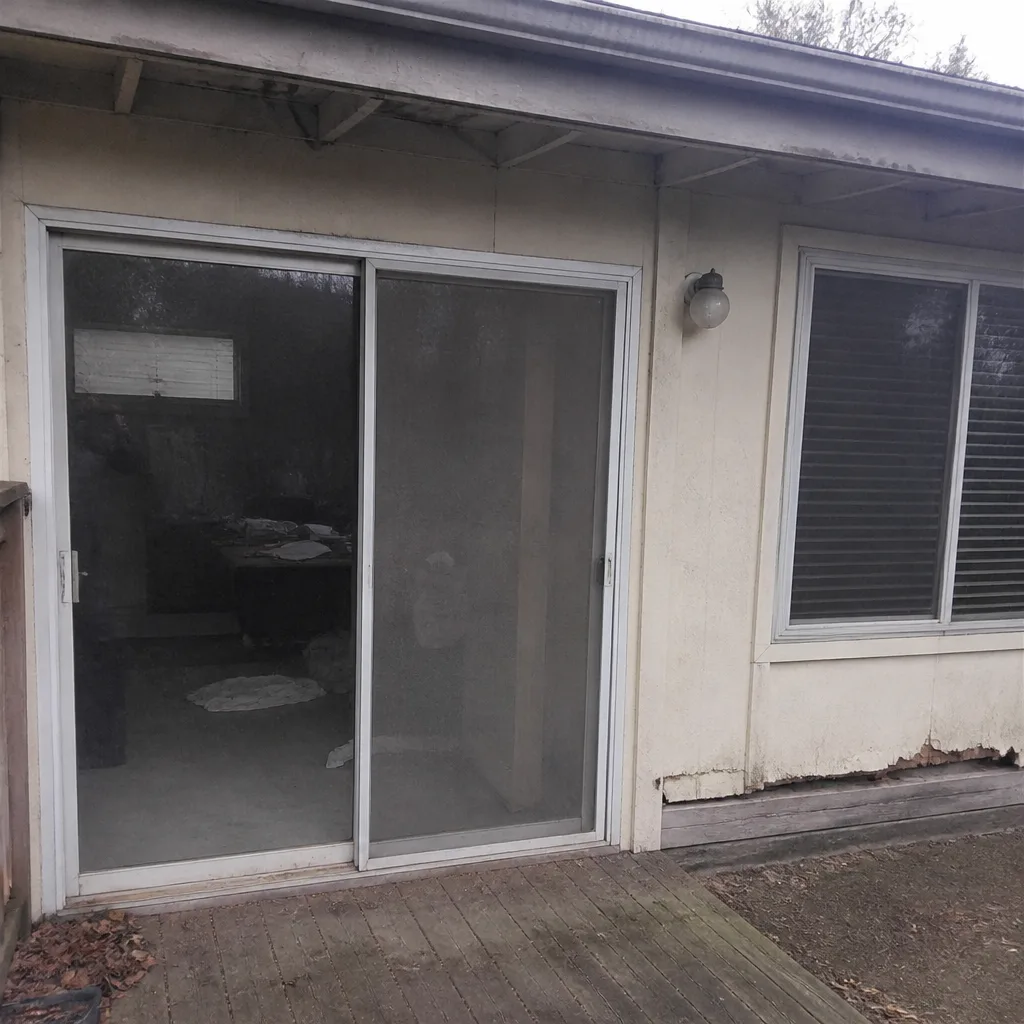 Before
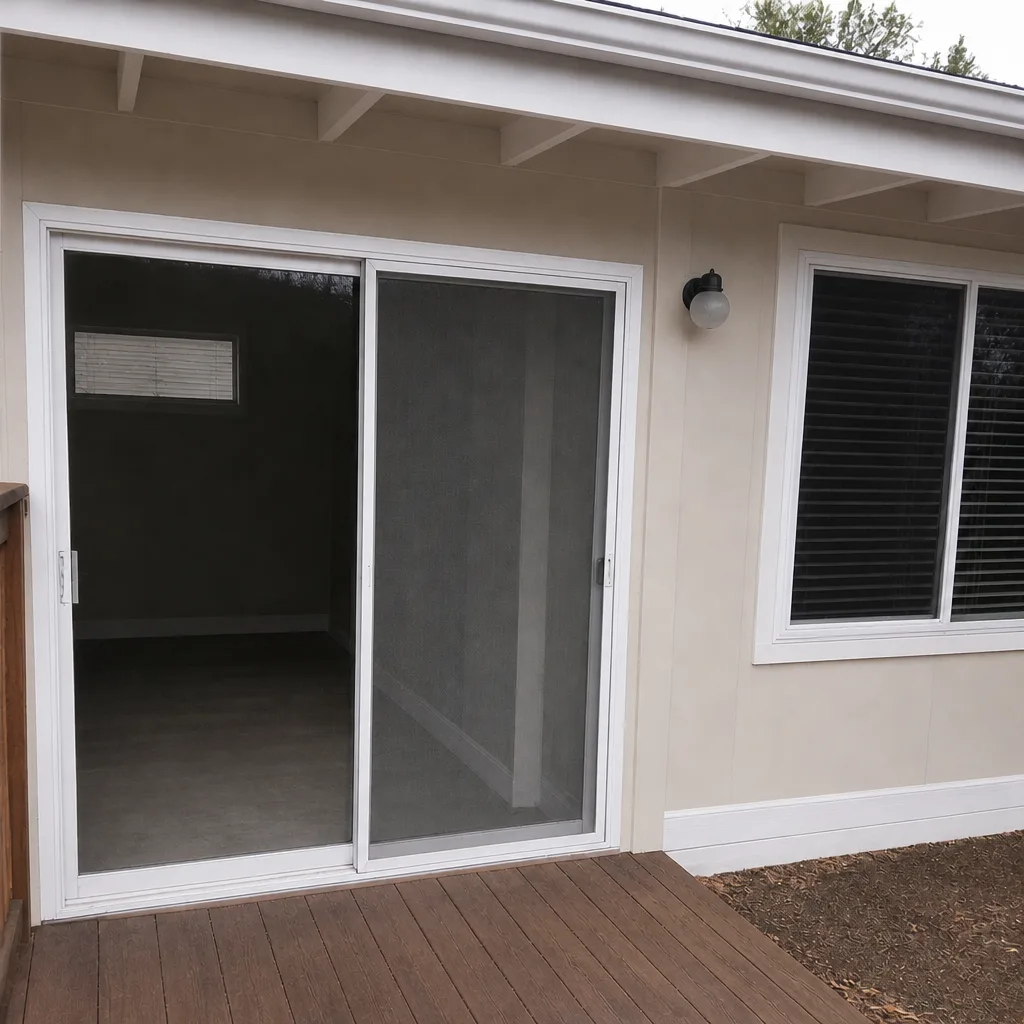 After
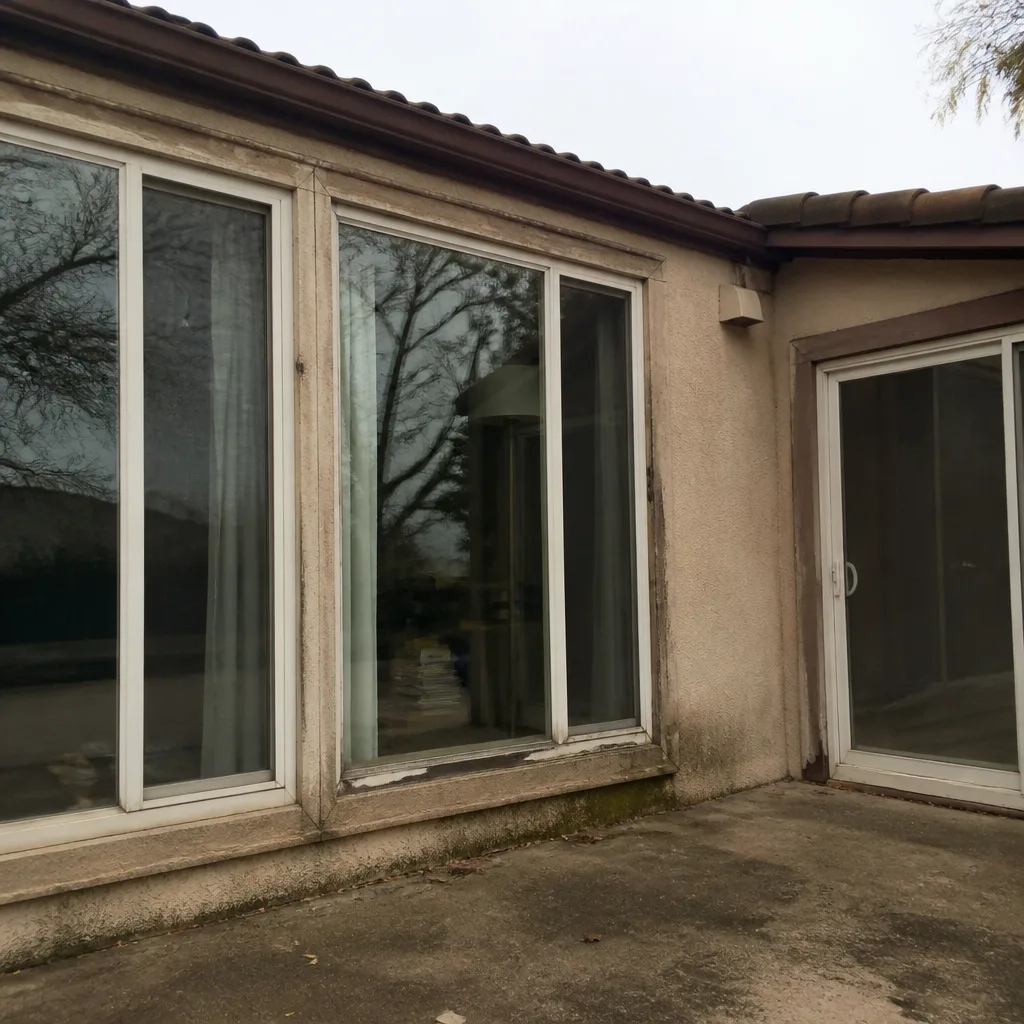 Before
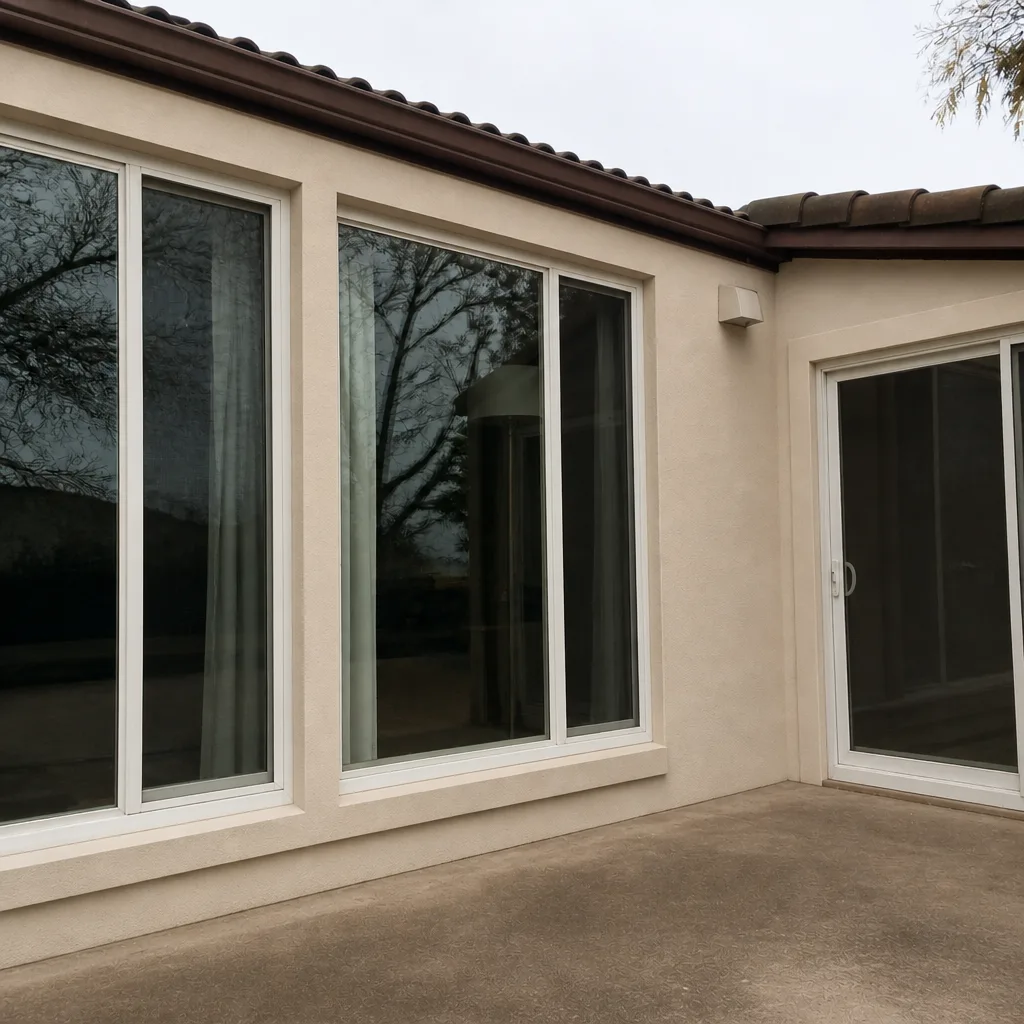 After
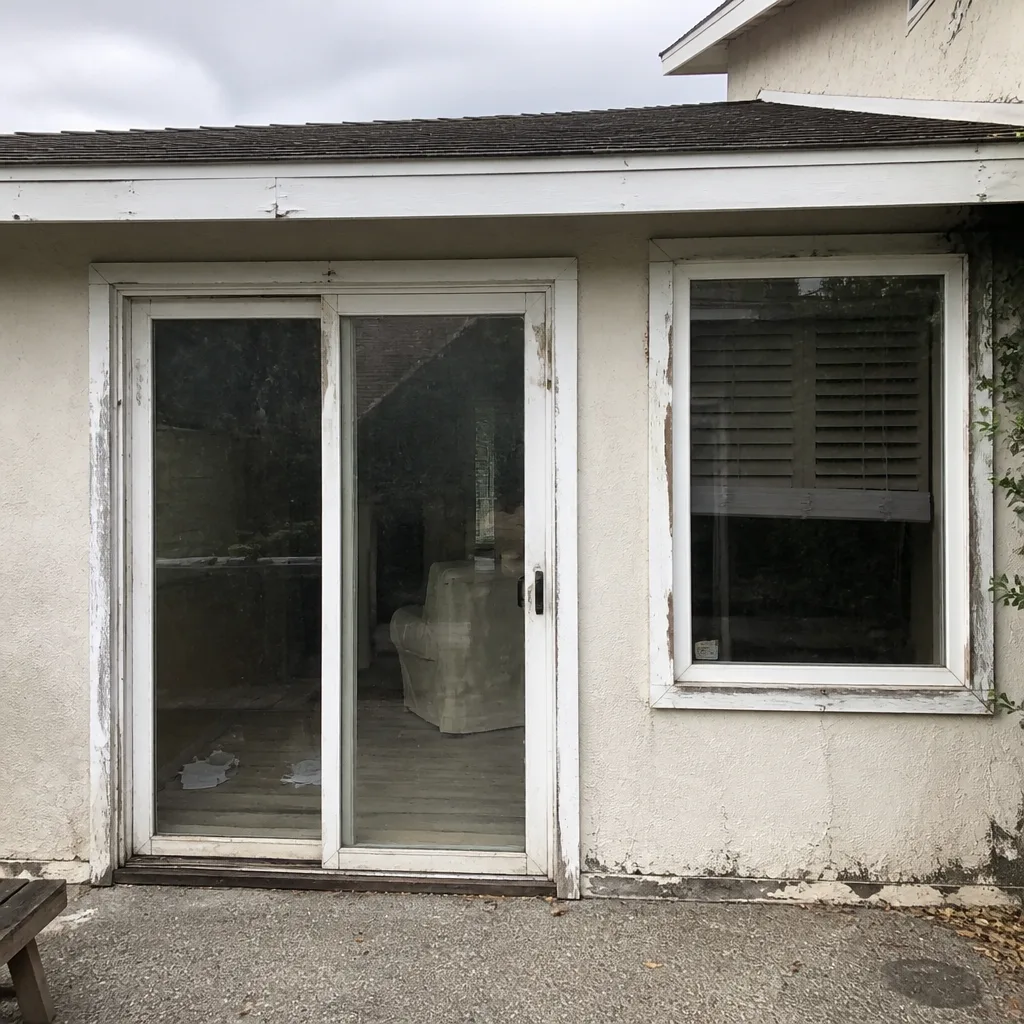 Before
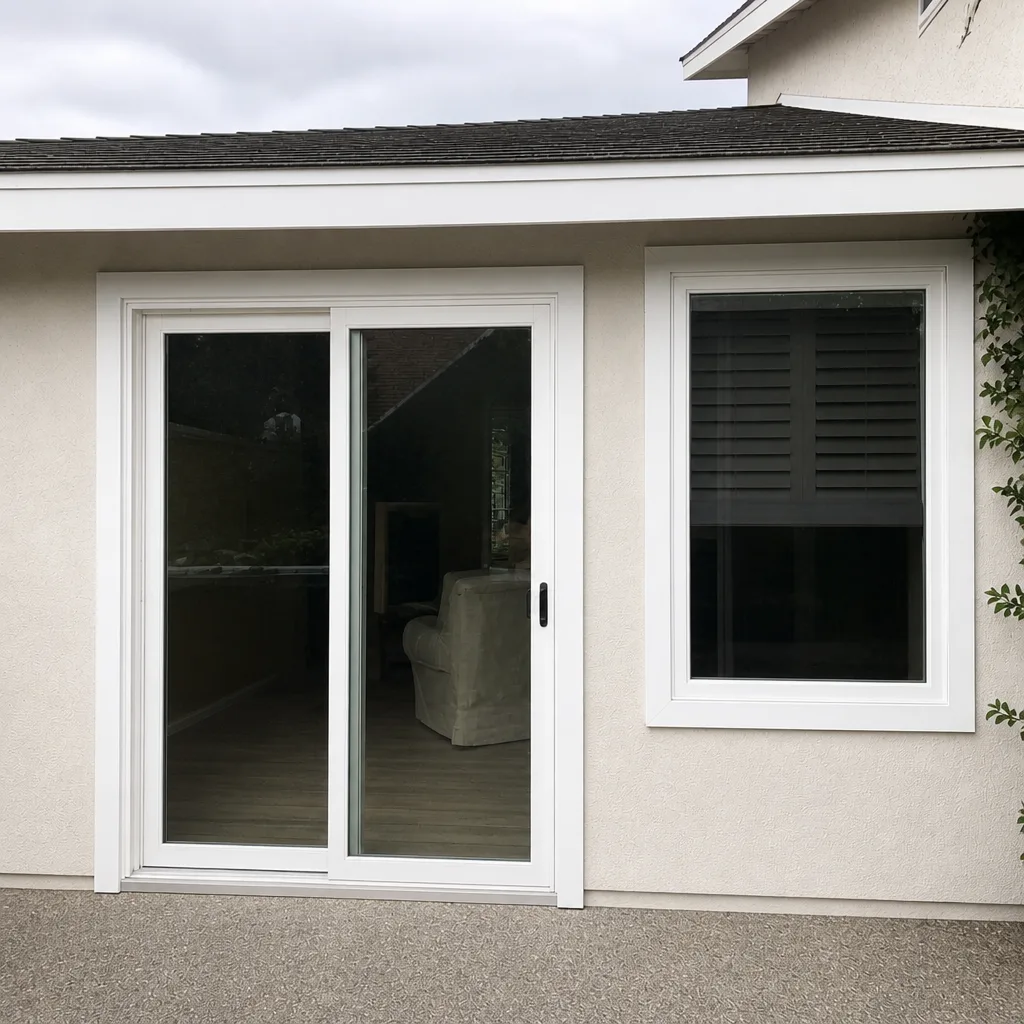 After
When to Call a Professional
There are specific scenarios where a DIY or handyman approach fails against Folsom’s permit and code requirements. If your home was built before the current Title 24 cycle, the original windows likely don’t meet current standards, which means a replacement is a compliance question, not just a swap. If your opening size is different from the standard catalog, the job requires a custom product and code review. If you’re in an HOA, the approval sequence alone can stall a project for weeks without accurate specs. And if the work involves sliding doors or entry doors, the structural and thermal review is heavier than most homeowners expect.
Window Replacement Folsom offers free estimates in Folsom and can walk through the permit question with you before you order a single window. We work with eight brands, all with documented specs, and our technicians have up to 8 years of experience on window and door work specifically. Call (279) 321-4976 to schedule your free estimate.
Frequently Asked Questions
It depends on the specifics. A true like-for-like replacement using a compliant unit and the original opening size is often exempt, but any change to the rough opening, the operation, the glazing performance or the egress clear opening triggers a permit. Confirm with the City of Folsom Building Division before work starts. Call (279) 321-4976 for a free estimate that includes a permit review of your specific project.
New windows must meet the 2022 Title 24 U-factor and SHGC minimums for Climate Zone 12, and the unit must carry NFRC certification labels. Prescriptive compliance is the standard path for straight replacement work. Products from ES Windows and ECO Window Systems are engineered to meet these minimums. Call (279) 321-4976 for an exact calculation based on your home and the units you’re considering.
Permit timelines vary with workload, and like-for-like exempt jobs skip the permit queue entirely. Jobs that require a permit move through rough framing, insulation and final inspection stages after the initial review. If you start the HOA approval process in parallel, you’re not adding the HOA timeline on top of the city timeline. Call (279) 321-4976 to talk through timing for your specific project.
They are separate processes and both can apply. The city reviews code compliance and safety. The HOA reviews aesthetics like color, grilles and sightlines. Neither substitutes for the other, and HOA approval can take weeks depending on the board’s meeting schedule. Call (279) 321-4976 for a free estimate and we’ll help you map both tracks.
The most common causes are missing NFRC labels, a unit that doesn’t match the permitted specs, non-compliant flashing details, and interior trim that reduces the clear egress opening on bedroom windows. Re-inspection fees apply when a second visit is triggered by the same issue. A pre-inspection checklist from the installer prevents most of these. Call (279) 321-4976 to schedule your free estimate.
Yes. Sliding door replacements often change the rough opening enough to trigger a permit because the wall penetration is structural, and entry door replacements follow the same Title 24 glazing and egress logic as windows. Both require NFRC-documented products. Door replacement is a dedicated service for us, and we handle the permit scope on both. Call (279) 321-4976 for a free estimate.
The Bottom Line
A window replacement in Folsom is a code question as much as a construction question. The permit threshold depends on four things: opening size, rough opening modification, Title 24 energy compliance for Climate Zone 12, and egress. Like-for-like is narrower than it sounds, and a cosmetic swap using a unit that fails the U-factor or SHGC minimum still triggers review. Run your permit, HOA approval and product order on parallel timelines, not sequential ones. Keep NFRC labels on until final inspection signs off. And match the product to the problem, not to the price sheet. The right brand for a Folsom home is the one whose documented performance clears code and fits the opening without modification.
Call (279) 321-4976 to schedule your free estimate. We’ll review your permit exposure, your code requirements and your product options in a single visit.
Written by the team at Window Replacement Folsom.